
Description
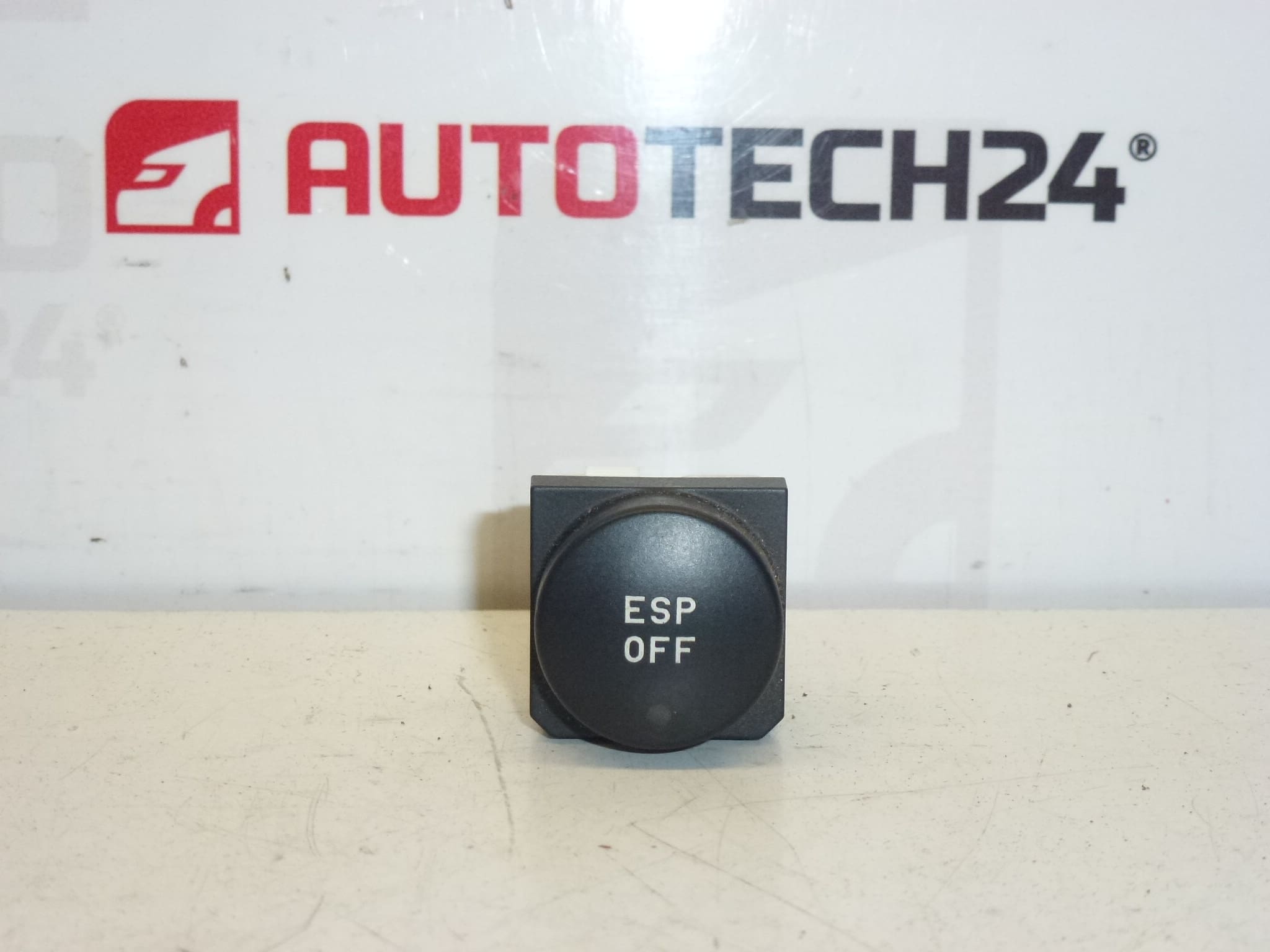
ESP Switch for Citroën Xsara Picasso
This genuine-style ESP switch is designed for Citroën Xsara Picasso models and is a direct-fit replacement for the dashboard control that activates or deactivates the Electronic Stability Program (ESP). Ideal for professional workshops and experienced DIY mechanics, the unit restores reliable driver control of the ESP system, improves safety, and maintains original ergonomics and appearance. Common search terms: ESP switch Citroën, ESP button Xsara Picasso, part number 9643213977, 454912.
Technical Information
Manufacturer: Stellantis / Citroën
Model: Citroën Xsara Picasso
Product Codes: 9643213977, 454912
Additional Numbers: NFP
Function
The switch provides the driver interface to the vehicle’s Electronic Stability Program system. When operated it sends an electrical signal to the ESP/ABS controller to enable or disable intervention. The switch itself contains mechanical contacts and a connector to the vehicle wiring harness; it does not perform the stability calculations, which remain the responsibility of the ESP control unit.
Compatibility And Fitment
Designed to fit Citroën Xsara Picasso dashboards that use the original-style ESP button with the above part numbers. Fitment is typically plug-and-play when replacing an identical switch type; however, always confirm the physical connector and mounting arrangement before installation.
Replacement Procedure
- Disconnect the vehicle battery before starting to avoid short circuits and to prevent unintended airbag or electronic faults.
- Carefully remove the surrounding trim panels to access the switch—use plastic trim tools to avoid damage.
- Unscrew or unclip the switch assembly and disconnect the wiring harness connector.
- Install the replacement switch, reconnect the harness and reassemble trim panels.
- Reconnect the battery and check switch operation and ESP system status via the dashboard indicators. If the ESP warning lamp stays on, diagnose the ESP/ABS system for related faults.
Installation Recommendation
Recommended for installation by a qualified mechanic or an experienced DIY technician. Always disconnect the battery before removal and follow manufacturer procedures to avoid damage to electrical systems. After replacement, verify correct operation of the switch and monitor the ESP/ABS warning lights. If fault codes persist, proceed with fault diagnosis using a diagnostic tool capable of reading ABS/ESP modules.
Why The Part Commonly Fails
Failing switches are most commonly caused by wear of internal contacts, moisture ingress leading to corrosion, broken actuator or housing from repeated use, or intermittent wiring/connector issues. Mechanical wear and age-related degradation are typical on older vehicles and in cars exposed to humid environments.
Notes For Professionals
When replacing electrical controls, check the wiring and connector pins for corrosion or damage and ensure secure grounding. If the ESP system exhibits persistent faults after replacing the switch, inspect the ABS/ESP control unit and associated sensors (wheel speed sensors, yaw rate sensor) as part of a full diagnostic routine.