Description
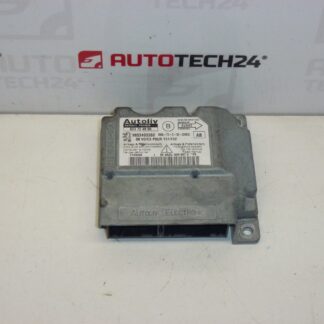
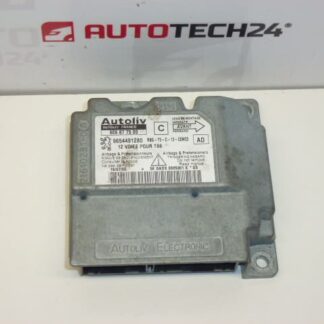
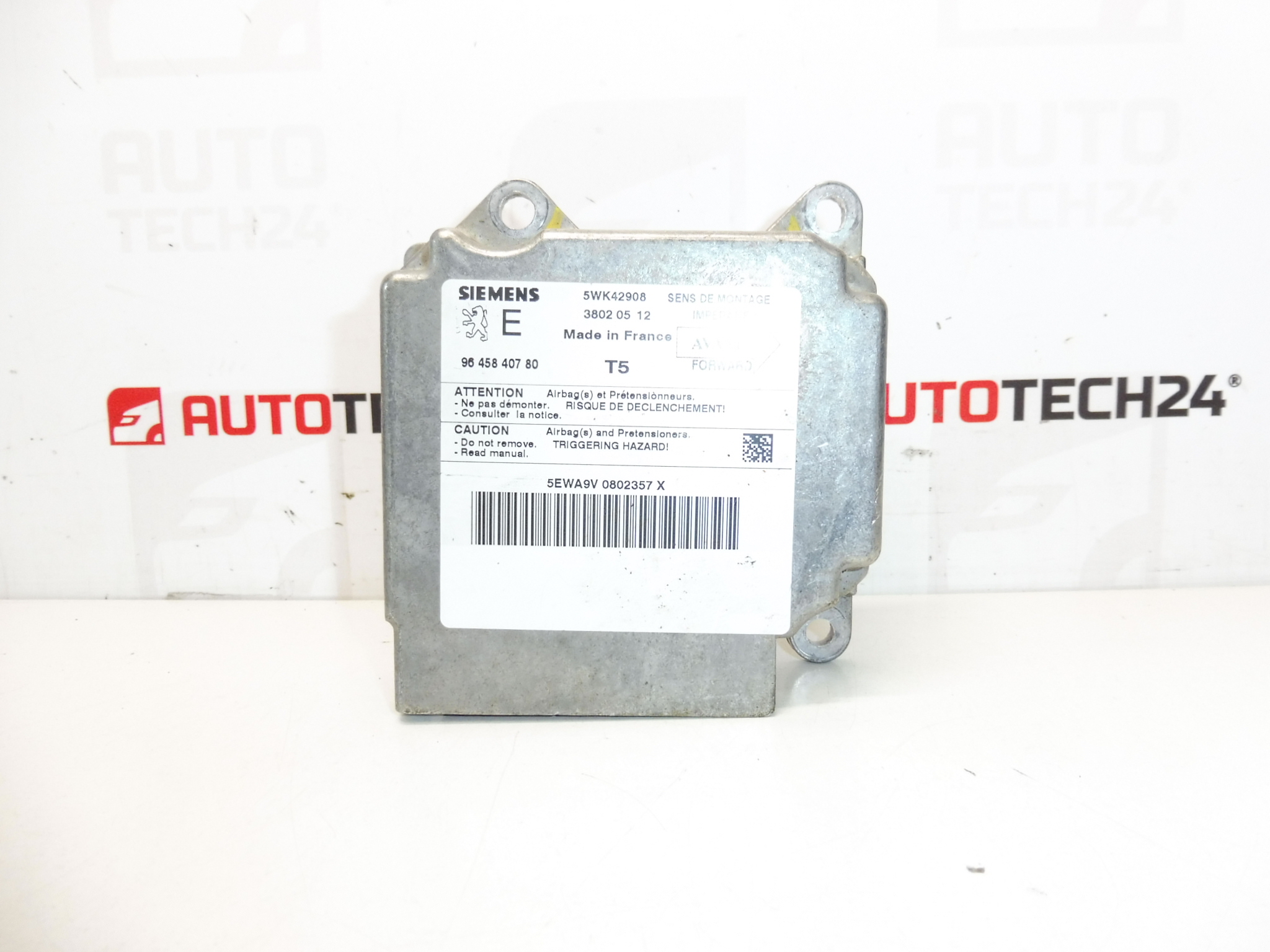
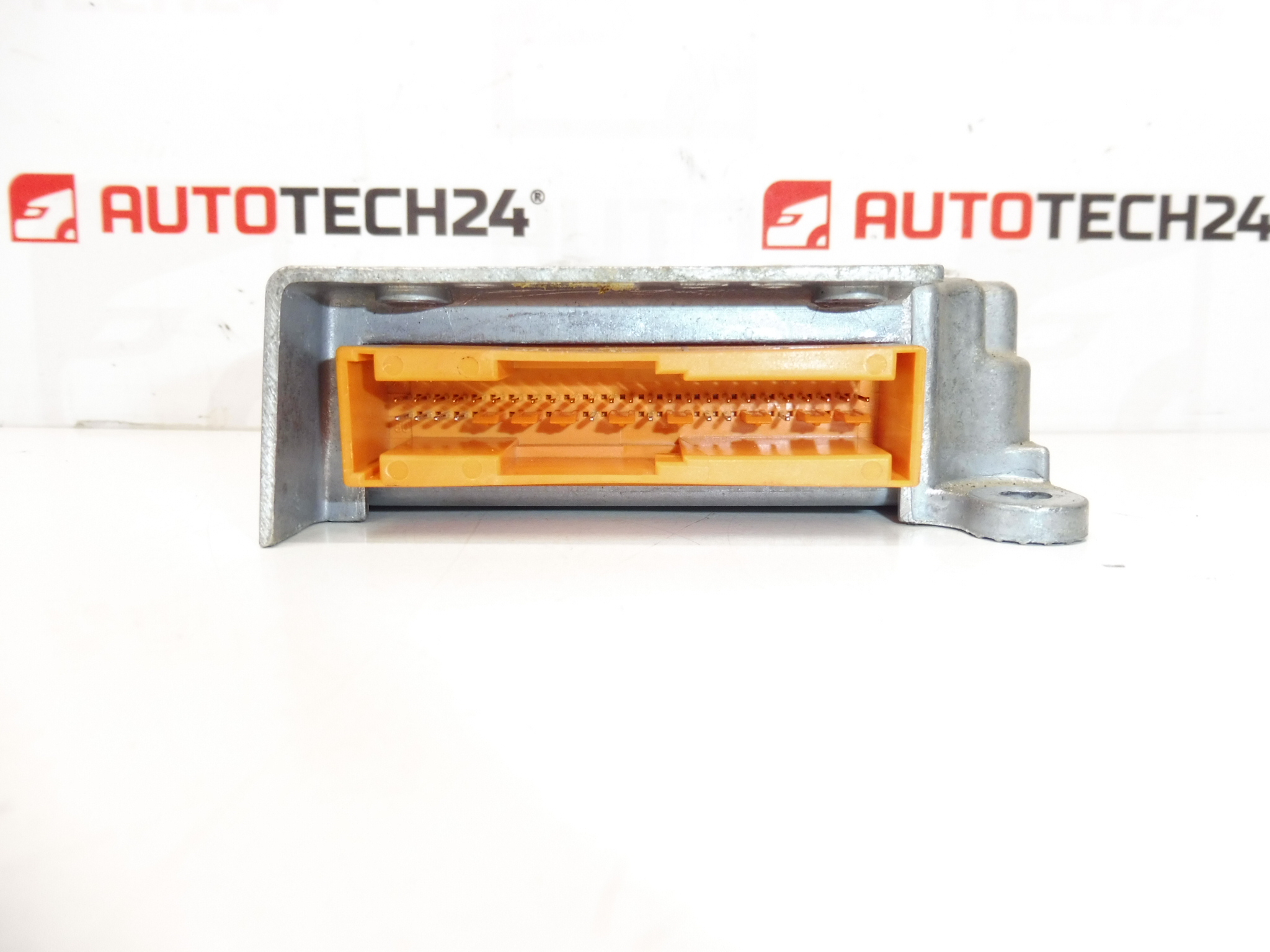
Airbag control unit for Peugeot 307 vehicles up to 2004.
Product Overview
This airbag control unit (SRS module) is designed for Peugeot 307 first-generation models produced up to 2004. The unit monitors the vehicle’s crash sensors and controls airbag deployment, seatbelt pretensioners and related restraint system diagnostics. It is a direct replacement part often sought by mechanics and DIY enthusiasts using original part numbers (see Technical Information).
Compatibility And Application
Compatible with Peugeot 307 (first generation) models up to 2004. This item is commonly identified by the original part numbers and vendor codes below — buyers frequently search using these codes when sourcing replacements.
Technical Information
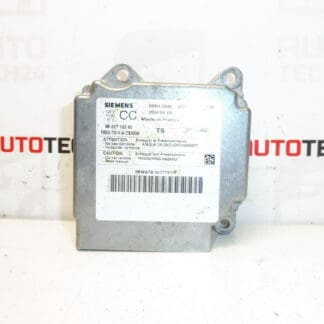
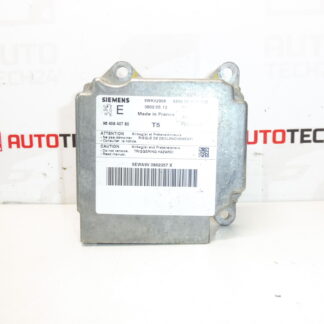
- Manufacturer: Siemens
- Model: Peugeot 307 (up to 2004)
- Product Codes: 9645840780, 5WK42908
- Other Numbers: 6545HE, 6545HF, NFP
Function And Symptoms Of Failure
The airbag control unit continuously evaluates input from impact sensors, seat occupancy sensors and seatbelt pretensioner circuits. When a crash above the deployment threshold is detected, the module issues deployment commands. Typical symptoms indicating a faulty SRS module include a persistent airbag warning lamp on the instrument cluster, logged SRS fault codes, or loss of communication with the airbag system in a diagnostic session.
Why This Part Fails Most Often
- Crash Damage: Deployment events or severe impacts can permanently damage the module.
- Water Ingress / Corrosion: Moisture reaching the unit or connector area can cause electrical faults.
- Connector And Wiring Damage: Broken pins, corrosion or intermittent connections lead to faults.
- Electrical Surges: Short circuits or improper jump-starting procedures can damage electronics.
Replacement Procedure (Overview)
Working with SRS components requires caution. Follow these general steps and the vehicle manufacturer’s procedures:
- Disconnect the negative battery terminal and wait at least 10–15 minutes to allow the SRS capacitors to discharge.
- Locate the unit (commonly found under the center console, under the passenger seat or behind lower trim panels depending on vehicle configuration).
- Remove necessary trim panels and fasteners to access the module.
- Carefully disconnect electrical connectors, noting locking tabs and connector orientation.
- Unbolt the control unit and replace it with the new unit, securing with original fasteners.
- Reconnect connectors, reassemble trim and reconnect the battery.
- Perform a diagnostic scan of the SRS system to clear stored codes and verify that the airbag warning lamp extinguishes. Address any remaining faults as indicated by the diagnostic tool.
Installation Recommendations
- Always follow the vehicle manufacturer’s repair manual and safety procedures when working with SRS components.
- Disconnect the battery before any work and wait the recommended time to avoid accidental deployment.
- Use a professional-grade SRS diagnostic tool to read and clear codes and to confirm system status after replacement.
- If the vehicle has been in a collision, replace any deployed airbag components and sensors according to manufacturer instructions; do not rely on visual inspection alone.
- Secure all connectors and ensure no damaged wiring remains; moisture protection around connectors is important to prevent future corrosion.
- When in doubt, have the replacement performed or validated by a qualified technician experienced with Peugeot SRS systems.
How Often It Fails
The airbag control unit is not a routine wear item and typically remains functional for the life of the vehicle unless exposed to a crash, moisture, electrical damage or severe corrosion. Failures most commonly follow an accident or prolonged water exposure.
Search And Identification Tip
For faster identification, search using the original part numbers 9645840780 or 5WK42908. Including additional codes 6545HE / 6545HF in your search can help ensure you find the correct variant.
Safety Note
Airbag systems are safety-critical. Improper handling can result in accidental deployment or system malfunction. If you are not fully confident in performing the replacement and verification, have the work completed by an experienced technician.