Description
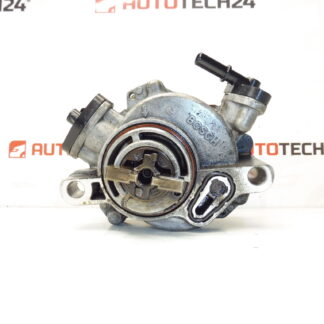
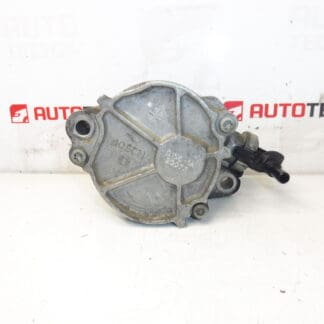
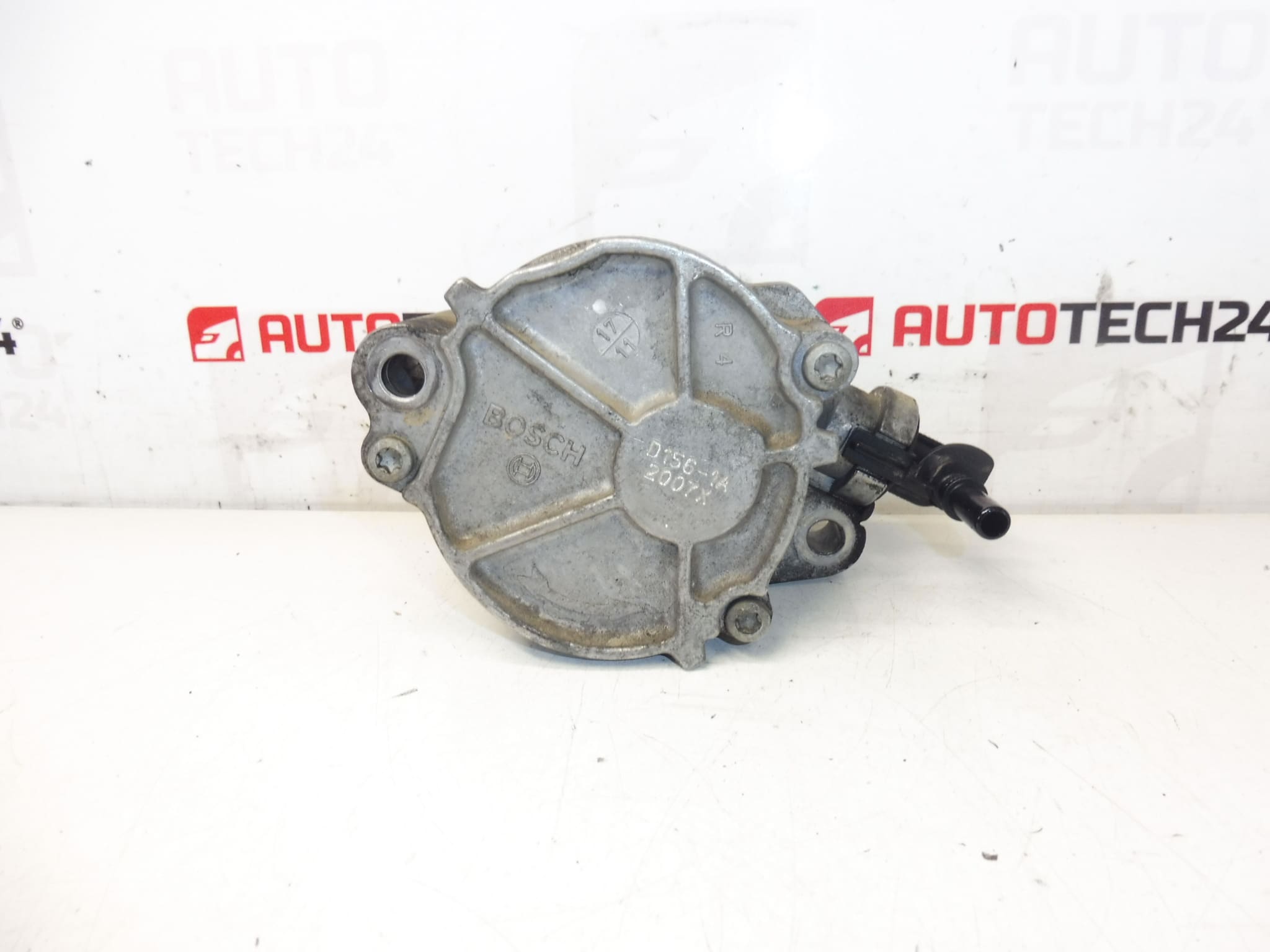
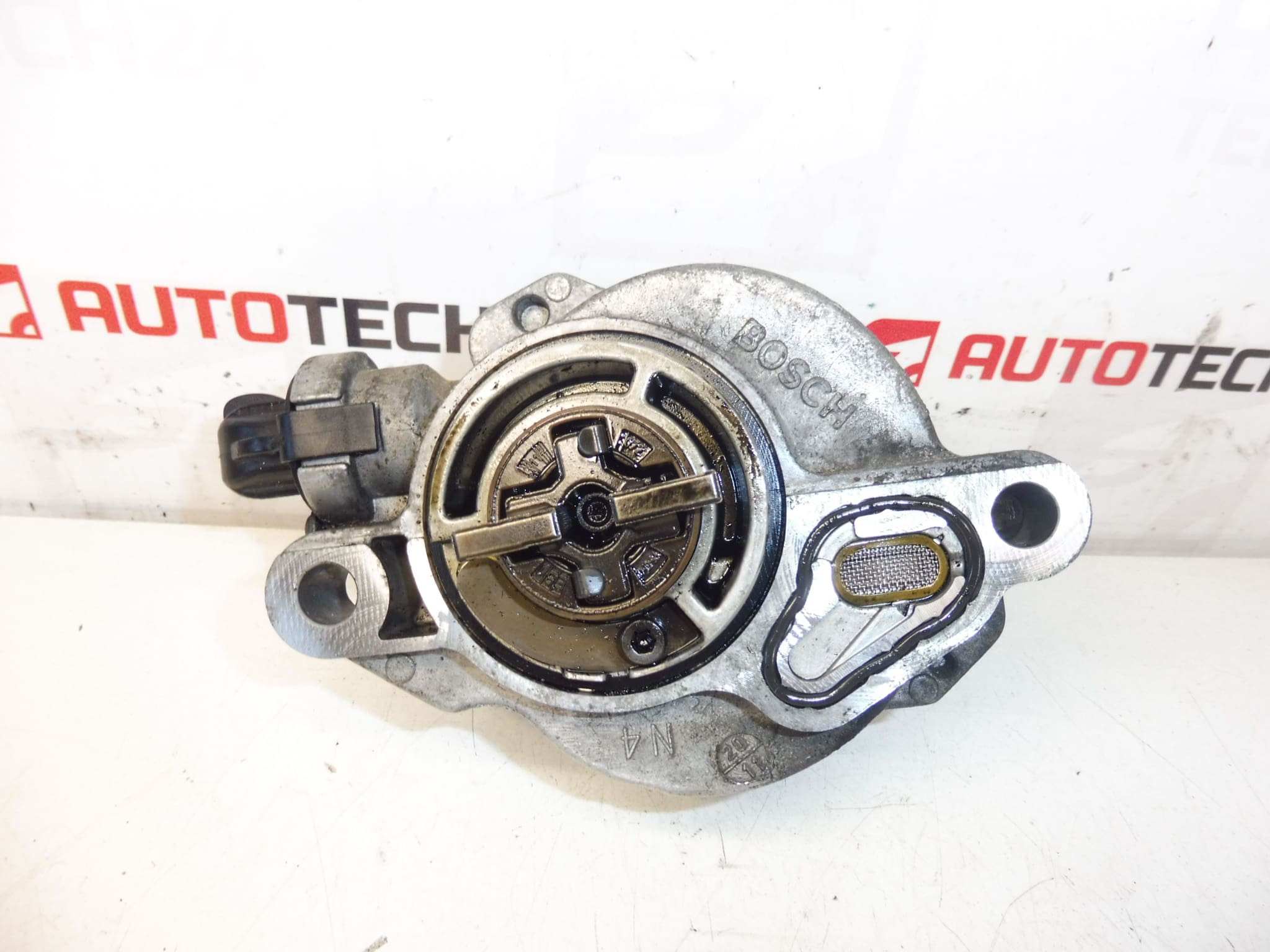
Vacuum pump Bosch for 1.6 HDI 16V engines of Citroën and Peugeot vehicles.
Overview
High-quality Bosch vacuum pump designed for 1.6 HDI 16V (DV6) engines used in many Citroën and Peugeot models. The pump generates the vacuum required for brake servo assistance and vacuum-operated engine systems, ensuring safe braking performance and reliable operation of actuators and valves. Supplied with common OEM reference numbers, this unit is a direct-fit replacement for worn or leaking original pumps.
Technical Information
- Manufacturer: Bosch
- Model: 1.6 HDI 16V (DV6)
- Product Codes: 9653898080, 965390680, 456570
- Additional Numbers: 96417772
Compatibility
Fits a range of Citroën and Peugeot models equipped with the 1.6 HDi 16V (DV6) engine. Common applications include, but are not limited to: Citroën C3, Citroën C4, Citroën C4 Picasso, Citroën Berlingo, Citroën Xsara Picasso; Peugeot 207, Peugeot 307, Peugeot 308, Peugeot 3008, Peugeot Partner. Always verify fitment using the listed product codes.
Function And Symptoms
The vacuum pump supplies vacuum to the brake booster and other vacuum-operated components (EGR control, vacuum actuators and valves). Typical symptoms of a failing pump include reduced or lost brake assist (harder brake pedal), hissing noises from the engine bay, oil leakage around the pump, erratic operation of vacuum-actuated systems and occasionally engine warning lights related to vacuum control. Prompt replacement restores brake feel and system reliability.
Typical Causes Of Failure
Failures usually result from internal wear (vanes/rotor), oil contamination or degradation, seal and gasket failure, clogged non-return/check valves or excessive wear due to high mileage. Contaminated engine oil or excessive blow-by can accelerate wear. Heat and mechanical stress over time also contribute to reduced efficiency and leaks.
Replacement Procedure
General replacement steps (for experienced technicians):
- Park vehicle on level ground and isolate battery before starting work.
- Remove intake components or hoses that obstruct access to the pump and carefully disconnect vacuum lines.
- Unbolt the pump from the cylinder head (retain or replace gasket/seal as required).
- Install the new pump with a new gasket, tighten bolts to manufacturer torque specifications and reconnect vacuum hoses.
- Start the engine, check for leaks and verify proper brake booster operation and vacuum levels.
Note: Torque values and detailed steps vary by engine version—follow manufacturer service manual for exact procedure.
Installation Recommendations
Always fit a new gasket and inspect/replace associated vacuum hoses and the non-return valve when replacing the pump. If the pump is lubricated by engine oil, ensure the engine oil is clean and at the correct level. After installation, check for oil and vacuum leaks and confirm correct brake servo operation. If unsure, have the replacement performed by a qualified technician.
Why This Part Most Commonly Fails
The most frequent cause of failure is internal wear and contamination—worn vanes or rotor, degraded seals and oil-inlet contamination—leading to reduced vacuum output or oil leaks. High mileage, poor oil maintenance and contaminated PCV/turbo oil return can significantly shorten pump life.
Notes For Professionals
Part numbers and cross-references are provided to simplify identification during parts sourcing. This unit is intended for professional mechanics and experienced DIYers familiar with diesel engine systems and vacuum diagnostics.