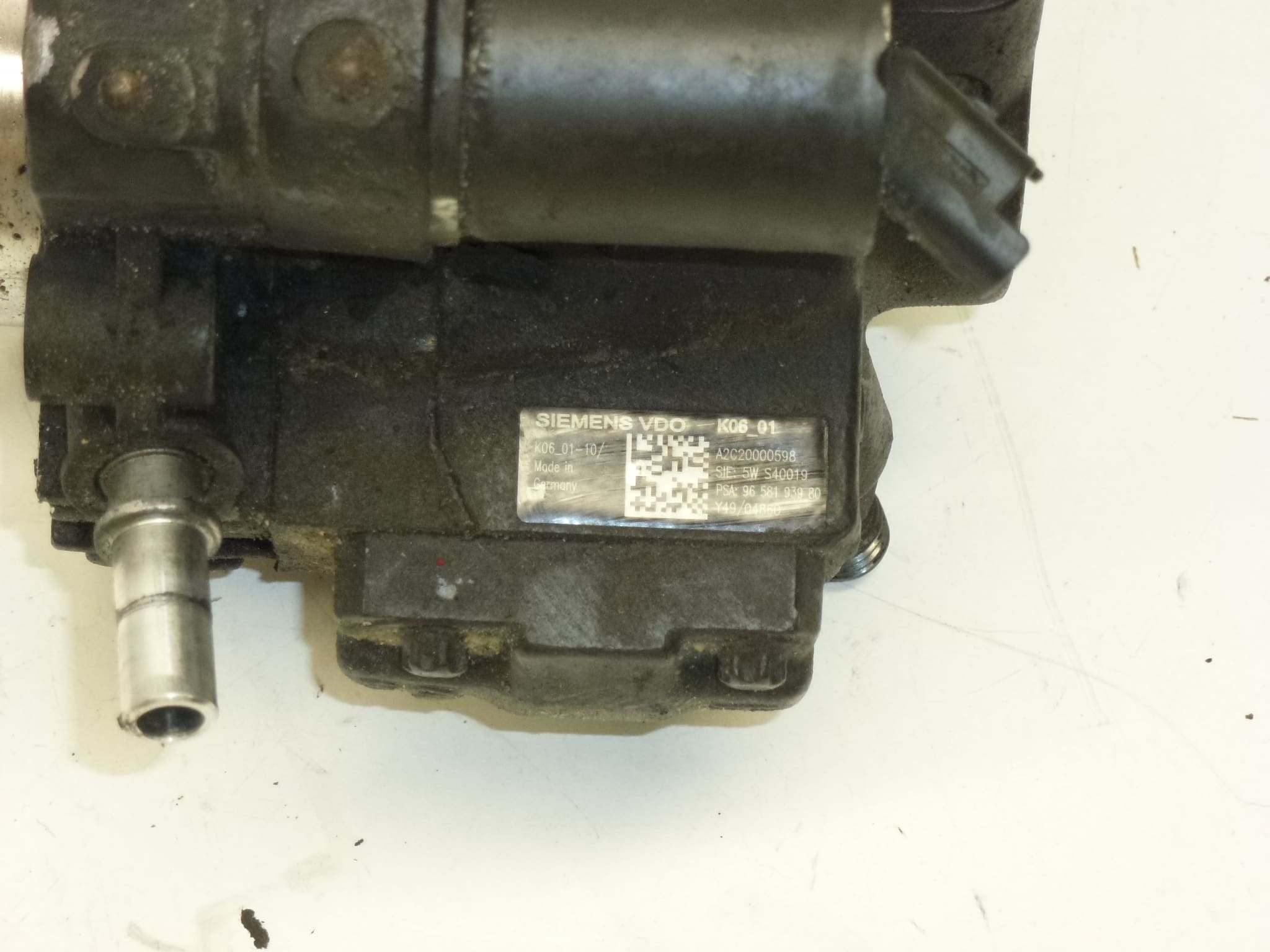
Description
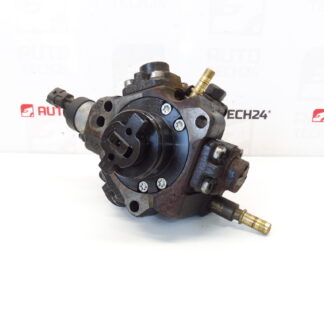
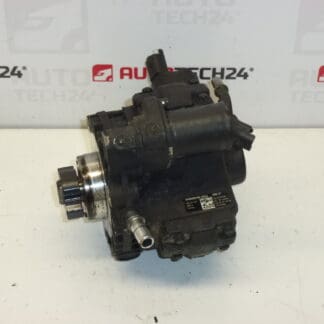
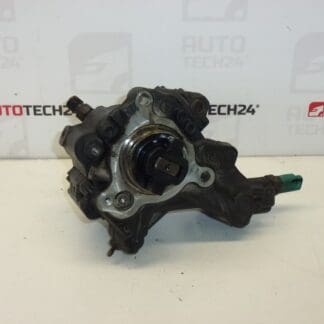
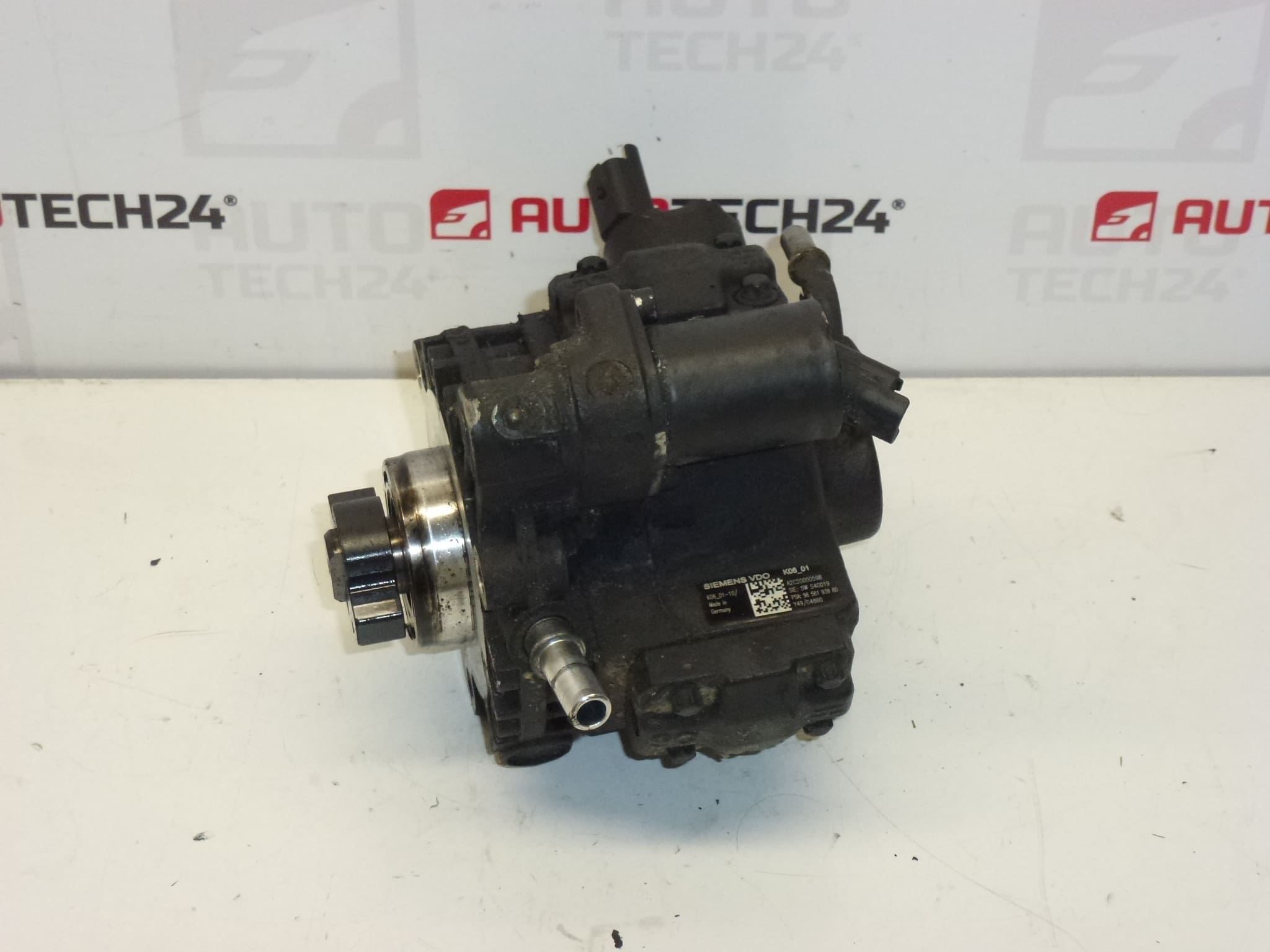
Injection Pump 2.0 HDi 100 kW RHR RHK with SIEMENS VDO system for Citroën, Peugeot, Ford, Volvo, Mazda vehicles. Tested, with a functional warranty. Removed from a vehicle with 131,000 km; DPF was in good condition. Includes Fuel Pressure Regulator.
Overview
This high-pressure injection pump is a direct replacement unit designed for 2.0 HDi 100 kW engines (RHR / RHK) equipped with the Siemens VDO injection system. It is suitable for a range of Citroën and Peugeot models as well as certain Ford, Volvo and Mazda vehicles that use the same engine and pump variants. The unit includes the fuel pressure regulator and is supplied with a functional warranty.
Why Choose This Pump
- Direct Fit For Common 2.0 HDi Engines: Built for the RHR / RHK 100 kW variants widely used across Stellantis group models.
- Siemens VDO System Compatibility: Matches the original Siemens VDO architecture for reliable integration with existing fuel system components.
- Cost-Effective Replacement: Saves time compared with long repair procedures when a complete pump replacement is required.
Function And Symptoms Of Failure
The high-pressure injection pump pressurizes diesel and delivers it to the common rail at the correct pressure for the injectors. Typical symptoms indicating pump issues include:
- Loss Of Power And Hesitation Under Load
- Hard Starting Or Extended Cranking
- Irregular Idle And Misfires
- Fuel Leaks Around The Pump Or Pressure Regulator
- Illuminated Engine Warning Lamp And Diagnostic Fault Codes Related To Fuel Pressure
Common Causes Of Failure
- Contaminated Fuel (Water, Sediment Or Microbial Growth) Causing Accelerated Wear
- Blocked Fuel Filter Or Restricted Supply Leading To Cavitation And Internal Damage
- Wear Of Internal Moving Parts After High Mileage Or Aggressive Use
- Failure Of The Fuel Pressure Regulator Or Associated Control Solenoids
- Poor Maintenance And Use Of Low-Quality Fuel
Replacement And Installation Guidance
Replacement of the high-pressure injection pump should be performed by a competent technician or an experienced DIY mechanic. Key steps and recommendations:
- Depressurize The Fuel System Before Starting Work And Disconnect The Battery.
- Label And Carefully Remove All Fuel Lines And Electrical Connectors; Replace O-Rings And Seals With New Ones To Prevent Leaks.
- Fit The Pump Using Manufacturer Bolting Sequence And Correct Torque Values (Refer To Workshop Manual For Exact Specs).
- Bleed The Fuel System Thoroughly After Installation To Remove Air; Prime The Lift Pump If Needed.
- Replace The Engine Fuel Filter As A Matter Of Course To Prevent Immediate Contamination.
- Perform A Post-Fit Diagnostic Check To Monitor Fuel Pressure And Confirm Absence Of Fault Codes.
Maintenance And Expected Life
Lifespan Depends On Vehicle Use And Fuel Quality. With Proper Maintenance (Regular Fuel Filter Changes And Clean Fuel), Many Pumps Last Well Beyond 200,000 Km. Early Replacement Of Filters And Avoiding Contaminated Fuel Will Extend Service Life.
Technical Information
- Manufacturer: Siemens VDO
- Model: 2.0 HDi 100 kW (RHR, RHK)
- Product Codes: 5WS40019, 5WS40809, 1920QH, 1920N8
- Additional Numbers: Removed From Vehicle With 131,000 Km; Includes Fuel Pressure Regulator
- Compatible Makes: Citroën, Peugeot, Ford, Volvo, Mazda
Recommendation For Installation
For best results replace related fuel system components (fuel filter, seals and hoses) during installation. Ensure the system is bled correctly and perform a diagnostic check after fitting. If you are unsure about setting timing or resolving fault codes, seek assistance from a professional workshop with appropriate diagnostic equipment.
Why This Part Is Often Replaced
This pump is commonly replaced because internal wear or contamination impairs its ability to maintain stable rail pressure, causing drivability issues. Replacing the pump and servicing the fuel system restores engine performance and reliability.