Description
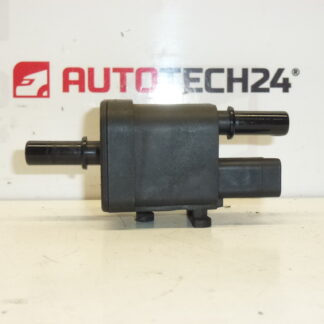
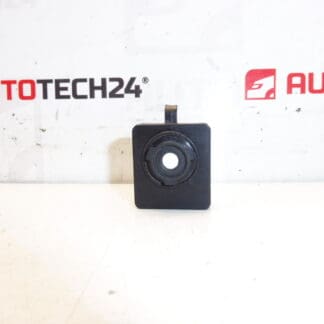
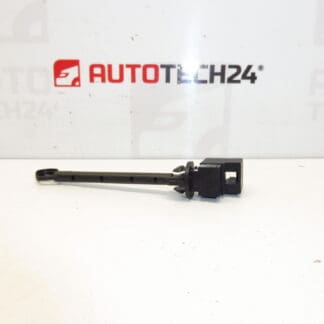
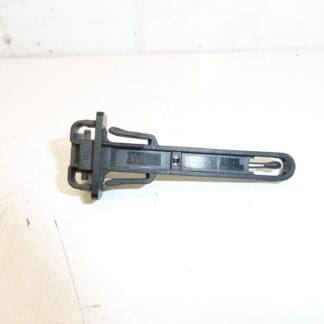
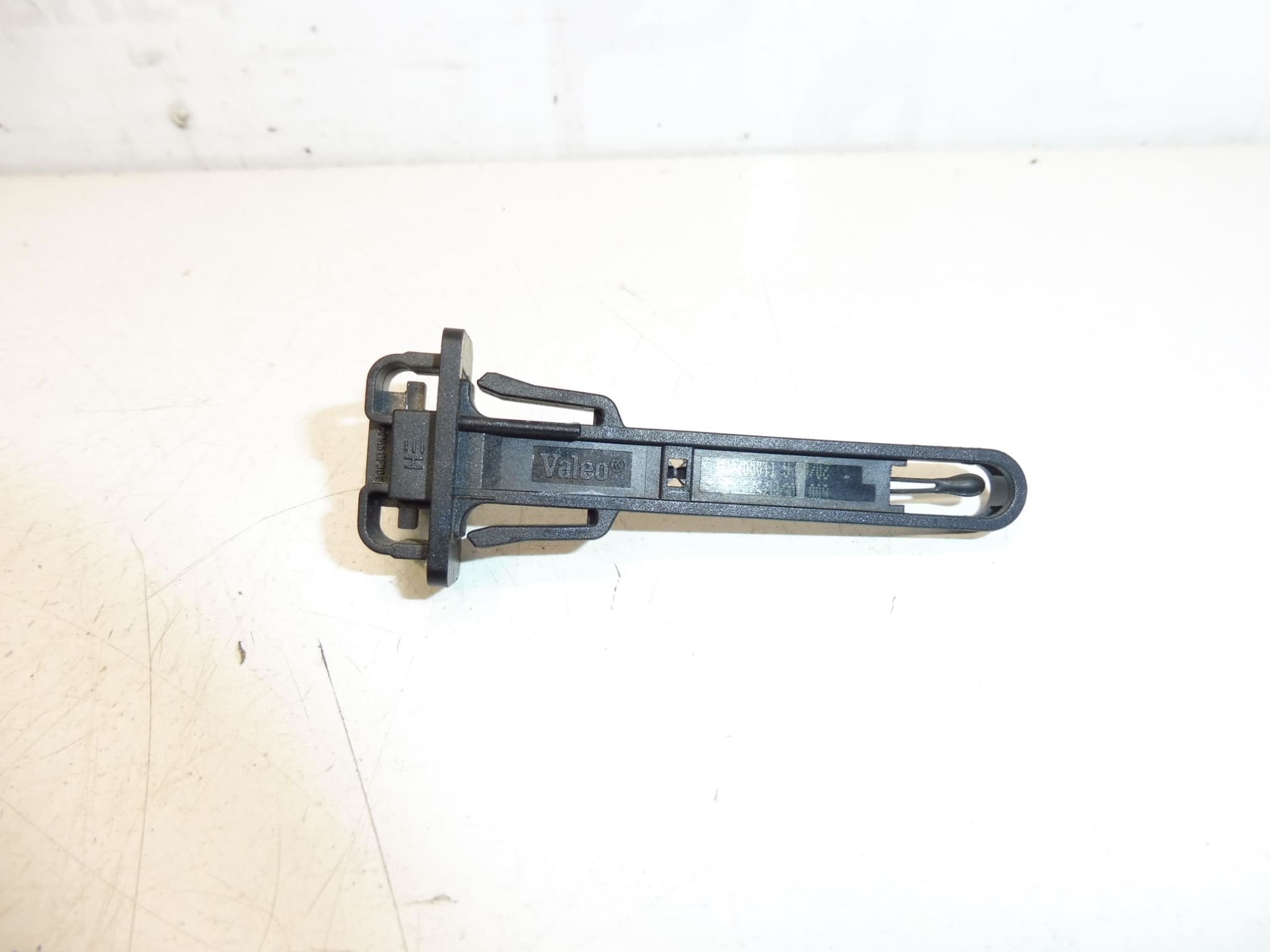
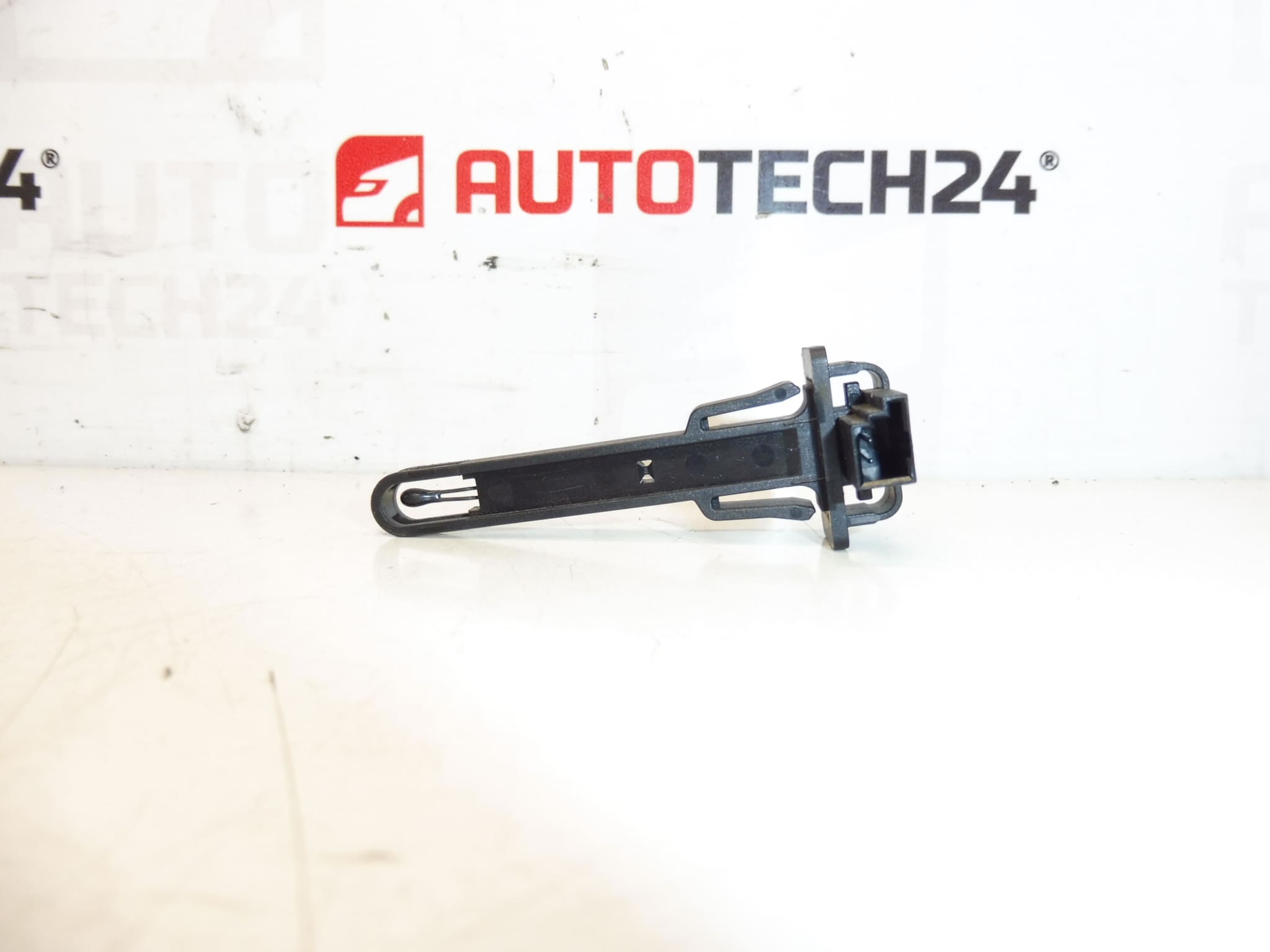
Interior Air Temperature Sensor for PEUGEOT 308 T7 and Citroën C3 PICASSO, C4 B7. Evaporator Sensor.
This Valeo temperature sensor (T1000210Q / 643665) is a direct-fit replacement part commonly used in the HVAC systems of Peugeot and Citroën models listed below. It measures the temperature of the evaporator / cabin intake air and provides the climate control unit with the data required to regulate blower speed, compressor cycling and blend-door logic. Designed for professional fitment by mechanics and experienced DIYers, the sensor helps restore accurate cabin temperature readings and reliable automatic climate control operation.
Technical Information
- Manufacturer: Valeo
- Model: Peugeot 308 T7; Citroën C3 Picasso; Citroën C4 B7
- Product Codes: T1000210Q, 643665
- Other Numbers: Stellantis CITROEN PEUGEOT
Application & Fitment
Fits specified Peugeot and Citroën models equipped with the factory HVAC system where the evaporator / interior air temperature sensor is installed. Often listed and searched by OE/code numbers (T1000210Q, 643665). Always check part numbers against the vehicle’s parts list when possible.
Function & Symptoms
The sensor monitors the temperature of the evaporator or incoming cabin air and sends a voltage signal to the climate control module. Correct readings are essential for:
- Automatic temperature regulation (automatic climate control)
- Compressor cycling to prevent evaporator freeze
- Correct blend-door and blower control
Typical failure symptoms include incorrect cabin temperature reporting, prolonged cooling/heating cycles, frequent AC on/off cycling, reduced HVAC performance or fault codes related to the temperature sensor in the HVAC module.
Replacement & Installation
Basic replacement steps (general guidance):
- Locate the sensor in the HVAC housing—commonly mounted on or near the evaporator case inside the dashboard or behind the glovebox, depending on model.
- Disconnect the vehicle battery or ensure ignition off before unplugging electrical connectors to avoid short circuits.
- Carefully unplug the sensor connector and release any retaining clips. Avoid pulling on wiring—use the connector body.
- Remove the old sensor and install the replacement in the same orientation; ensure sealing surfaces or O-rings (if present) are seated correctly.
- Reconnect the connector, secure clips, and restore battery power. Verify HVAC operation and check for any stored fault codes.
Note: Access may require partial dashboard or glovebox removal on certain models. Use manufacturer repair instructions for disassembly to avoid damaging trim or HVAC components.
Installation Recommendations
- Inspect wiring and connector for corrosion or damage; repair any compromised terminals before installing the new sensor.
- Keep the sensor element clean and avoid touching sensing surfaces directly.
- Use a small amount of dielectric grease on connector pins to improve moisture resistance if appropriate for the connector type.
- After installation, run the HVAC system through modes to confirm correct operation and stable temperature readings.
Why It Fails Most Often
- Moisture ingress and corrosion of the connector or sensor housing.
- Contamination from debris or dust within the HVAC housing affecting the sensing element.
- Physical damage during dashboard removal or maintenance (broken clips, bent pins).
- Electrical issues such as wiring chafing, connector fatigue or intermittent contacts.
- Age-related drift of the sensor element leading to inaccurate readings.
Suitable for professional workshops and experienced DIYers familiar with Peugeot/Citroën HVAC systems. Searchable by OE codes T1000210Q and 643665 for fast identification.