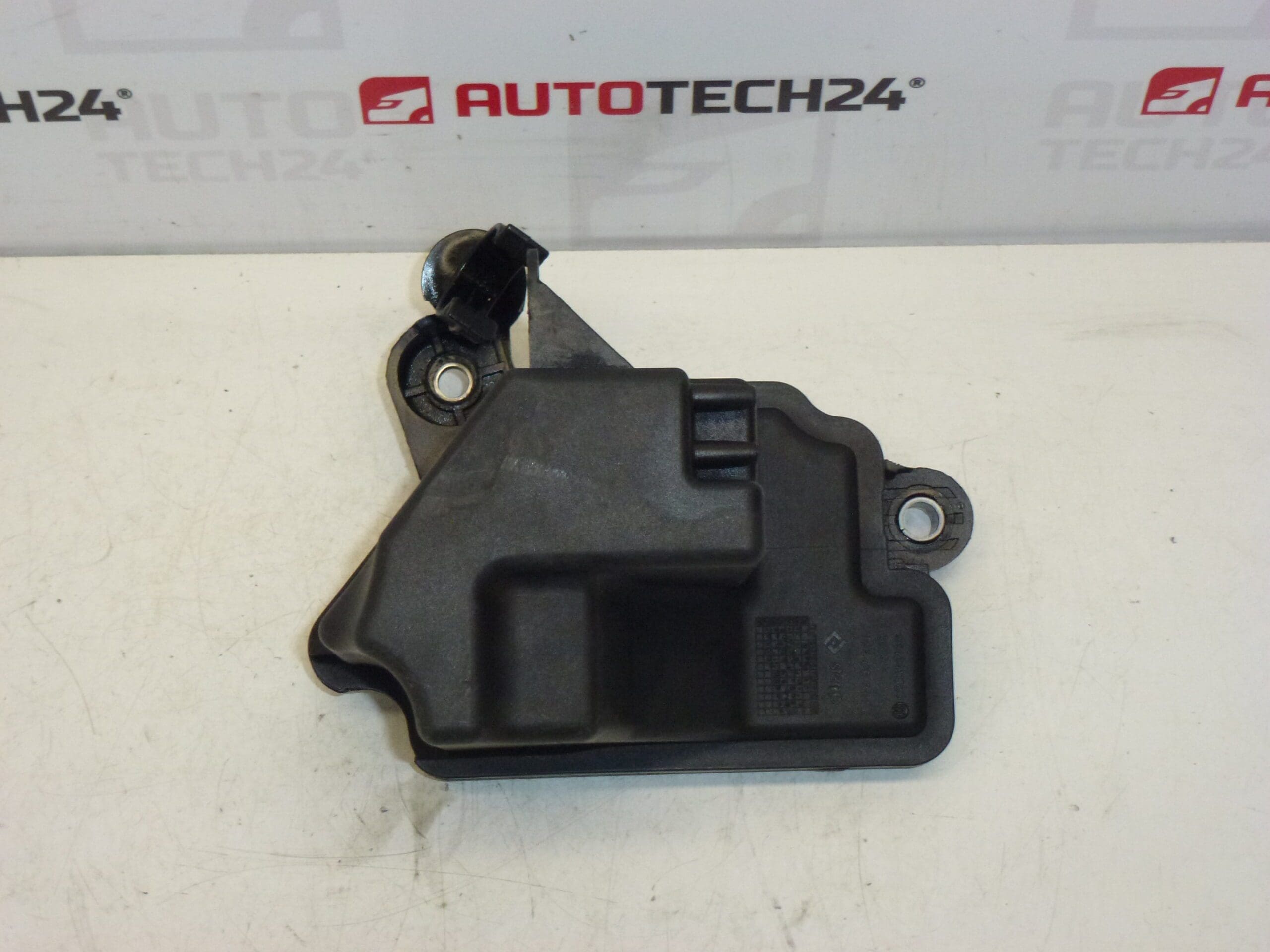
Description
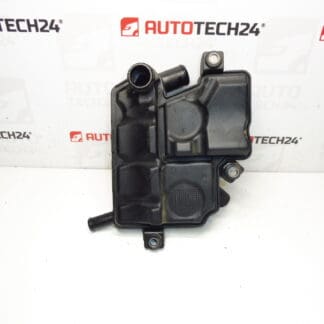
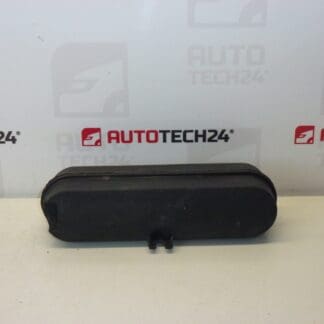
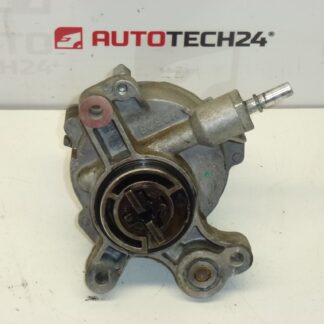
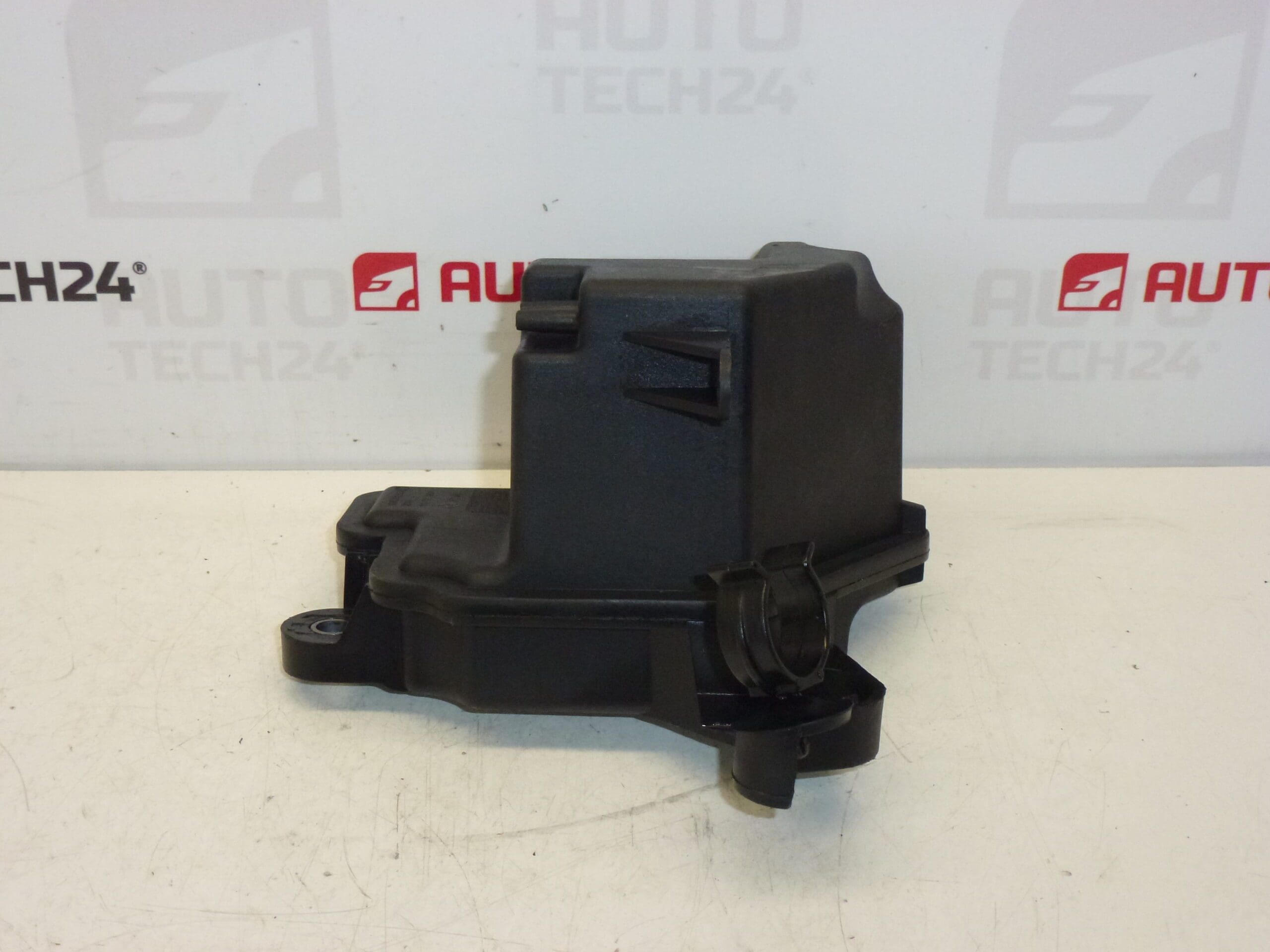
Vacuum reservoir for Citroën, Peugeot, Ford and Volvo vehicles with 2.0 HDi engines.
The Vacuum Reservoir (vacuum accumulator) designed for vehicles equipped with the PSA 2.0 HDi engine provides a stable reserve of vacuum for brake assistance and other vacuum-operated actuators. This replacement part fits a range of Citroën and Peugeot models and is often referenced under part numbers 9646411180 and 161837. Built to restore correct vacuum supply where the original tank is cracked or the internal check valve has failed, it is an essential component for safe braking performance and reliable operation of vacuum-controlled systems.
Technical Information
- Manufacturer: Stellantis / Citroën / Peugeot
- Model: Vehicles With 2.0 HDi Engines (See Fitment List)
- Product Codes: 9646411180, 161837
- Additional Numbers: Cross-Reference Numbers May Vary By Market; Main References Above
Fitment / Compatible Models
Common applications include Citroën C4, Citroën C4 Picasso, Citroën C5 (including X7), Citroën C8 and Peugeot 307, Peugeot 407, Peugeot 807. The reservoir can also appear on certain Ford and Volvo cars that use PSA 2.0 HDi engines or related vacuum systems. Always check part numbers and visual match for confirmation before installation.
Function And Symptoms
The vacuum reservoir stores negative pressure (vacuum) created by the engine vacuum pump or intake manifold to guarantee immediate availability of vacuum for the brake servo and other vacuum-actuated components (e.g., some EGR or turbo actuators depending on model). Typical symptoms of a failing reservoir include a spongy or hard brake pedal, longer brake pedal travel at cold start, occasional loss of brake assist, hissing noises from the engine bay, or visible cracks/leaks on the reservoir housing.
Replacement Procedure (Basic Guide for Mechanics and Experienced DIY)
- Prepare The Vehicle: Park on level ground, switch off ignition and allow the engine to cool. Work with appropriate personal protective equipment.
- Access The Reservoir: Remove any engine covers or components that obstruct access. The reservoir is usually located in the engine bay near the brake booster or on a bracket along the firewall.
- Label And Disconnect Hoses: Mark vacuum hoses and clamps for correct reassembly. Carefully remove vacuum hoses from the reservoir — brittle hoses should be replaced.
- Remove Mounting Hardware: Unscrew mounting bolts or detach clips that secure the reservoir. Keep fasteners for reuse if they are undamaged.
- Fit New Reservoir: Mount the new unit in the original position, tighten fasteners to the manufacturer’s recommendations, and reconnect vacuum lines ensuring correct orientation of any built-in check valve.
- Check For Leaks And Operation: Start the engine, listen for hissing, and verify brake assist operation. Inspect hose connections and clamps for airtight fit. If available, use a hand vacuum pump or smoke tester to confirm system integrity.
- Final Steps: Replace any removed engine covers and perform a road test to confirm braking performance and absence of error symptoms.
Installation Recommendations
- Always Reuse Or Replace Clamps With The Same Type And Quality To Ensure Airtight Connections.
- Inspect Vacuum Hoses And Check Valve; Replace Any Brittle Or Oil-Contaminated Hoses.
- Clean Mating Surfaces And Brackets Before Installation To Ensure Secure Fitment.
- Torque Fasteners According To Manufacturer Specifications Where Available.
- After Installation, Confirm Correct Vacuum Supply Under Different Engine Loads And During Cold Start.
Most Common Causes Of Failure
- Age And Heat Exposure: Plastic tanks degrade over time from engine heat and vibration, leading to hairline cracks and leaks.
- Check Valve Failure: Internal check valves can stick or leak, preventing the reservoir from holding vacuum.
- Contamination: Oil vapors or debris in vacuum lines can accelerate deterioration of the reservoir and hoses.
- Physical Damage: Impact or improper handling during previous repairs can crack the housing or damage mounting points.
Designed For Use By Professional Technicians And Competent DIYers, This Vacuum Reservoir Restores Reliable Vacuum Supply In 2.0 HDi Engines And Helps Maintain Safe Brake Assist Performance. Check Part Numbers 9646411180 And 161837 For Direct Fitment.