Description
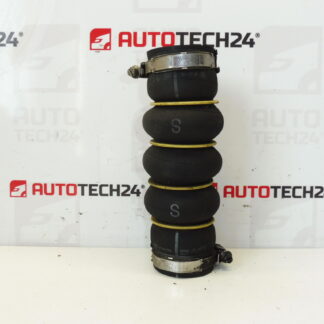
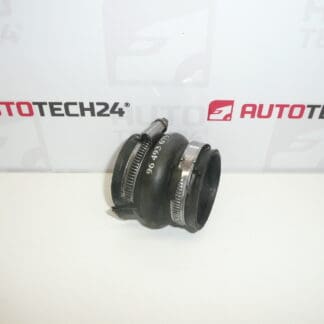
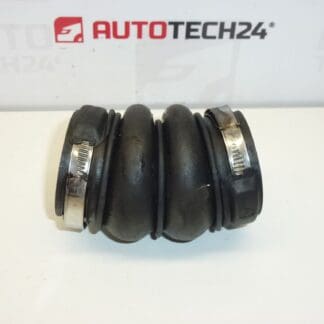
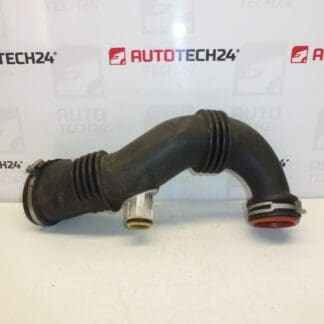
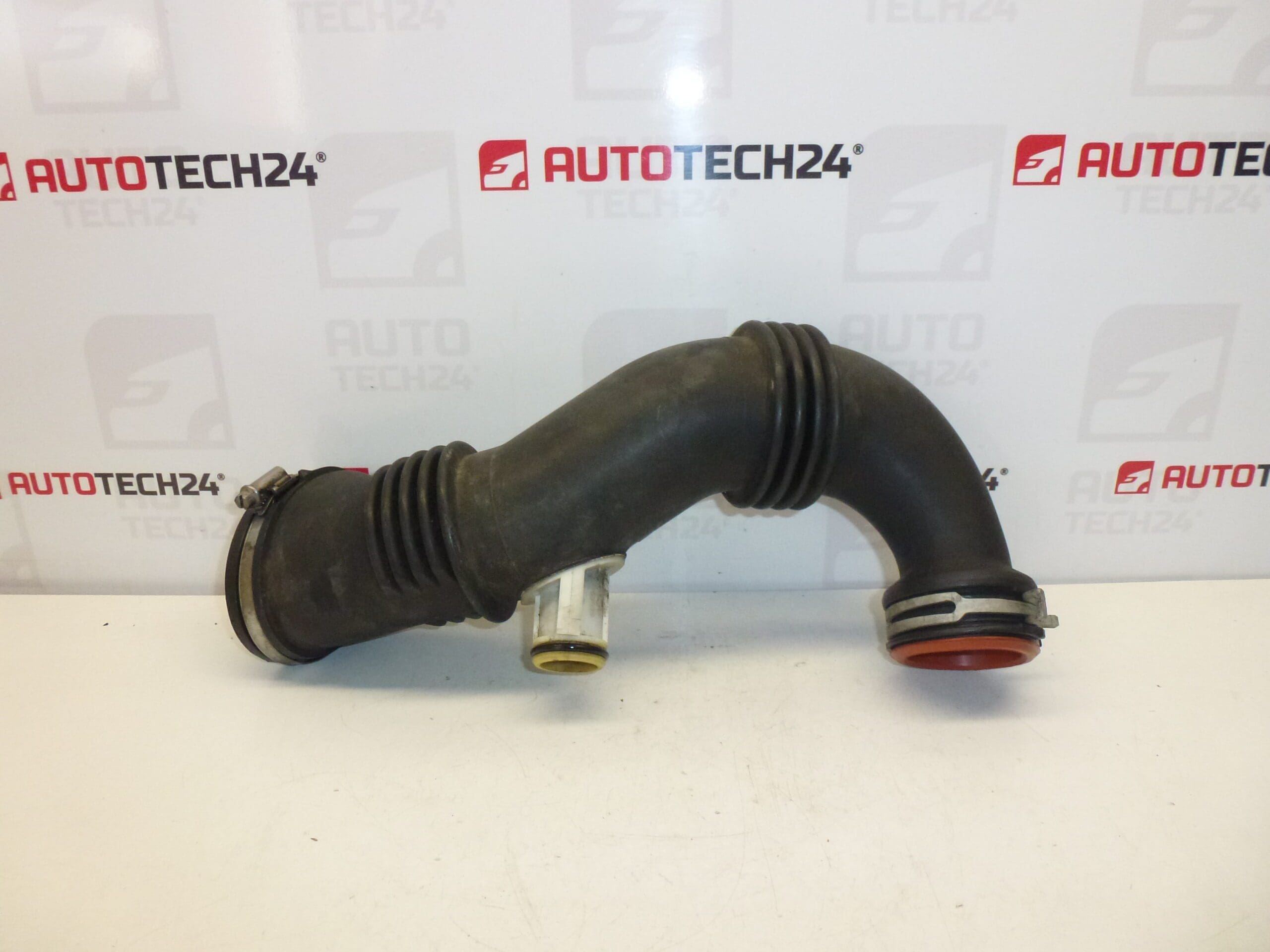
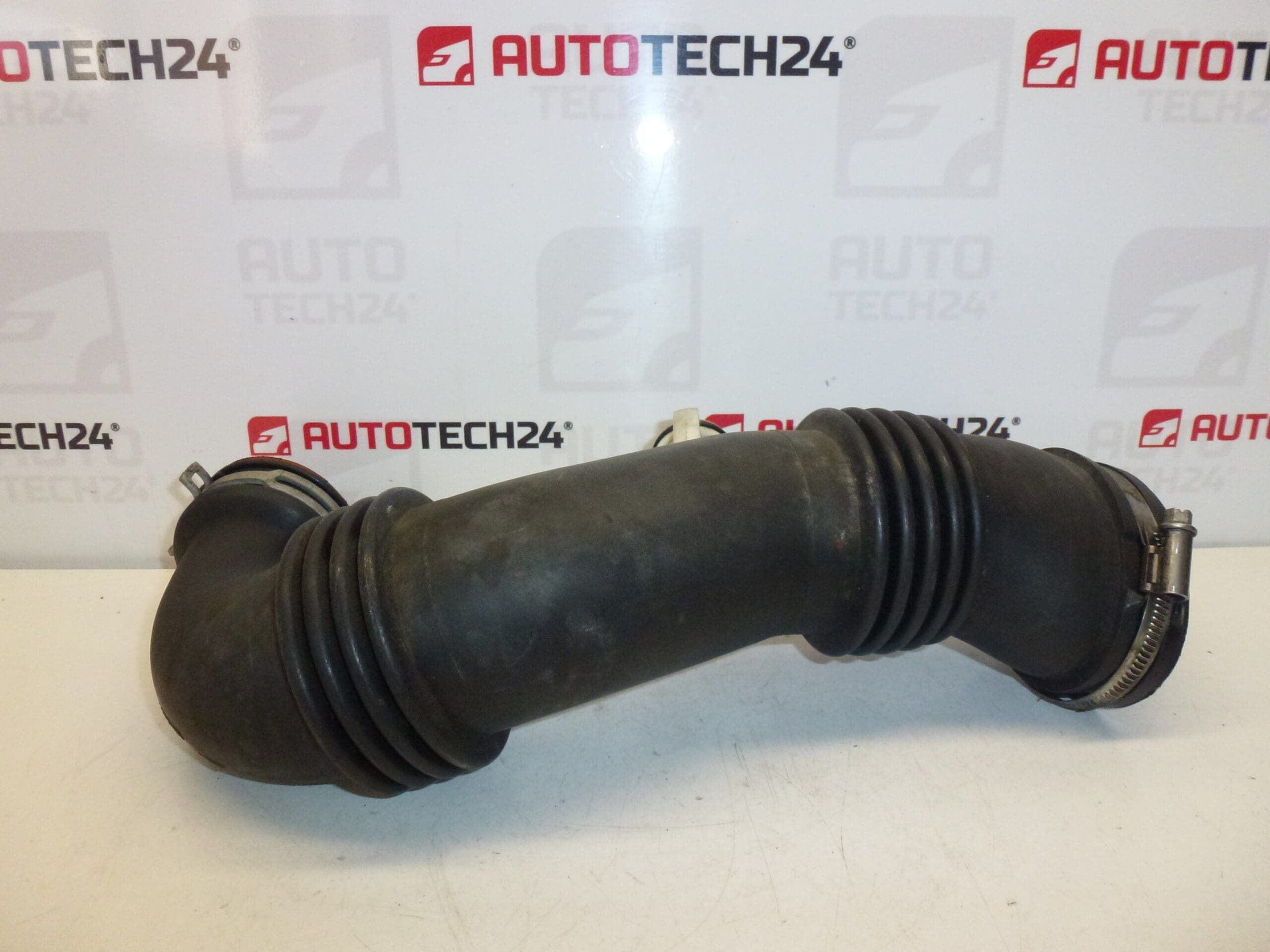
Intake air connection to the turbocharger of the 1.6 HDI engine for Citroën and Peugeot vehicles.
This turbo inlet hose is designed for the 1.6 HDI diesel engines used across various Citroën and Peugeot models. It provides a direct fit replacement for worn or damaged OEM hoses (commonly searched by part numbers), restoring proper airflow to the turbocharger and eliminating boost leaks that cause loss of power, rough idling or turbo lag. Ideal for professional mechanics and experienced DIY enthusiasts who maintain or repair PSA Group 1.6 HDI engines.
Key benefits include correct contouring for OEM fitment, reliable sealing at hose clamps and turbo connections, and immediate restoration of turbo system integrity when replacing a compromised hose. If the original hose shows cracks, soft spots or oil saturation, replacement will prevent further turbocharger stress and protect downstream components such as the intercooler and intake sensors.
Technical Information
- Manufacturer: Stellantis (Citroën / Peugeot)
- Model: Citroën Berlingo, Citroën C3, Citroën C3 Picasso, Citroën C4, Citroën C4 Picasso, Citroën C5, Citroën Xsara Picasso, Peugeot 307, Peugeot 308, Peugeot 407, Peugeot Partner
- Product Codes: 9687883780, 9656953680
- Additional Numbers: 143453, 1434E1, NFP
Installation
- Allow the engine to cool before starting work to avoid burns from hot components.
- Relieve any residual boost pressure by cranking the engine with the intake disconnected (if required) or follow manufacturer service procedure.
- Loosen and remove clamps securing the old hose at the turbocharger and intercooler/intake manifold connection points. Disconnect any attached vacuum lines or sensors carefully.
- Remove the old hose, inspect mating flanges, throttle body and intercooler connections for damage or oil contamination, and clean mating surfaces.
- Install the new hose ensuring correct orientation and full insertion onto fittings. Replace worn clamps with new quality clamps and tighten evenly—secure but avoid over-tightening which can damage the hose or fittings.
- Reattach any vacuum lines or sensors. Start the engine and check for boost leaks and correct turbo response. Road-test under light load and verify no abnormal air noises or loss of power.
Installation Recommendations
Use proper hose clamps and, if possible, torque specifications from the vehicle manufacturer. Replace any damaged clamps, seals or retaining clips during the job to ensure a long-lasting repair. Inspect the intake and intercooler for oil contamination; excessive oil may indicate turbo issues that should be diagnosed separately. For best results, perform a smoke or pressure test after installation to confirm the system is leak-free.
Why The Part Most Commonly Fails
- Age and Heat Cycling: Repeated heating and cooling cause rubber or elastomer hoses to harden, crack or split over time.
- Oil Contamination: Excessive crankcase or turbo oil leaks soften and degrade hose material, accelerating failure.
- Clamps And Fitment Issues: Loose or incorrect clamps allow movement that leads to chafing or detachment under boost.
- Physical Damage: Contact with adjacent components or improper previous repairs can puncture or tear the hose.
Common symptoms of a failing inlet hose include audible hissing under boost, reduced engine power, poor turbo spool and occasional fault codes related to boost pressure. Replacing the hose with a correct, high-quality unit restores boost efficiency and drivability.
Note: This part is often looked up by its OEM numbers (9687883780, 9656953680). Verify physical match with the removed hose and mating points before installation to ensure correct fitment.