Description
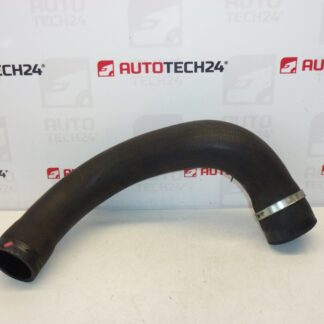
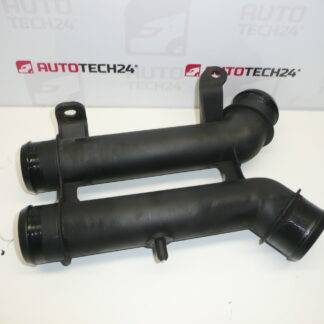
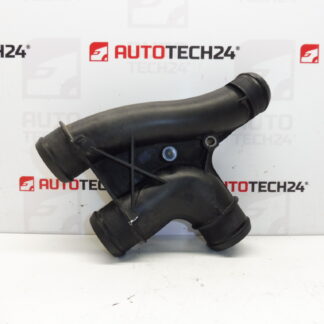
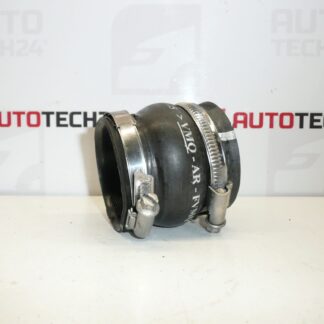
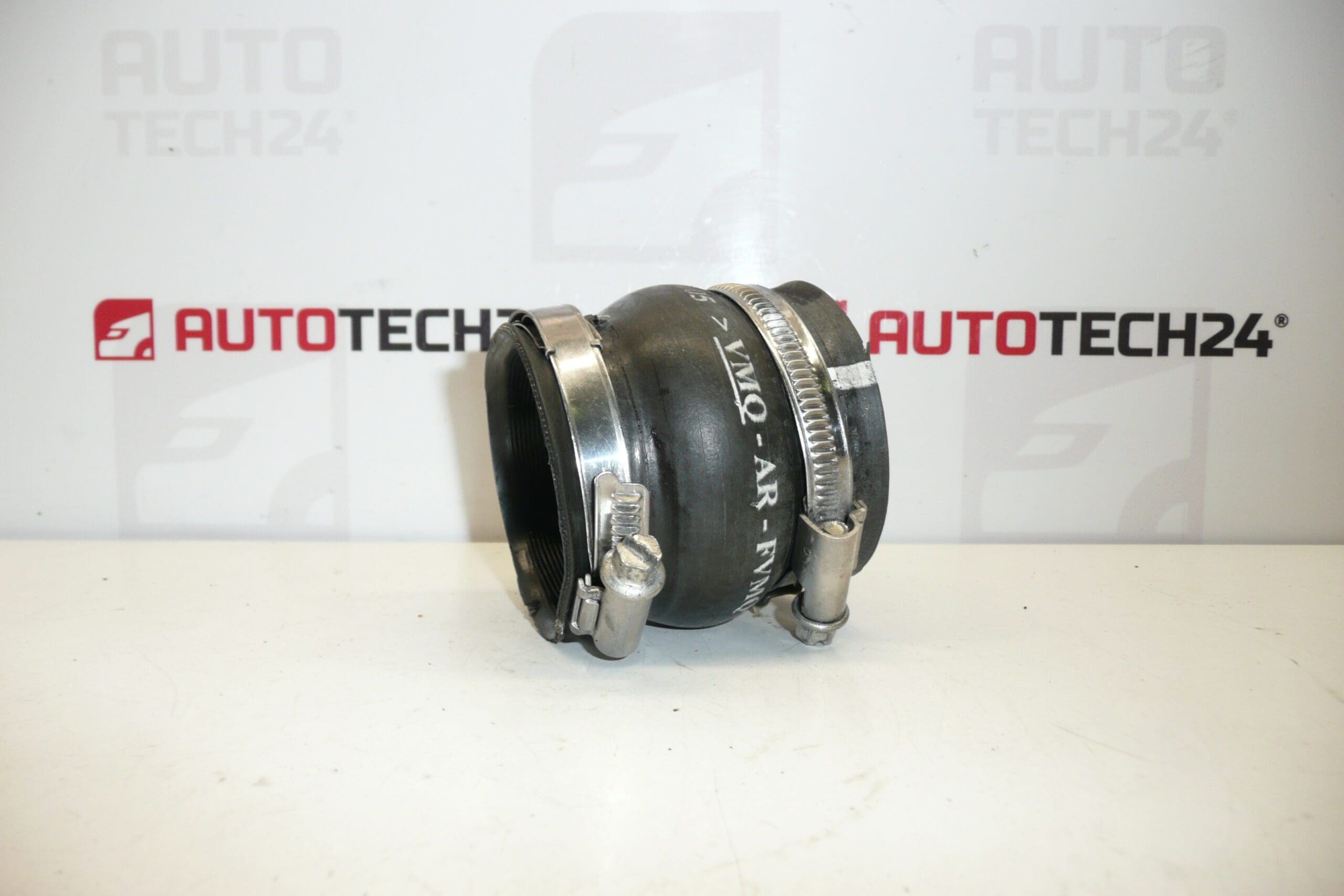
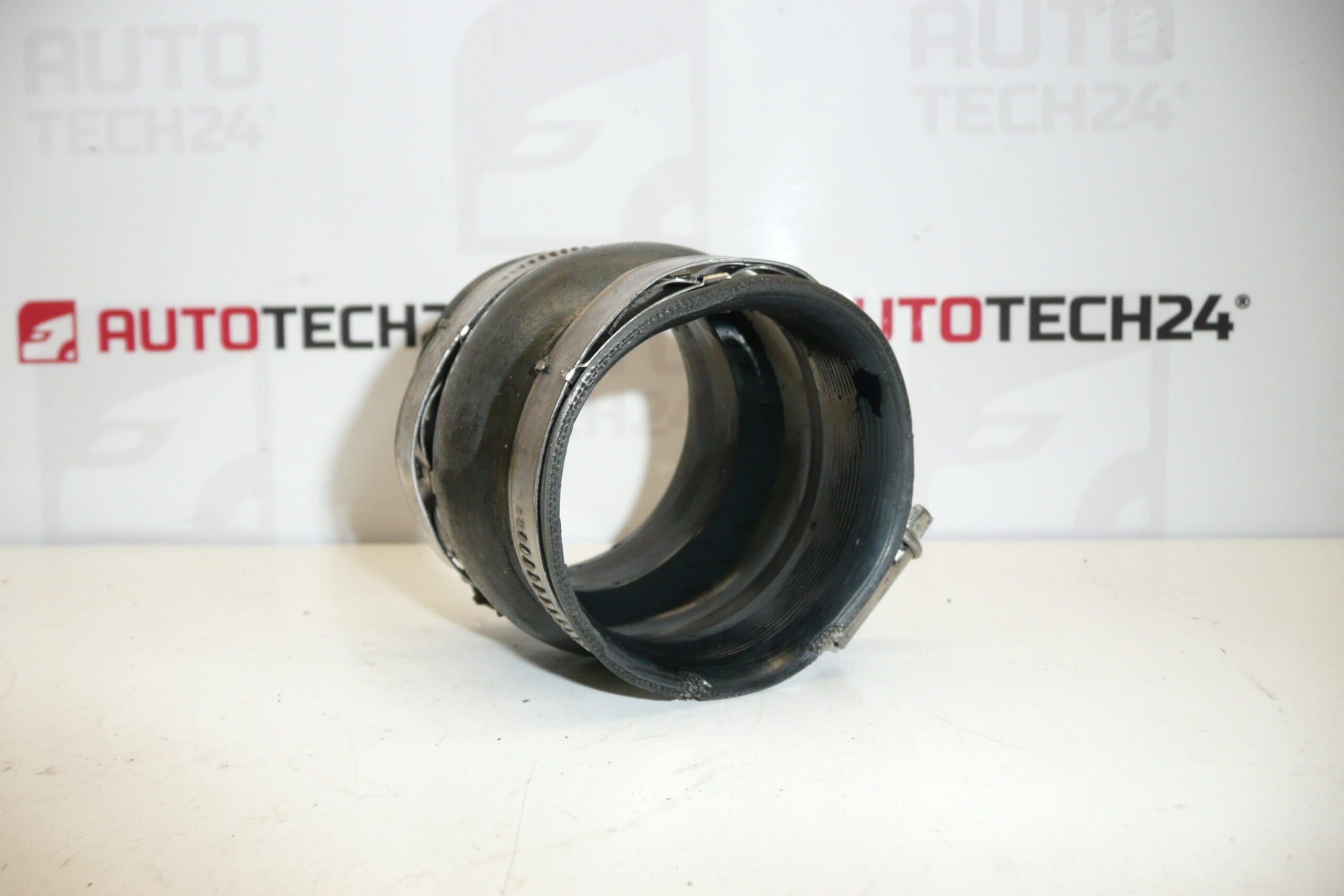
Boost intake hose for 1.6 HDi turbo engines. Air Connection Clamp.
Direct-fit replacement intake/turbo hose designed for 1.6 HDi engines used in Citroën and Peugeot vehicles. This part restores proper boost airflow between the turbocharger and intake system, preventing pressure loss and improving throttle response. Supplied with the air connection clamp, it is aimed at professional technicians and experienced DIYers who require a reliable, serviceable component that matches OE fitment. The hose is commonly searched by OE and reference numbers, so check product codes below when locating the correct item for your vehicle.
Technical Information
- Manufacturer: Stellantis (Citroën / Peugeot)
- Model: 1.6 HDi Engines (Fits Models Including Citroën Berlingo, Citroën Xsara Picasso, Peugeot Partner)
- Product Codes: 9651246880, 965124688080, 9689096280
- Additional Numbers: 0382EY, 0382NZ
Product Function And Construction
The turbo intake hose channels pressurised air from the turbocharger to the intercooler or intake manifold. It is manufactured as a reinforced flexible hose to withstand boost pressure, heat and vibration. The supplied clamp secures the connection to prevent leaks under load. A properly functioning hose is essential for maintaining boost pressure, fuel economy and engine performance.
Installation Recommendations
- Allow Engine To Cool Before Starting Work.
- Release Any Residual Boost Pressure With Engine Off; Loosen Clamps Gradually.
- Remove Old Hose By Loosening Clamps At Both Ends; Inspect Turbo Outlet And Intercooler Ports For Damage Or Oil Residue.
- Clean Mating Surfaces, Fit New Hose, And Position Clamp Correctly Over The Connection.
- Tighten Clamps Evenly To Secure Seal—Avoid Over-Tightening Which Can Damage The Hose.
- After Installation, Start Engine And Check For Air Leaks, Whistles, Or Loss Of Boost Under Load.
- Replace Corroded Or Deformed Clamps; Inspect Adjacent Hoses And Vacuum Lines For Wear.
Why The Part Fails Most Often
Common failure causes include heat-induced ageing and cracking, oil contamination from turbocharger seal leaks that softens the rubber, repeated pressure cycling which causes material fatigue, and poor clamp condition or incorrect installation leading to leaks. Debris and abrasive particles can also abrade the inner surface. Failure typically presents as loss of boost, hissing noises under acceleration, poor engine response, or fault codes related to turbo performance.
Search Tips
Customers often search by OE numbers or reference codes. Use the product codes and additional numbers listed above when searching to ensure correct fitment for your vehicle.