Description
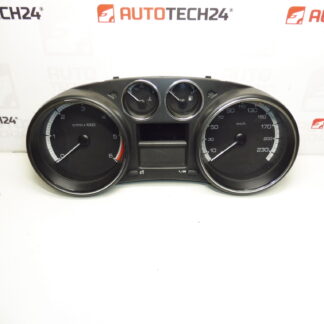
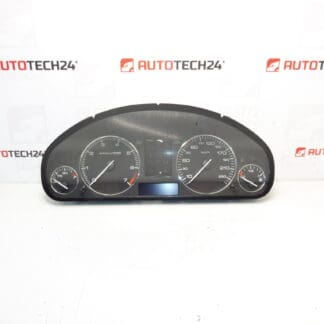
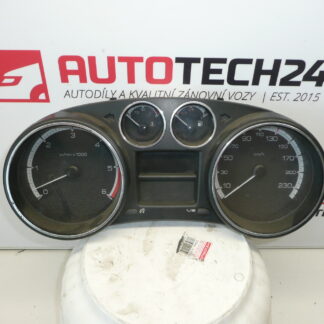
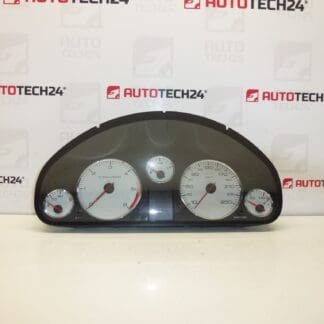
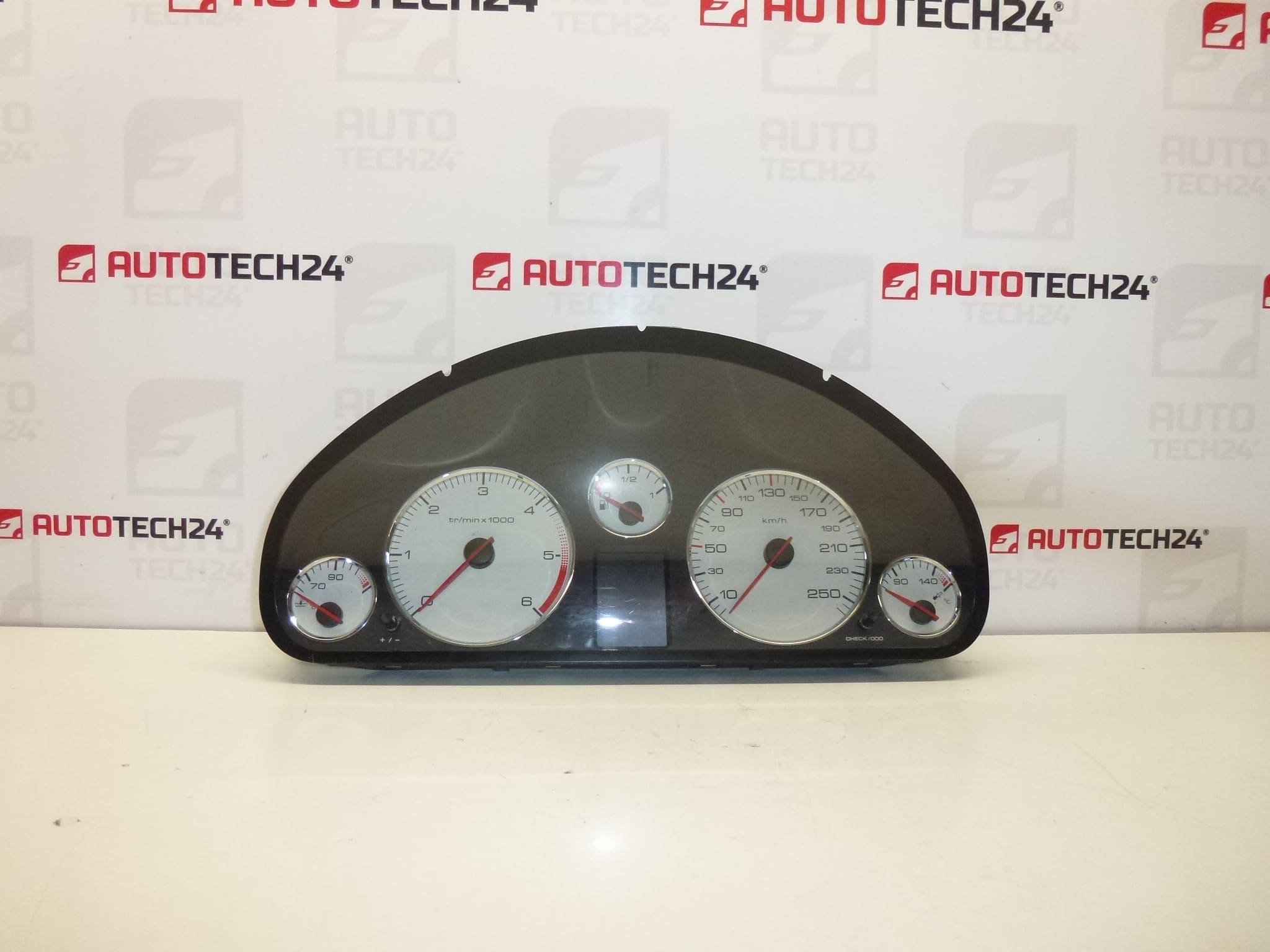
Instrument Cluster Speedometer Dashboard PEUGEOT 407 2.0 HDI 2010. Mileage approx. 203000 km. Display works OK.
This instrument cluster is a direct-fit replacement for Peugeot 407 2.0 HDi dashboards and is aimed at professional workshops and experienced DIY mechanics. The unit includes the speedometer, tachometer, fuel and temperature gauges, odometer/trip display and instrument warning lights. Supplied with OEM reference numbers for easy identification, this cluster represents a practical solution when the original instrument panel shows faults such as dim/flickering display, intermittent gauges or failed warning lights.
Technical Information
- Manufacturer: Stellantis (Citroën/Peugeot)
- Model: Peugeot 407 2.0 HDi (2010)
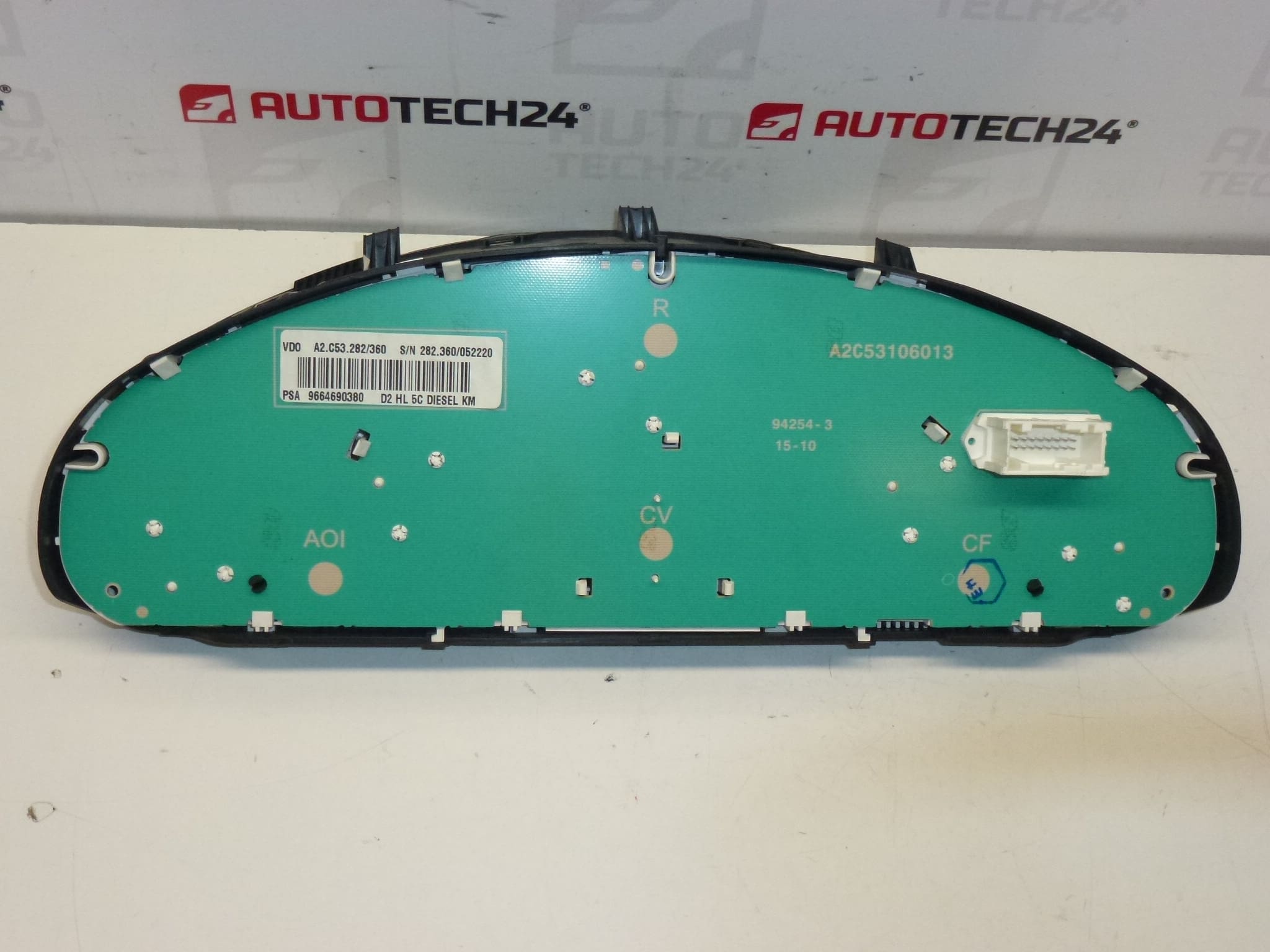
- Product Codes: 9658138580, 9664690380, 610395
- Additional Numbers: 6106W8, 610396
- Mileage: Approximately 203000 km
- Condition: Display works OK (as noted)
Installation Recommendations
Follow these general steps and precautions when replacing the instrument cluster:
- Disconnect the negative battery terminal and wait a few minutes to avoid short circuits and to protect vehicle electronics.
- Remove trim panels and steering column covers to access the cluster screws—keep fasteners organized for reassembly.
- Unscrew the instrument cluster, carefully pull it forward and unplug all electrical connectors without forcing them. Inspect connectors for corrosion or bent pins.
- Install the replacement cluster by reversing removal steps. Ensure connectors are fully seated and trim panels are correctly refitted.
- After installation, some vehicles may require synchronization or coding of the cluster with a compatible diagnostic tool (for example DiagBox or other Peugeot/Citroën capable interfaces) to ensure full functionality of warning systems and correct communication with immobilizer/ECU. If unsure, perform a full systems check with diagnostic equipment.
- Perform a final check: confirm gauge operation, backlight brightness, warning lights and odometer display before handing the vehicle back.
Common Cause Of Failure
Instrument clusters commonly fail due to a combination of age and environmental factors. Typical causes include:
- Heat Stress And Aging: Prolonged exposure to high temperatures can degrade components, causing stepper motors for gauges to stick or capacitors and solder joints to fail.
- Electrical Surges Or Short Circuits: Voltage spikes or poor electrical connections can damage the display electronics or backlighting circuits.
- Moisture And Corrosion: Water ingress or humid conditions can corrode connectors and printed circuit board tracks, producing intermittent faults.
- Mechanical Wear: Moving parts inside the cluster (stepper motors) can lose precision over time, leading to inaccurate or stuck needles.
Symptoms that indicate the cluster may need replacement include flickering or blank display, inaccurate or non-moving gauges, persistent warning lights that are not resolved by diagnostics, and visible damage or corrosion on connectors.
Buyers will benefit from checking the OEM codes listed above to match the part to their vehicle. For workshop professionals, having the correct diagnostic tool on hand speeds up post-fit verification and any required coding or synchronization.