Description
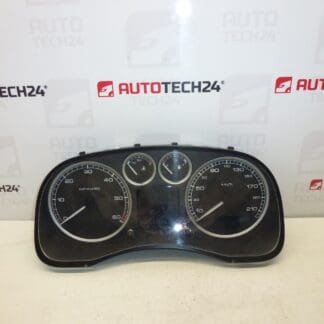
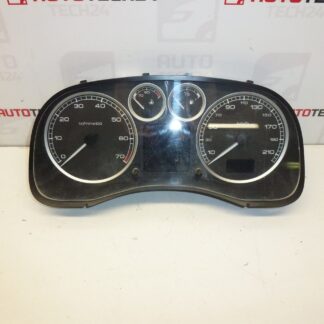
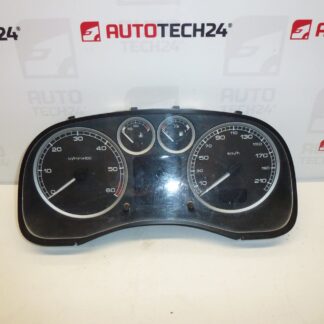
Tachometer for Peugeot 307 facelift. From a vehicle with mileage 199,642 km.
Product Overview
Used instrument cluster (speedometer) for the Peugeot 307 facelift, ideal for workshops and DIY mechanics looking to replace a faulty dashboard unit. This cluster displays speed, odometer, warning lights and basic trip information. Supplied as a complete unit removed from a vehicle with 199,642 km on the clock. Commonly searched by part numbers, this item is suitable when replacing a damaged or non-functioning instrument cluster in facelifted Peugeot 307 models.
Key Benefits
- Direct fit for Peugeot 307 facelift instrument panel openings and mountings.
- Complete used unit including gauges, display and connector block.
- Cost-effective alternative to new units for repair and refurbishment projects.
- Searchable by OE and supplier codes (useful for faster identification during procurement).
How The Part Works
The instrument cluster collects signals from vehicle sensors and electronic control units and converts them into visual readouts: speedometer needle, digital odometer reading, fuel level, engine warnings and indicator lights. It typically contains stepper motors for analogue needles, an electronic board with microcontrollers and a display module for odometer and warning messages.
Technical Information
- Manufacturer: Stellantis / Peugeot
- Model: Peugeot 307 (Facelift)
- Product Codes: 9654485280, 6106N4
- Other Numbers: A01, 6106N5, 6103K3
Installation Recommendations
- Always disconnect the battery before removal and installation and follow the manufacturer procedure to avoid damage to the unit.
- Remove surrounding trim panels carefully to access the cluster mounting screws. Keep fasteners and clips organized for reassembly.
- Unplug electrical connectors by releasing locking tabs; avoid pulling on wiring harnesses.
- Install the replacement cluster in reverse order. Reconnect the battery only after all connectors are secured.
- After installation, verify all gauges, warning lights and illumination. Some functions may require a diagnostic tool for initialization or coding.
- If available, use PSA diagnostic equipment (DiagBox/Lexia/PP2000) for final checks and any required configuration.
Common Failure Reasons
- Worn or failed stepper motors that drive the analogue needles, causing jittery or non-moving gauges.
- Display or backlight failures (faded or blank odometer/readout), often caused by degraded LEDs or connections.
- Corroded or damaged connector pins and poor contacts due to moisture ingress or previous repairs.
- Solder joint cracks on the printed circuit board from vibration and thermal cycling, leading to intermittent faults.
- Electrical surges or short circuits in the vehicle wiring damaging the cluster electronics.
Replacement Procedure (Quick Guide)
- Disconnect battery negative terminal and wait a few minutes.
- Remove trim and unscrew the cluster retaining screws.
- Carefully pull the cluster forward and disconnect all wiring connectors.
- Fit the replacement unit, reconnect connectors and secure with screws.
- Reconnect the battery and perform a system check; use diagnostic equipment to clear any codes and confirm functionality.
Why Choose This Unit
This instrument cluster is a practical choice for mechanics and experienced DIYers who need a ready-to-fit replacement part for a Peugeot 307 facelift. Supplied from a vehicle with known mileage, it reduces downtime compared to sourcing a new OEM unit and is searchable by OE numbers (e.g., 9654485280) to help you quickly confirm fitment against repair records or parts catalogs.
Notes
Unit Is Supplied As Removed From Vehicle. Mileage Shown On The Cluster Reflects The Donor Vehicle. Some Functions May Require Diagnostic Initialization Or Coding With Appropriate PSA Tools.