Description
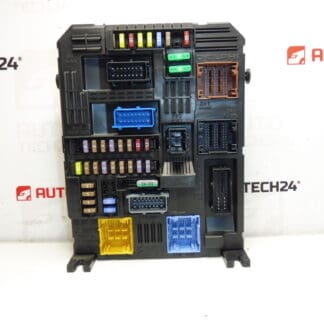
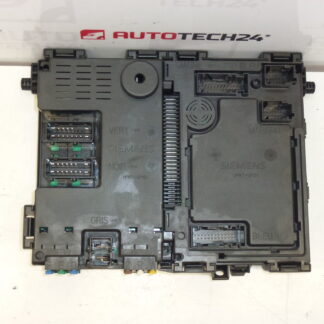
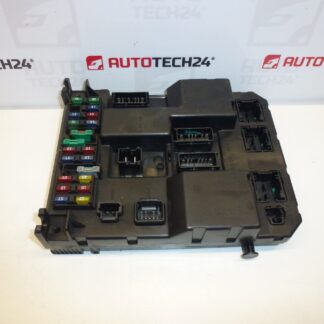
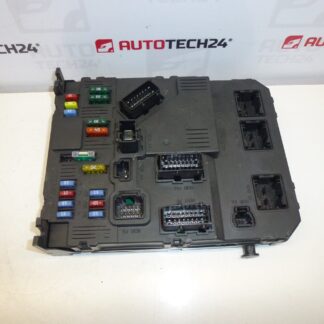
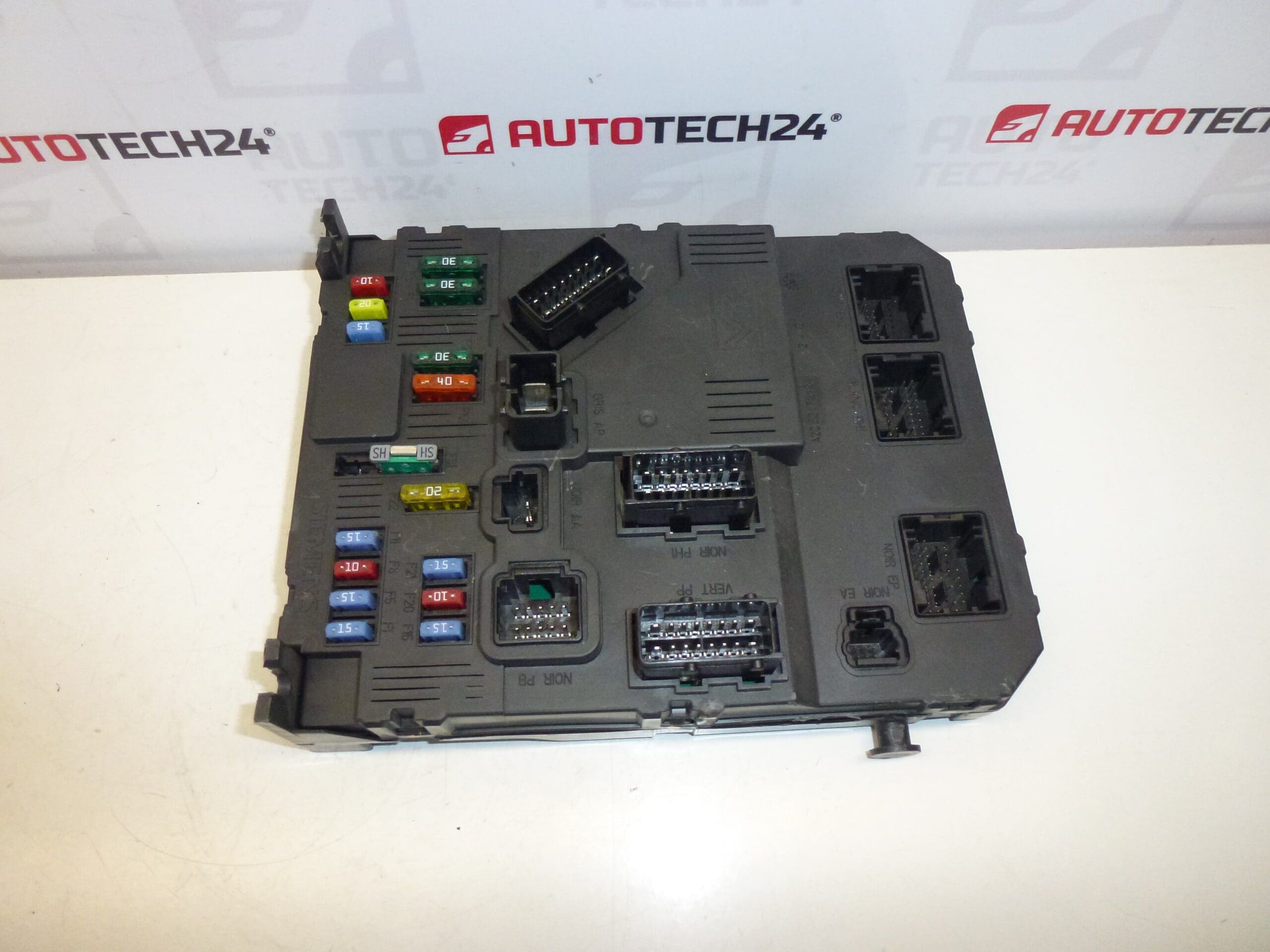
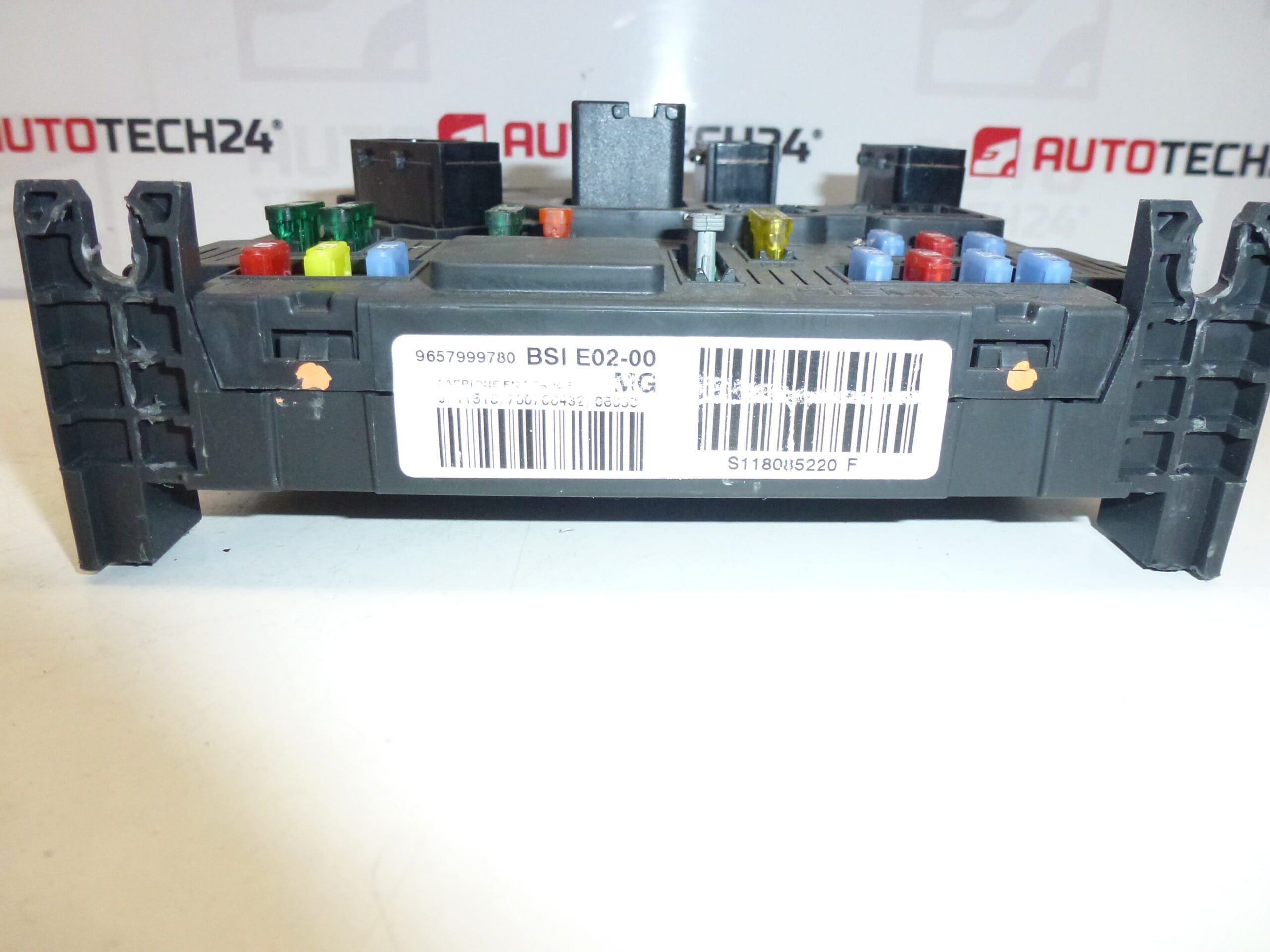
SIEMENS BSI E02-00 MG. Fits models Citroën Xsara Picasso, Berlingo II, Peugeot 206, Partner II.
This Siemens BSI (Body Systems Interface) unit is a central comfort and body control module used on a range of PSA group vehicles. Designed to manage lighting, central locking, wipers, indicators, interior lighting, and other convenience functions as well as communication with the immobiliser and instrument cluster, this module is a common replacement part for older Citroën and Peugeot models. The unit is supplied with the common product and reference numbers used by mechanics and spare-part searches.
Why Choose This BSI
For professional workshops and DIY mechanics, this BSI offers direct compatibility with several popular PSA platforms, reducing diagnostic time and restoring full vehicle functionality. The unit is particularly useful when symptoms point to intermittent central locking, persistent warning lights, or loss of multiple comfort functions. Stocked reference numbers increase the chance of a quick match when searching by part code.
Technical Information
- Manufacturer: Siemens
- Model: BSI E02-00 MG
- Product Codes: 9657999780, S118085220 F
- Additional Numbers: 6580FF, 6580YZ, 1650883280, 1650882580, 6580EZ, 1612812380
Compatibility
Commonly fitted to Citroën Xsara Picasso and Berlingo II, and to Peugeot 206 and Partner II variants. Use the listed product codes when searching stock or service databases to improve the chance of a correct match.
Replacement Procedure (Overview)
Replacing a BSI requires basic dash trim removal and access to the unit, typically located behind the lower dash or glovebox area depending on the model. Procedure overview for experienced technicians:
- Disconnect the vehicle battery before any work to avoid damage to electronics and airbags.
- Remove necessary trim panels to access the BSI and unscrew mounting fasteners.
- Carefully unplug electrical connectors—do not force or pull on wiring harnesses.
- Install the replacement unit mechanically, then proceed with the chosen commissioning method (cloning or virginization and programming).
- Reassemble trim, reconnect the battery, and verify all functions after commissioning.
Installation And Coding – Important
- The unit is used and is paired to the original vehicle (VIN/PIN/keys).
- Commissioning options:
- Cloning data from the old unit (EEPROM/Flash) – after cloning the unit is plug and play.
- Virginization and subsequent initialization/telecoding via DiagBox (or online) + key adaptation.
- Recommended to be carried out by a specialist with PSA service equipment (DiagBox/Lexia/PP2000).
- Always disconnect the battery before removal/installation and follow the manufacturer’s procedure to avoid damaging the unit.
Installation Recommendations
Perform commissioning using PSA diagnostic tools when possible to restore immobiliser functions and to avoid unexpected faults. If cloning, ensure a verified EEPROM/Flash read from the donor unit. Keep connectors and pin contacts clean and dry; apply dielectric grease only where indicated by service procedures. Work in a static-safe environment and avoid short circuits during connector handling.
Most Common Failure Causes
BSI failures on these models are most often caused by moisture ingress and corrosion at the connector pins, electrical surges (for example, from jump-starting or alternator faults), or internal component aging such as failing capacitors. Faults commonly present as intermittent or total loss of central locking, malfunctioning interior lights, false warning lights, non-functioning wipers or indicators, and immobiliser/starting issues.
Practical Notes For Workshops
When diagnosing, start with a clean visual check of connectors, fuses, and ground points. Use a competent scan tool to read stored fault codes and monitor CAN/lin bus activity. If replacing the BSI, plan whether cloning or fresh programming will be used to minimize vehicle down-time and ensure full feature recovery.
This product is intended for experienced technicians and competent DIY mechanics familiar with vehicle electrical systems. Follow safety precautions and manufacturer procedures during all steps.