
Description
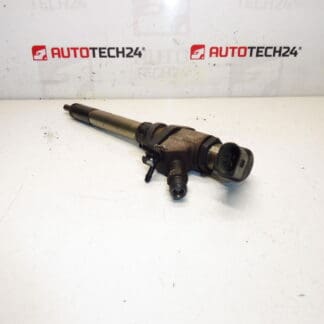
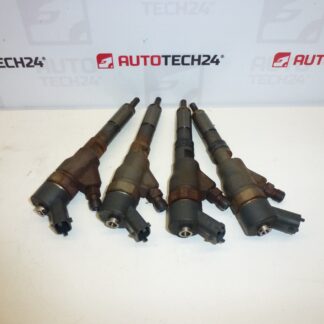
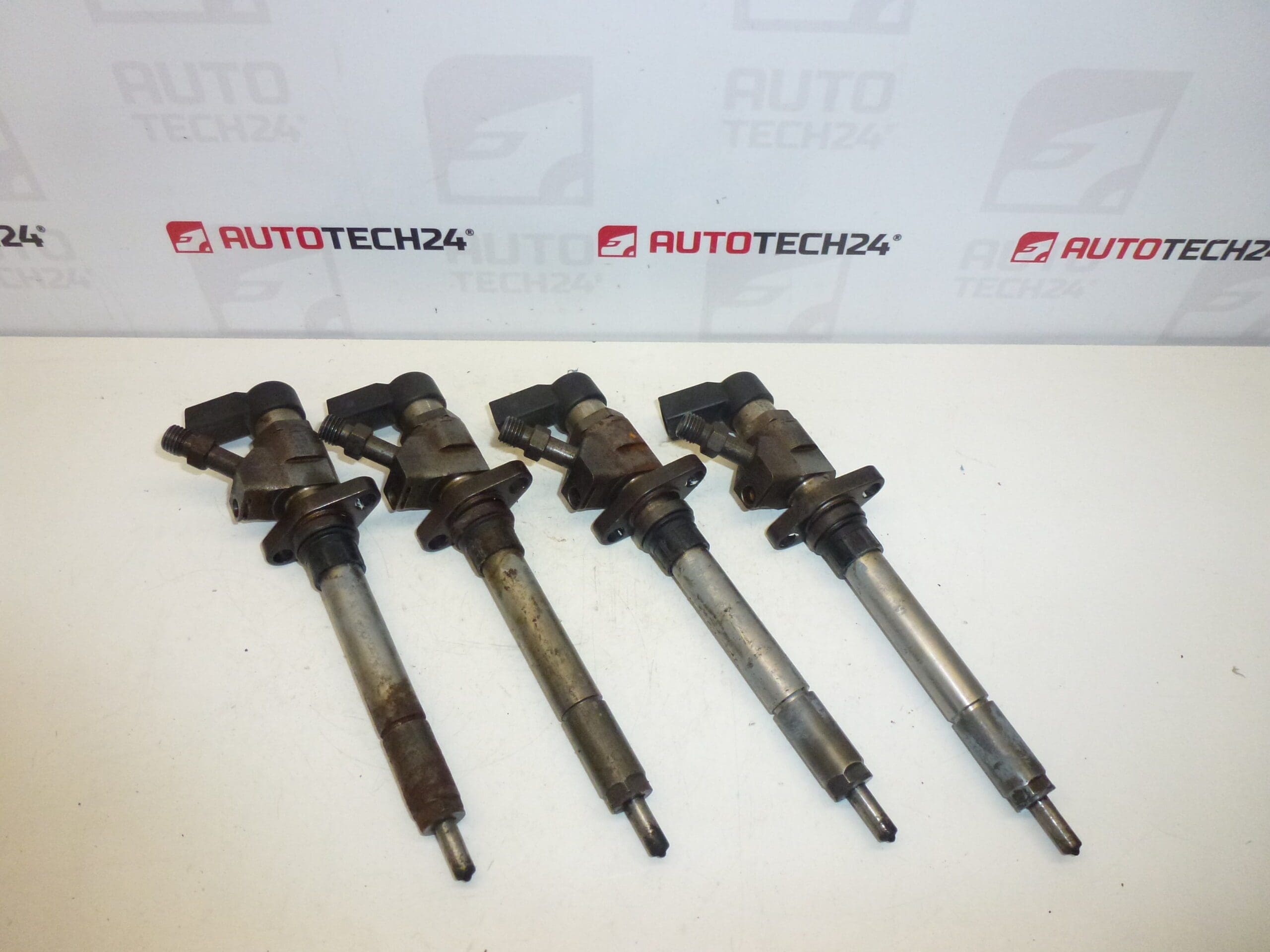
Set of SIEMENS injectors for 2.0 HDi (100 and 103 kW), Class M. Suitable for Citroën, Fiat, Ford, Peugeot, and Volvo. Removed from a vehicle with 135000 km; the exhaust system was completely clean and the FAP (DPF) operated flawlessly.
This Siemens injector kit is a direct-fit solution for many 2.0 HDi common-rail diesel engines and is often searched by OEM references—ideal for professional mechanics and experienced DIY enthusiasts who repair PSA-platform vehicles. The set restores correct fuel atomization and injection timing, reducing rough idle, misfires, excessive smoke and poor fuel economy caused by degraded or leaking injectors. Listing key part numbers in the description increases findability for customers searching by code (9658194180, 1980K8, 1980Z4).
Technical Information
- Manufacturer: Siemens
- Model: 2.0 HDi (100 / 103 kW) Class M
- Product Codes: 9658194180, 1980K8, 1980Z4
- Additional Numbers: Use Above References For Cross-Checking
- Examples Of Compatible Models: Citroën C4 Picasso, Citroën C5, Citroën C5 X7, Peugeot 307, Peugeot 407 (and other vehicles equipped with 2.0 HDi 100/103 kW engines)
- Mileage Of Origin: Removed From Vehicle With 135000 Km
Installation Recommendations
- Work Should Be Performed By A Trained Technician Or Competent DIY Mechanic With Diesel Experience.
- Before Starting: Relieve Fuel System Pressure And Isolate The Battery When Required By The Vehicle Manufacturer.
- Clean The Area Around The Injectors Thoroughly To Prevent Contamination Entering The Rail Or Combustion Chamber.
- Always Replace Injector Seals And Copper Washers With New Items During Installation.
- Lubricate New Seals Lightly With Clean Engine Oil To Avoid Pinching During Fitment.
- Tighten Injector Hold-Down Bolts To Manufacturer Torque Specifications And Reassemble Fuel Rail Carefully.
- After Fitment: Prime The Fuel System, Check For Leaks, Clear Any Diagnostic Trouble Codes And Perform An Engine Run Test To Confirm Proper Operation.
- Use A Diagnostic Scanner To Monitor Injector Performance And Adaptations If Required.
Reason Why The Part Fails Most Often
Common failure causes for diesel injectors include fuel contamination (water, dirt or varnish from degraded fuel), carbon build-up on the nozzle that alters spray pattern, electrical connector or solenoid failure, and seal deterioration that leads to internal leaks or loss of rail pressure. Poor fuel quality, neglected service intervals, frequent short trips that prevent proper DPF regeneration, and high mileage accelerate injector wear. Symptoms of failing injectors are rough idle, loss of power, increased fuel consumption, visible smoke (black or white), misfires and DPF regeneration problems.
Why Choose This Kit
This set carries OEM-referenced numbers commonly used in parts searches, making it simple to match to the vehicle. It was removed from a vehicle with documented mileage and a healthy exhaust/DPF condition, which can be relevant when assessing remaining service life. Suitable for workshops or experienced owners who replace injectors as part of fuel system maintenance or engine repair.