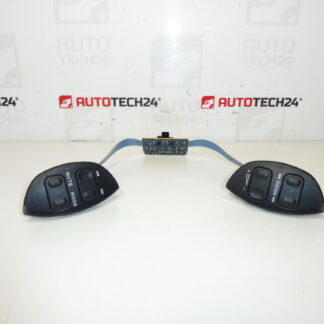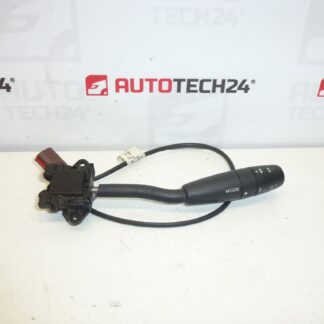
Description
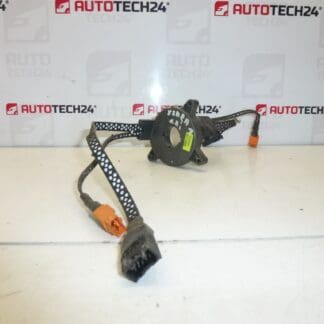
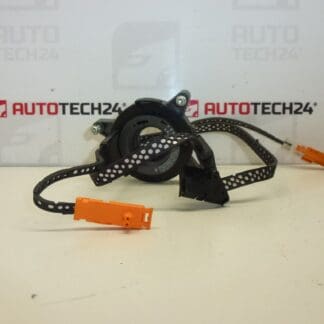
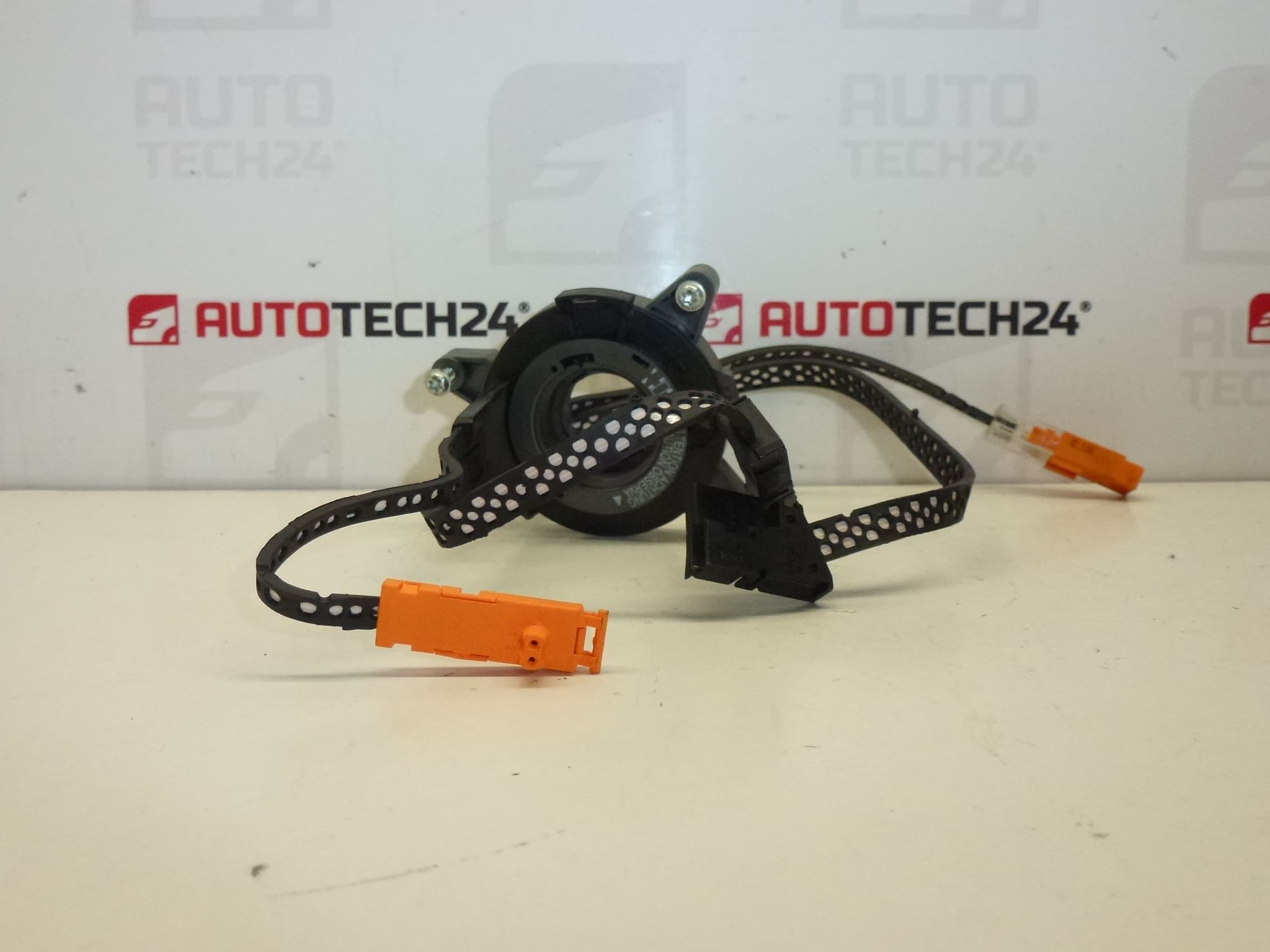
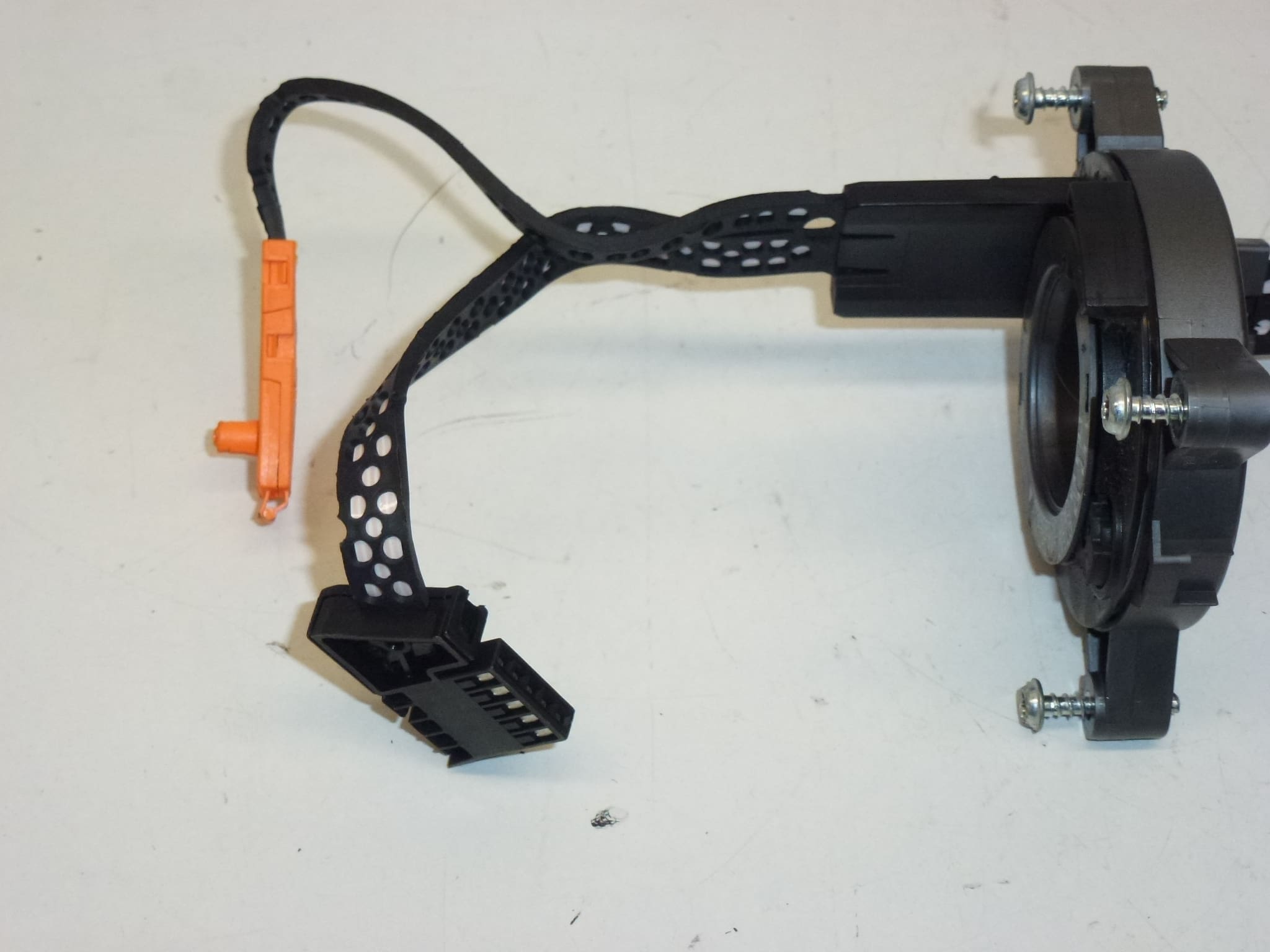
Rotary contact for airbag, horn and car radio for Citroen and Peugeot cars
Part description
The used rotary contact under the Citroën Peugeot steering wheel marked 9635682680 and 4112CP is used for the electrical connection of the airbag, horn and radio control circuits when the steering wheel is turned. It is intended as a spare part when repairing the corresponding design of these systems.
A rotating contact can be the cause of intermittent horn function or car radio control or a defect in the airbag circuit. However, connectors and wiring can also cause the same symptoms, so it is advisable to confirm the actual source of the problem before replacing it. When choosing, compare in particular product numbers, connectors and mechanical design with the original part.
Technical information
- Manufacturer: not specified; Stellantis CITROEN PEUGEOT is mentioned in the documents.
- Model: CITROEN XSARA, Citroën Xsara Picasso, PEUGEOT 306. The categories also include BERLINGO I and PARTNER I.
- Type of part: rotary contact for airbag, horn and car radio.
- Category: electrical components, controls under the steering wheel.
- Condition: used part.
- Other numbers: not specified; additional designation in the documents: NFP.
Models are taken from product labels and categories. The model designation alone does not confirm conformity with all its versions; the corresponding number and execution of the original contact are decisive. Years, engines and equipment details are not listed.
Product codes
- Product codes: 9635682680, 4112CP.
- Additional designation: NFP.
The numbers 9635682680 and 4112CP are the main identifiers for locating this rotary contact and comparing with the original part designation.
Installation recommendations
The following is a general procedure typical of a rotary contact under the steering wheel. The exact steps of disassembly, centering and connection depend on the specific model and make of the car. As the work involves the airbag system, it should be carried out by a person with experience and access to the manufacturer’s service procedure. Do not install without knowing how to safely disconnect the airbag and center the contact.
1) Before assembly
- Compare the markings of the parts, the shape of the body, the fastening elements, the number and design of the connectors and the lines of the leads.
- Check the used contact: it must not have a cracked body, damaged latches, deformed pins or visibly damaged wires.
- Check the condition of the wiring in the car and confirm that the fault is indeed related to the rotary contact.
- Verify the correct center position according to the manufacturer’s documentation. Do not freely rotate the inner part of the contact and do not search for the center by violently turning to the stops.
2) Necessary tools and materials
Usually you need hand tools corresponding to the connections used, tools for careful disassembly of covers, a torque wrench for connections with prescribed tightening and diagnostics suitable for the given car. Prepare a clean storage area and service documentation. The need for any new fasteners is governed by the manufacturer’s instructions.
3) Step-by-step assembly procedure
- Secure the vehicle securely, set the wheels in a straight line and keep the steering wheel in the appropriate position.
- Turn off the ignition and disconnect the battery according to the manufacturer’s procedure. Before working on the airbag, observe the waiting time specified by the manufacturer.
- According to the service documentation, loosen the necessary covers and possibly the airbag module. Disconnect the connectors by their body only after releasing the fuses, not by pulling on the wires.
- Store the disassembled airbag module according to the manufacturer’s safety instructions. Protect it from dropping, heat and unwanted electrical connection.
- If access requires removal of the steering wheel, record relative position per service procedure and use prescribed removal method. Prevent the steering wheel from turning unintentionally.
- Note the wiring route and position of the original contact, disconnect its connectors and loosen the fasteners.
- Compare both parts side by side and check the seating positions and connectors in the car. Resolve the damaged connection before fitting a replacement contact.
- Set and secure the replacement contact in the correct center position exclusively according to the procedure for the given design. If the position cannot be determined reliably, do not continue with the assembly.
- Fix the contact, connect the connectors and route the wiring along the original route so that it is not stretched or pinched. Release any transport arrest only at the moment prescribed by the manufacturer.
- Reassemble the dismantled components, observe the prescribed tightening of the connections and secure all connectors. Connect the battery and commission the system according to the manufacturer’s safety procedure.
-
4) Post-assembly checks and function verification
- Verify that the steering operates freely with no unusual resistance, rubbing or noises.
- Check the function of the horn and the control of the car radio according to the equipment of the car.
- Verify the correct behavior of the airbag warning light and perform a diagnostic check. Carry out any follow-up actions only according to the documentation for the specific car.
- Do the test drive only after a successful check of the steering and safety systems. In the event of a persistent airbag defect or abnormal steering behavior, do not use the car until the cause has been eliminated.
5) The most common assembly mistakes and how to avoid them
- Mounting off-center: may damage the internal linkage when the steering wheel is turned. Always perform centering according to the documentation.
- Confusion of similar-looking designs: identical appearance is not enough; compare numbers, connectors and fixings.
- Pinched wiring or loose fuses: before covering, check wiring and secure connections.
- Inappropriate electrical testing: Do not connect a regular multimeter or tester to the airbag detonator circuits. Use only the manufacturer’s approved diagnostic procedure.
- Turning on the power with the system disconnected: connect the battery only after completing the assembly and checking the connection.
Reasons why the part is damaged
For rotary contacts of this type, common causes of damage are:
- Fatigue of the internal flexible connection due to repeated turning of the steering wheel.
- Incorrect centering during assembly or turning the dismantled contact outside its working range.
- Mechanical damage to the body, latches or connectors due to careless handling.
- Stress on the leads caused by pulling on the wiring or pinching it.
- Moisture and dirt which can deteriorate the condition of electrical connections.
These causes describe general failure possibilities, not the identified condition of the piece being offered.