Description
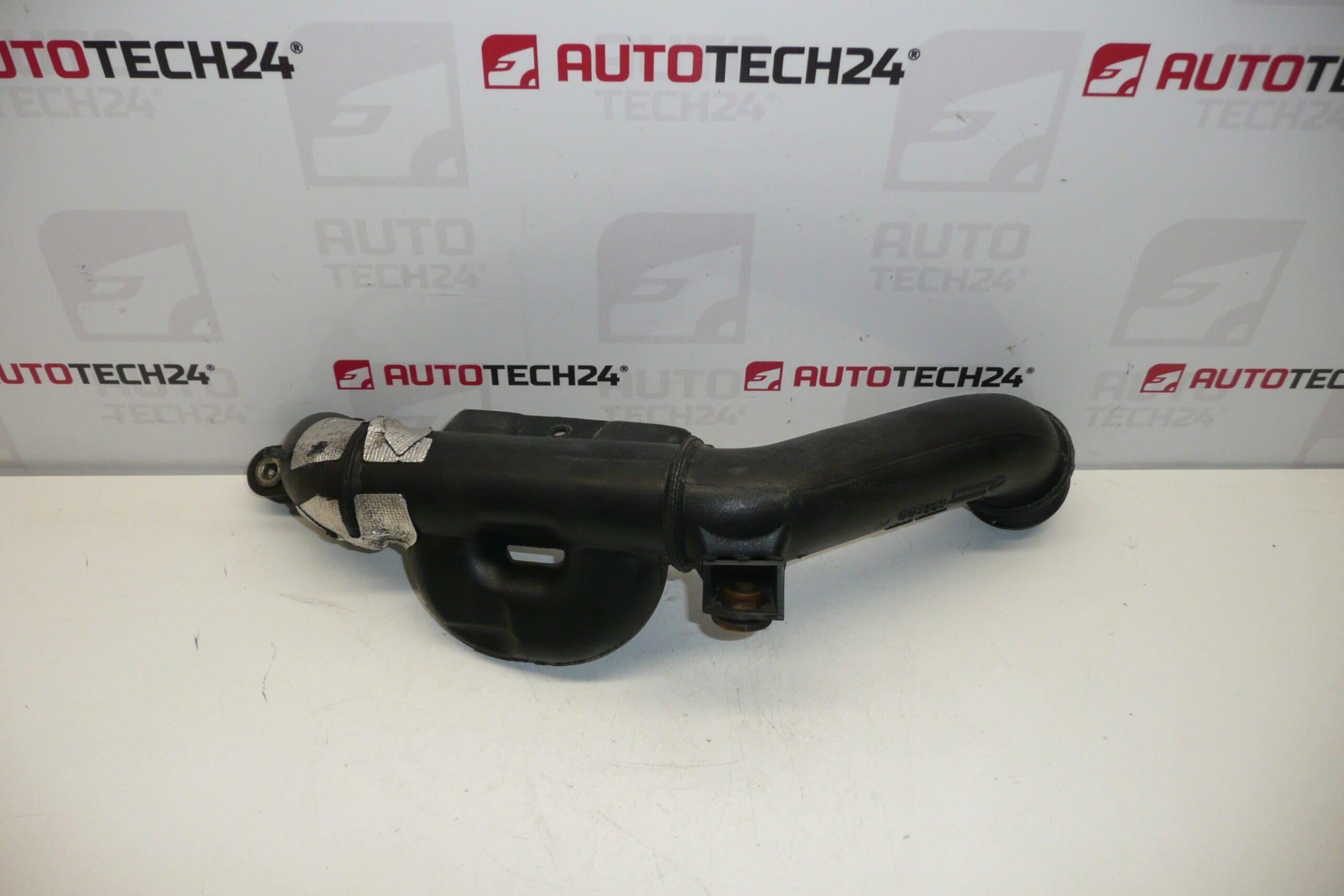
Intake Air Resonator For Citroën And Peugeot Vehicles With 1.6 HDi Engine
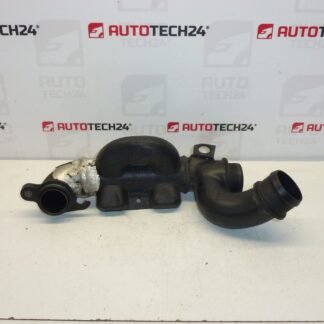
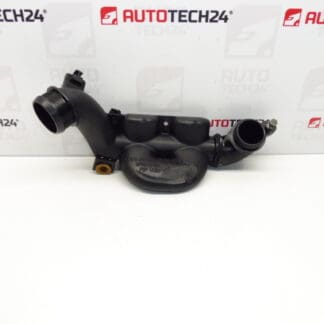
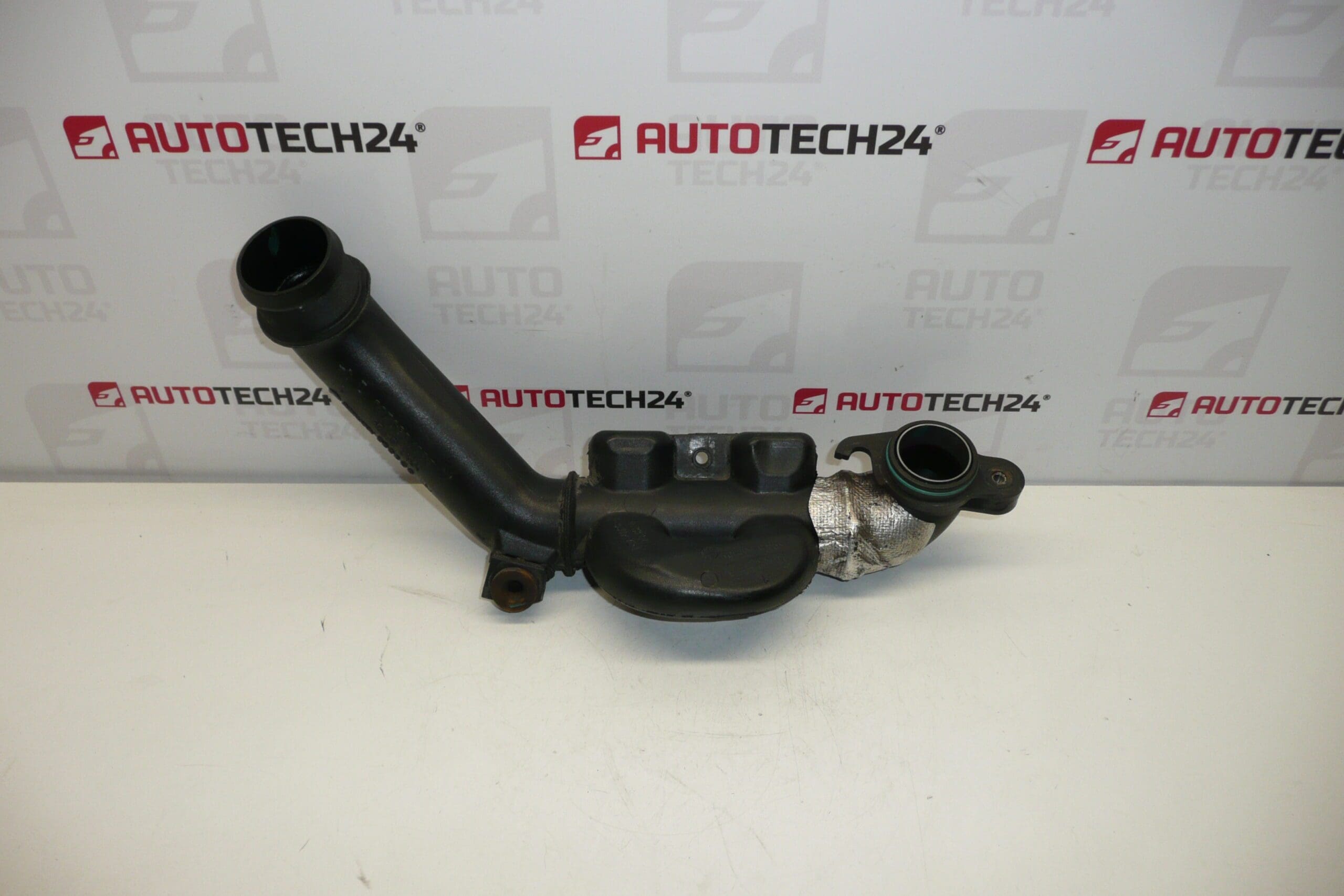
This intake resonator is a direct-fit component for Citroën and Peugeot 1.6 HDi engines (OE references 9654718080 / 144053). Designed for professional workshops and DIY mechanics, the unit reduces intake noise, smooths airflow pulses and helps maintain stable air delivery to the engine. The resonator is often searched by its product numbers, making it an easy replacement part for routine intake-system repairs.
Key Features
- Direct replacement for OE part numbers 9654718080 and 144053.
- Reduces intake noise and dampens pressure pulsations for smoother idle and response.
- OEM-compatible dimensions and connections for easy swap with original part.
- Suitable for workshop repairs and competent DIY maintenance.
Technical Information
- Manufacturer: Stellantis (Citroën / Peugeot)
- Model: Citroën Berlingo; Citroën Xsara Picasso; Peugeot Partner — 1.6 HDi
- Product Codes: 9654718080, 144053
- Other Numbers: OE 9654718080 / 144053
Fitment And Identification
This resonator fits 1.6 HDi applications used on a range of Citroën and Peugeot models. It is commonly identified and ordered by the OE numbers 9654718080 and 144053. When searching for a replacement, use the OE codes to ensure correct fitment and orientation within the intake tract.
Function
The intake resonator is mounted in the air intake tract, typically between the airbox and the intake manifold or turbocharger inlet. Its primary function is to reduce intake noise by damping pressure pulses and to smooth airflow into the engine. A properly functioning resonator contributes to stable idle, reduced induction noise and consistent air mass readings to the engine management system.
Typical Faults And Lifespan
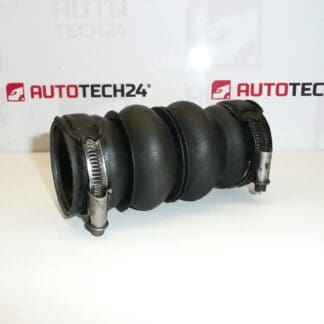
Resonators are made of plastic and rubber hoses that age with time and heat. Common issues include cracks, splits, or degraded hose connections caused by heat cycling, oil contamination, or mechanical stress. Loose or broken clamps and degraded sealing surfaces can lead to vacuum leaks, increased intake noise, rough idle or reduced turbo response. Lifespan depends on operating conditions; inspect the part during intake system maintenance or when symptoms appear.
Installation Recommendations
- Perform replacement on a cool engine and work in a clean area to avoid contaminated intake components.
- Remove the airbox or intake ducting as required to access the resonator. Loosen clamps and carefully detach hoses—avoid tearing old rubber fittings.
- Compare the new resonator to the removed unit to confirm matching ports and orientation before fitting.
- Fit new or inspected clamps and ensure sealing surfaces are clean. Do not overtighten clamps on plastic to avoid cracking; use appropriate clamp type and torque.
- After installation, check all connections, start the engine and listen for intake leaks. Inspect for error codes or irregular idle and clear/diagnose any intake-related fault codes if present.
- Inspect surrounding hoses, MAF connector and airbox seals at the same time—replacing worn items together improves long-term reliability.
Why The Part Commonly Fails
Failure normally results from long-term heat exposure, oil contamination from the crankcase/PCV system, mechanical abrasion or repeated flexing of hose connections. Plastic components can become brittle with age and crack, while rubber connectors can harden and lose sealing capability. Road debris or improper handling during previous repairs can also damage the resonator.