Description
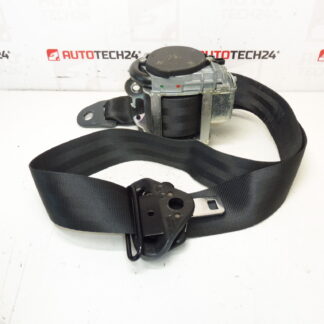
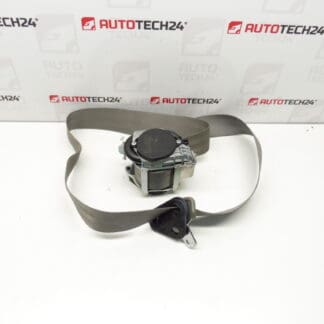
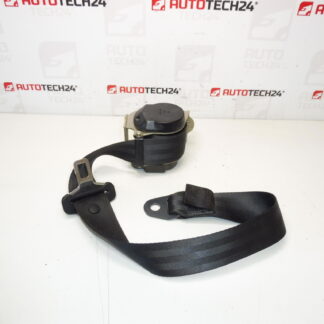
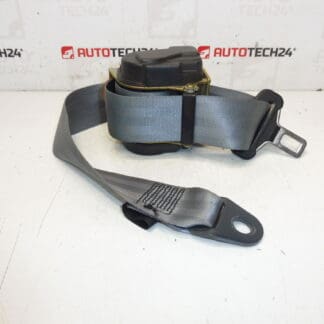
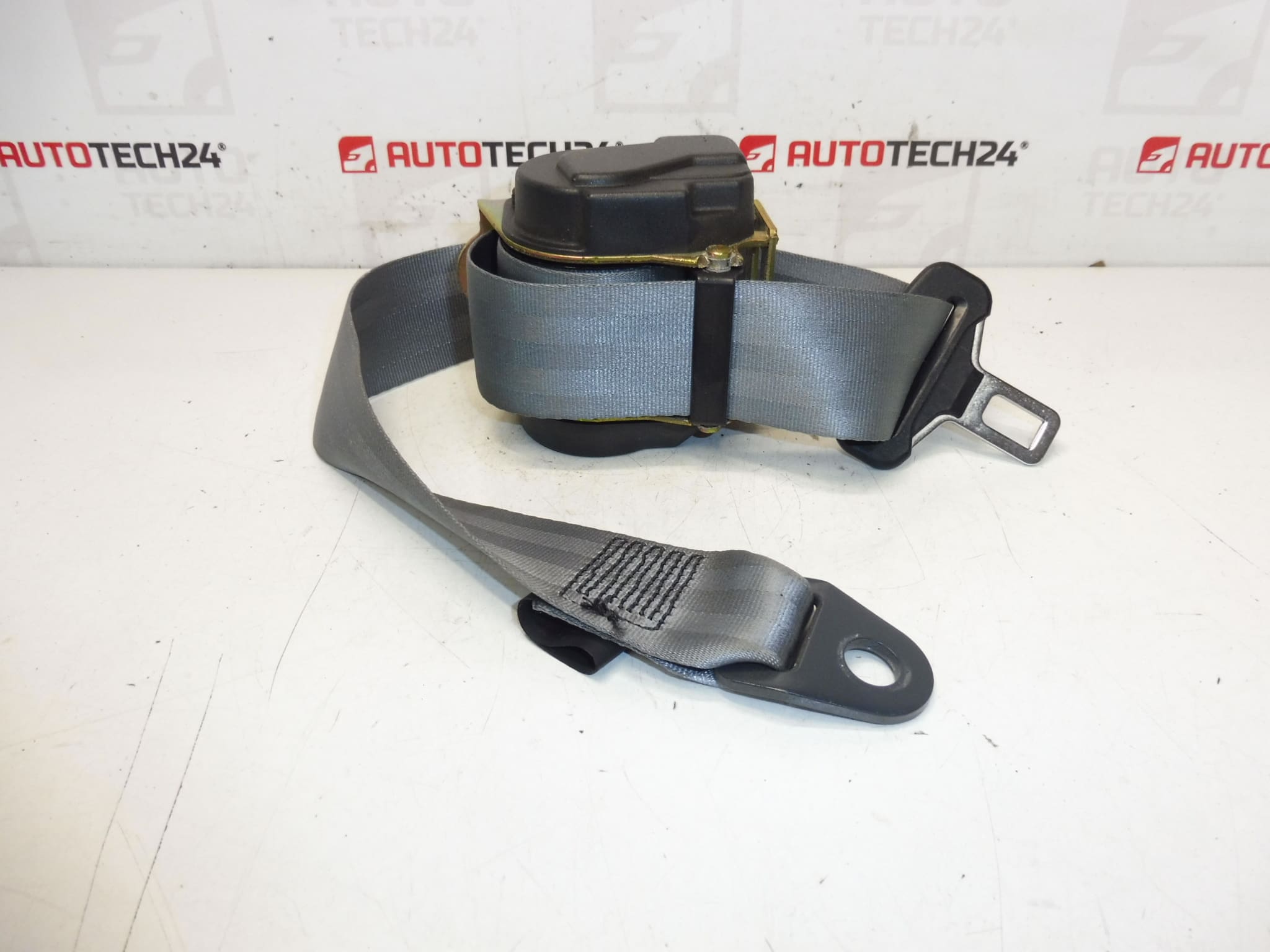
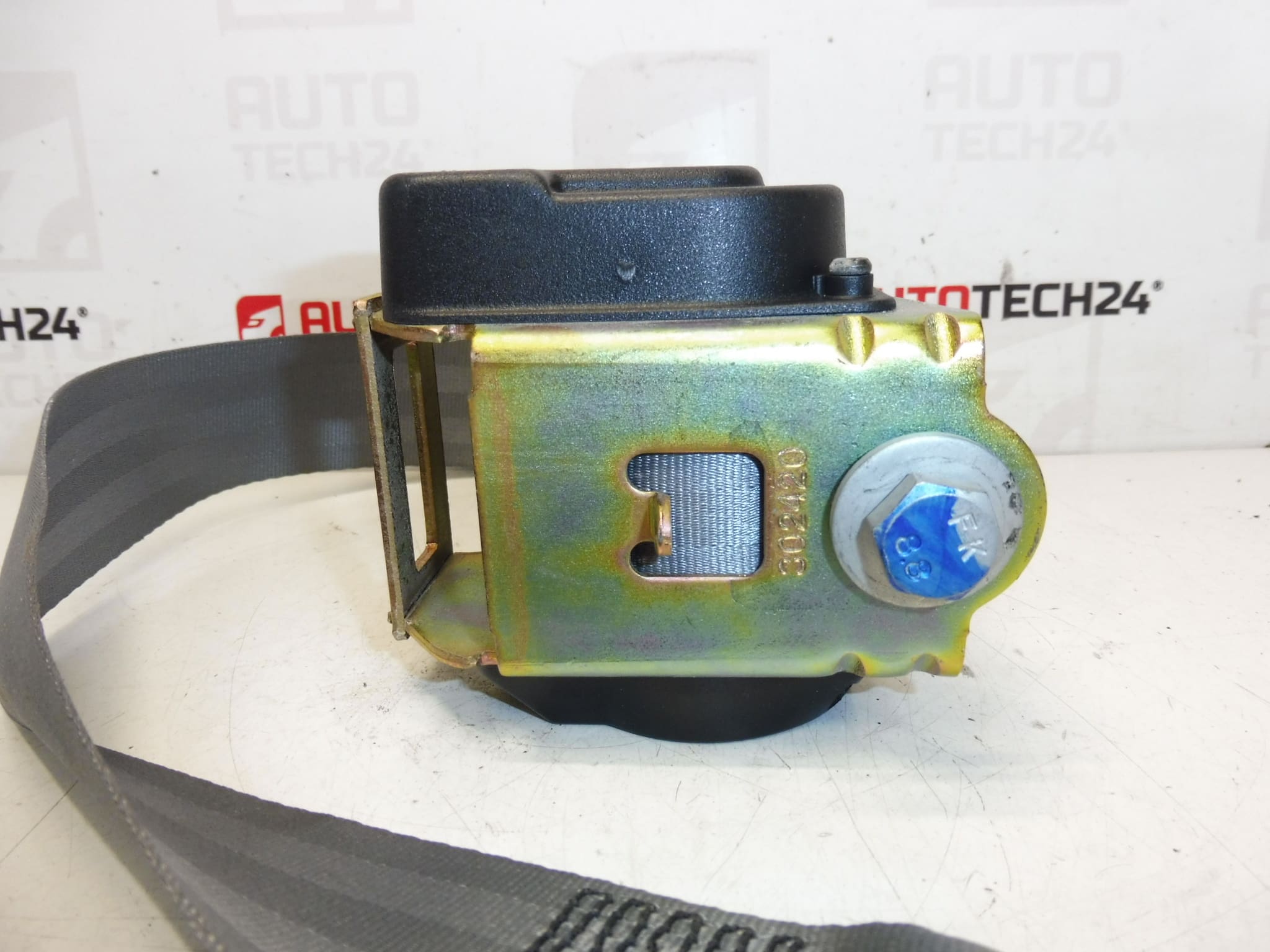
Rear safety belt, left or right, for Citroën Xsara Picasso. Position: Rear, driver side and passenger side. Colour: FGW – DIGIMAT.
Product Overview
Durable replacement rear seat belt designed for Citroën Xsara Picasso models. This belt assembly fits either the left or right rear seating positions (behind the driver or behind the front passenger) and is finished in FGW (Digimat) webbing. Commonly searched by product codes 96314478GW and 8973RZ, it is intended for professional fitters and experienced DIY mechanics who require a direct, serviceable spare part for interior repairs or post-accident restoration.
Key Features
- Direct-replacement rear seat belt for Citroën Xsara Picasso.
- Fits both left and right rear positions (driver side and passenger side).
- Webbing Colour: FGW (Digimat), matching factory interior finish.
- Includes retractor and buckle mounting points as a complete belt assembly.
- Often located by product codes 96314478GW and 8973RZ for quick sourcing.
Technical Information
- Manufacturer: Stellantis / Citroën
- Model: Citroën Xsara Picasso (commonly compatible across model years)
- Product Codes: 96314478GW, 8973RZ
- Other Numbers: Colour Code FGW – DIGIMAT
Installation Recommendations
Proper installation is critical for safety. Follow these general guidelines:
- Disconnect The Battery Before Work: Always isolate the vehicle battery prior to removal to avoid accidental deployment of pyrotechnic devices and prevent electrical faults.
- Remove Interior Trim Carefully: Take off the necessary trim panels to access mounting bolts without damaging clips or trim pieces.
- Inspect Mounting Points: Check anchor brackets and threads for corrosion or deformation and repair as needed before fitting the new belt.
- Ensure Correct Routing: Fit the webbing so it is not twisted or pinched and that the retractor has a free path to wind and lock correctly.
- Tighten To Specification: Fasten anchorage bolts to the manufacturer’s torque specifications and follow the workshop manual for the vehicle.
- Functional Check: Verify belt retraction and locking action, and ensure the buckle latches and releases reliably before returning the vehicle to service.
Why The Part Fails
Rear seat belts typically fail or require replacement for the following reasons:
- Wear And Abrasion: Webbing frays or weakens over time from use, sharp edges, or trapped debris.
- Contamination: Oils, chemicals, or heavy soiling can degrade webbing strength and retractor performance.
- Corrosion Or Damage To Anchors: Moisture and road salt can corrode mounting brackets or fasteners, compromising attachment points.
- Mechanism Failure: Retractor springs or locking mechanisms can seize or fail due to dirt, corrosion, or internal wear.
- Post-Crash Replacement: Any belt subjected to load during a collision (pretensioner activation or heavy loading) should be replaced.
Service Advice
Inspect seat belts regularly as part of routine vehicle maintenance and replace immediately if webbing is cut, frayed, discolored by chemicals, or if the retractor or buckle does not operate smoothly. After any impact event, replace belt assemblies associated with the load path. When in doubt, follow the vehicle manufacturer’s service manual for diagnostic and replacement procedures.
Compatibility And Search Tips
This belt is most often listed under codes 96314478GW and 8973RZ. Use those references when searching parts catalogs to speed up identification. The assembly is intended for Citroën Xsara Picasso rear seating positions; confirm fitment against vehicle trim colour FGW (Digimat) where visual match is required.