Description
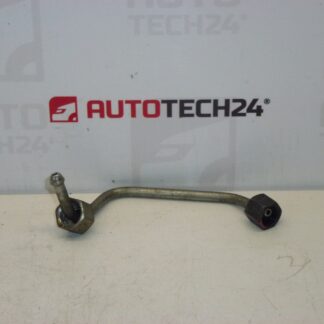
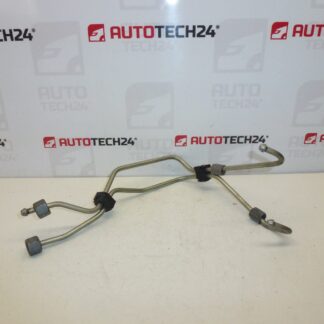
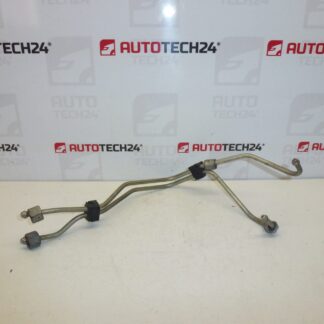
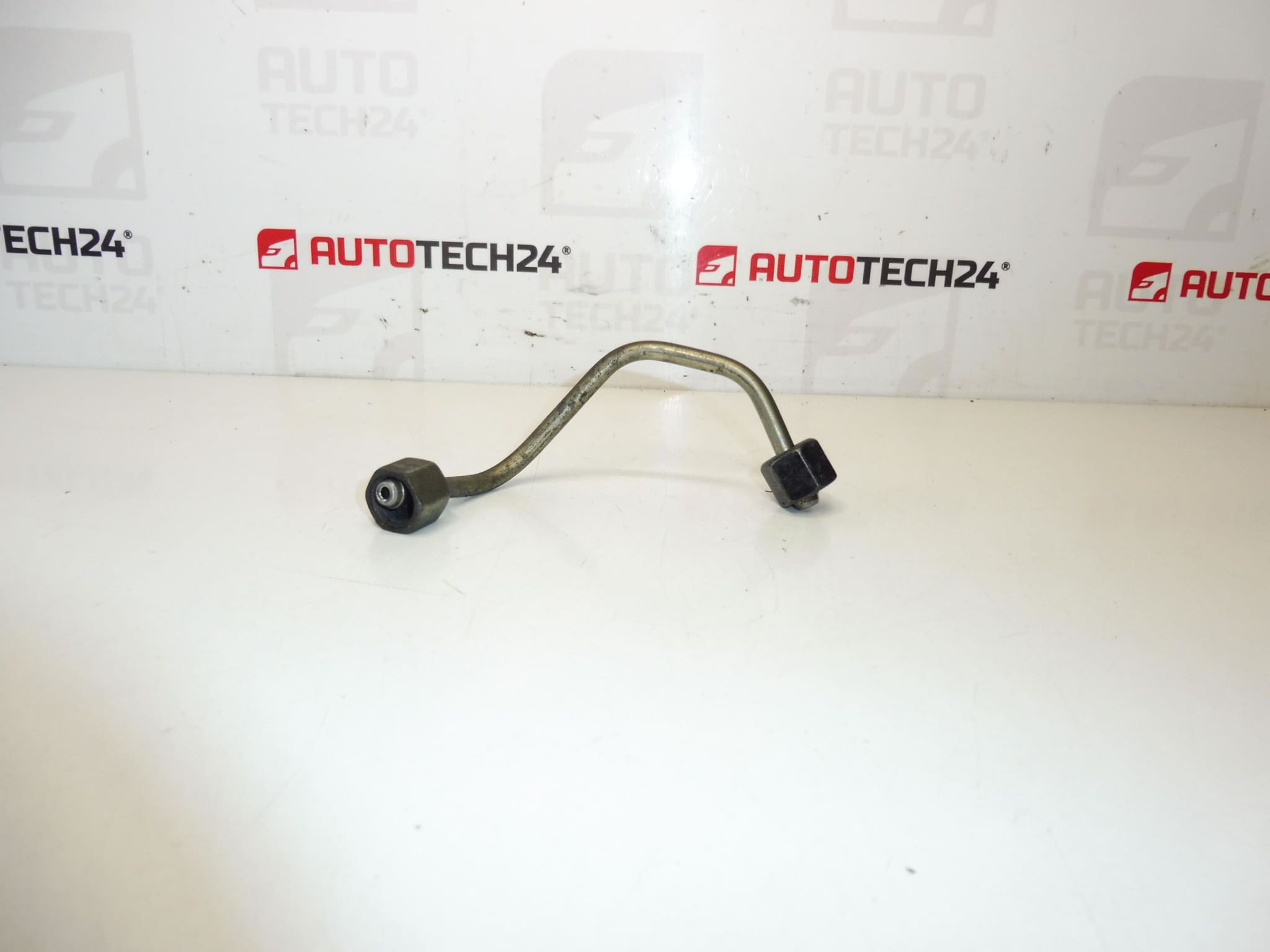
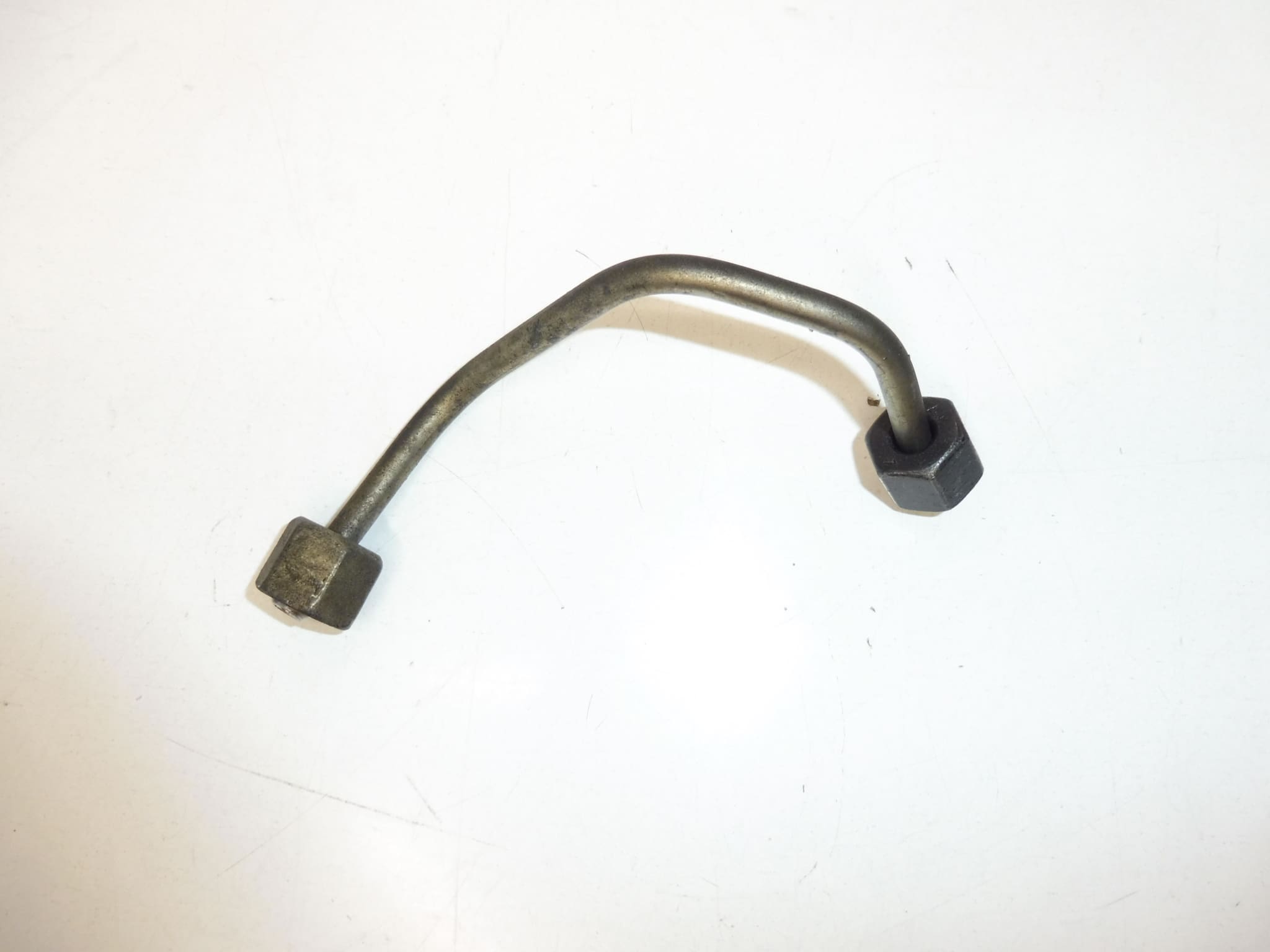
Supply pipe from the pump to the common rail for 1.4 HDi and 1.6 HDi e-HDi engines. Injection pump outlet pipe.
High-pressure feed pipe designed to carry fuel from the injection pump to the common rail on Citroën and Peugeot diesel engines. This precision-formed steel tube ensures reliable fuel delivery under the extreme pressures of modern common-rail systems. Ideal for professional workshops and experienced DIY mechanics who require an exact-fit replacement part often searched by part number 1570P8.
Technical Information
- Manufacturer: Stellantis (Citroën / Peugeot)
- Model: 1.4 HDi, 1.6 HDi e-HDi Engines (Common Rail Feed Pipe)
- Product Codes: 1570P8
- Additional Numbers: Not specified
Fitment and Applications
Fits a range of Citroën and Peugeot vehicles equipped with 1.4 HDi and 1.6 HDi e-HDi common-rail diesel engines. Commonly found on compact cars and light commercial models that use PSA diesel injection systems. Always confirm fitment by comparing the part number and physical connections.
Function and Common Failure Causes
The feed pipe transfers high-pressure fuel from the injection pump to the rail. It must withstand very high pressure, vibration and thermal cycling. Typical causes of failure include external corrosion, impact or mechanical damage, loose or worn sealing washers at the connections, and deterioration caused by contaminated fuel. When the pipe fails, symptoms can include visible fuel leakage, drop in rail pressure, hard starting, rough idling or sudden loss of power.
Replacement Interval and Symptoms
There is no fixed service interval for this component; it is generally replaced on failure or during repair of the fuel system. Replace the pipe immediately if you observe fuel leaks, visible damage, or persistent pressure loss in the fuel rail. Early detection prevents fuel loss and reduces fire risk.
Installation Recommendations
- Work Should Be Performed By A Qualified Technician Or An Experienced DIY Mechanic Familiar With High-Pressure Diesel Systems.
- Depressurize The Fuel System Before Removing Any High-Pressure Components.
- Clean The Surrounding Area Thoroughly To Prevent Contamination Entering The Fuel System During Installation.
- Always Replace Sealing Washers And Any O-Rings At Connections With New Ones; Do Not Reuse Old Washers.
- Use Correct Tools And Adhere To Manufacturer Torque Specifications For All Fittings To Ensure Leak-Free Joints.
- After Installation, Prime The Fuel System And Check For Leaks Under Pressure; Run The Engine And Monitor Fuel Pressure To Confirm Proper Operation.
Why This Part Fails Most Often
Failures Typically Result From Corrosion, Mechanical Damage (Impact Or Vibration), Improper Installation Or Reuse Of Sealing Washers, And Contaminated Fuel That Accelerates Wear. Regular Inspection During Fuel System Service Helps Catch Problems Early.