Description
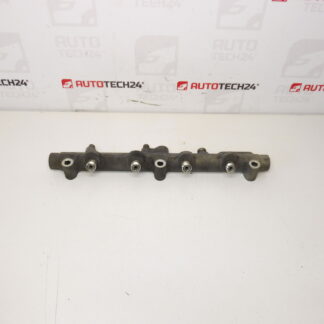
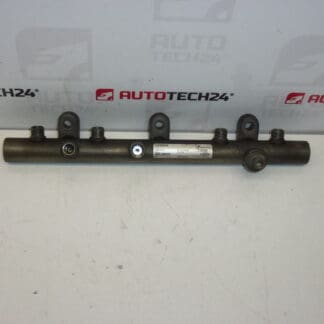
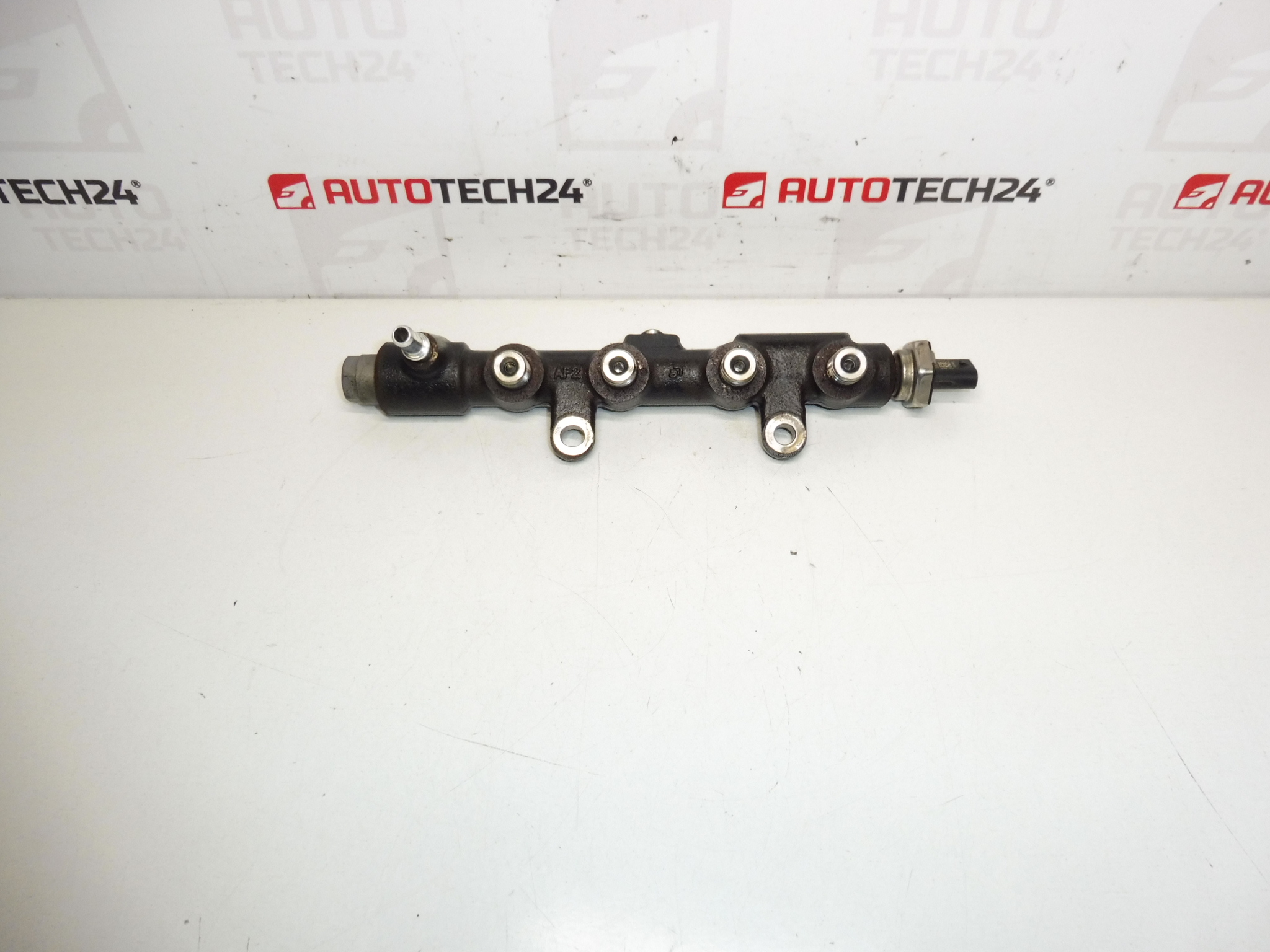
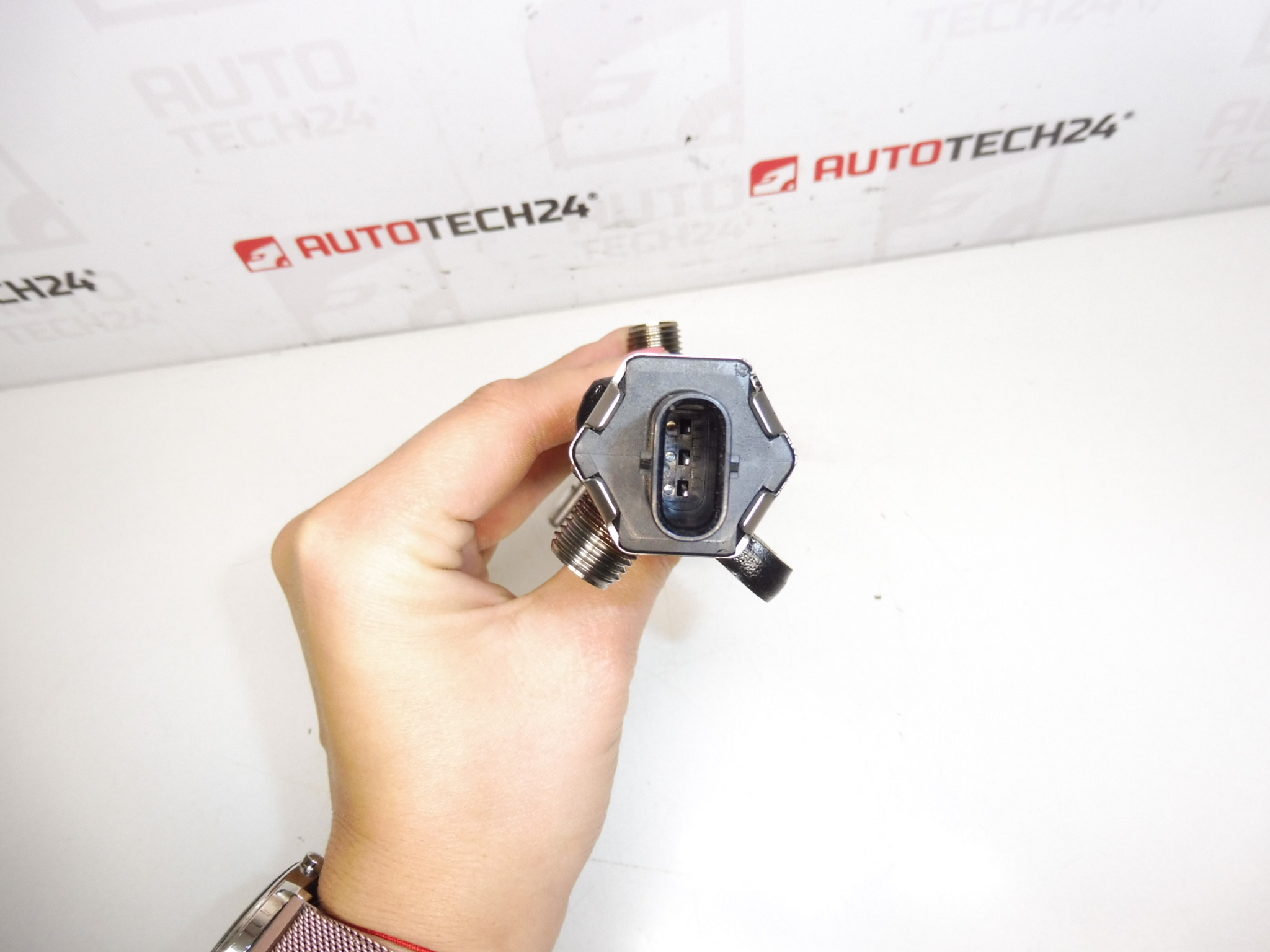
Rail for 1.5 HDI engines for Citroën, Peugeot, Fiat, Opel, Toyota. Supply rail to injectors with fuel pressure sensor.
Product Overview
This fuel rail is designed for 1.5 HDI common-rail diesel engines and includes the connection for the fuel pressure sensor. It supplies high-pressure diesel to the injectors and is a direct-fit service part for a range of Stellantis-based vehicles. Ideal for professional workshops and experienced DIY mechanics who search by OEM number (9821399680) to find the correct replacement quickly.
Key Features
- Direct-fit rail for 1.5 HDI engines with integrated fuel pressure sensor port.
- OEM Reference: 9821399680 — commonly used as the main search term.
- Designed to distribute high-pressure fuel evenly to all injectors, ensuring stable rail pressure and engine performance.
- Suitable for workshop replacement or skilled home mechanics familiar with fuel-system safety procedures.
Applications
Compatible With Typical Models (Examples): Citroën Berlingo III, Peugeot Partner III, Peugeot Rifter, Fiat Doblo III, Opel Combo E (K9), Toyota ProAce City. Always verify model/year and engine variant when selecting parts by part number.
Symptoms Indicating Rail Or Pressure Sensor Issues
- Engine running rough, unstable idle or misfires.
- Loss of power, hesitation on acceleration or reduced fuel economy.
- Fuel smell around the engine bay or visible leaks at injector connections or rail seals.
- Check Engine Light with fuel-rail-related fault codes (for example P0190 series related to fuel rail pressure sensor circuits).
Replacement Procedure (Overview)
Replacement of the fuel rail should be performed with awareness of high-pressure diesel safety procedures. General steps:
- Relieve fuel system pressure before any work on fuel lines or injectors.
- Disconnect the vehicle battery to avoid accidental cranking and electrical shorts.
- Remove engine covers and components obstructing access to the rail (air intake parts, brackets, etc.).
- Carefully disconnect the electrical connector of the fuel pressure sensor and the high-pressure fuel lines. Cap or plug lines to avoid contamination.
- Unbolt and remove the rail; inspect injectors and sealing O-rings while the rail is off.
- Fit the new rail with new injector seals or O-rings, ensure correct seating of injectors, and torque mounting bolts to manufacturer specifications.
- Reconnect lines and the pressure sensor, bleed the fuel system as required, start the engine and check for leaks and proper rail pressure readings.
Technical Information
- Manufacturer: Stellantis (Citroën / Peugeot)
- Model: Citroën Berlingo III; Peugeot Partner III; Peugeot Rifter; Fiat Doblo III; Opel Combo E (K9); Toyota ProAce City
- Product Codes: 9821399680
- Other Numbers: No Additional Numbers Provided
Installation Recommendations
- Use new injector O-rings and seals whenever the rail is replaced to ensure leak-free operation.
- Keep the work area and components clean — contamination of the common-rail system leads to premature failures.
- Do not reuse damaged fuel lines or connectors; replace any corroded clamps or fittings.
- Tighten rail and injector fasteners to the manufacturer’s torque specifications and follow the correct tightening sequence.
- After installation, prime the fuel system and inspect for leaks before prolonged running. Monitor fuel pressure sensor readings for stability.
Why This Part Most Often Fails
Common causes of fuel rail issues include contamination from poor-quality fuel or degraded injector seals, corrosion and mechanical damage, failure of the fuel pressure sensor or its electrical connector, and wear from high-mileage operation. Leaking O-rings at injectors are a frequent source of fuel leakage and pressure loss. Preventive maintenance—clean fuel, timely injector servicing and replacing seals—extends rail life.
Notes For Mechanics And DIY Technicians
This fuel rail is a critical component of the common-rail system. While experienced DIY technicians can perform the replacement, attention to cleanliness, correct sealing parts and adherence to safety procedures for high-pressure diesel systems is essential. Use diagnostic tools to confirm correct rail pressure and to clear or verify any related fault codes after replacement.