Description
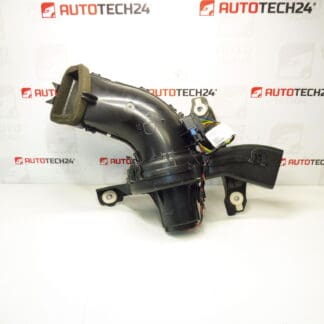
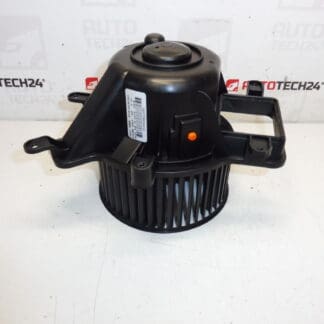
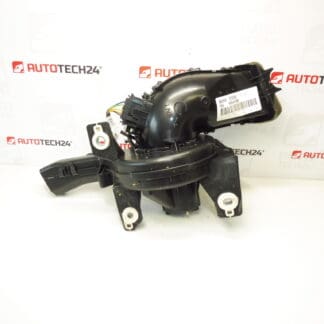
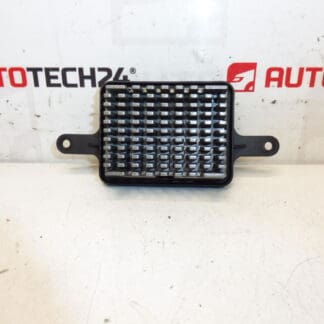
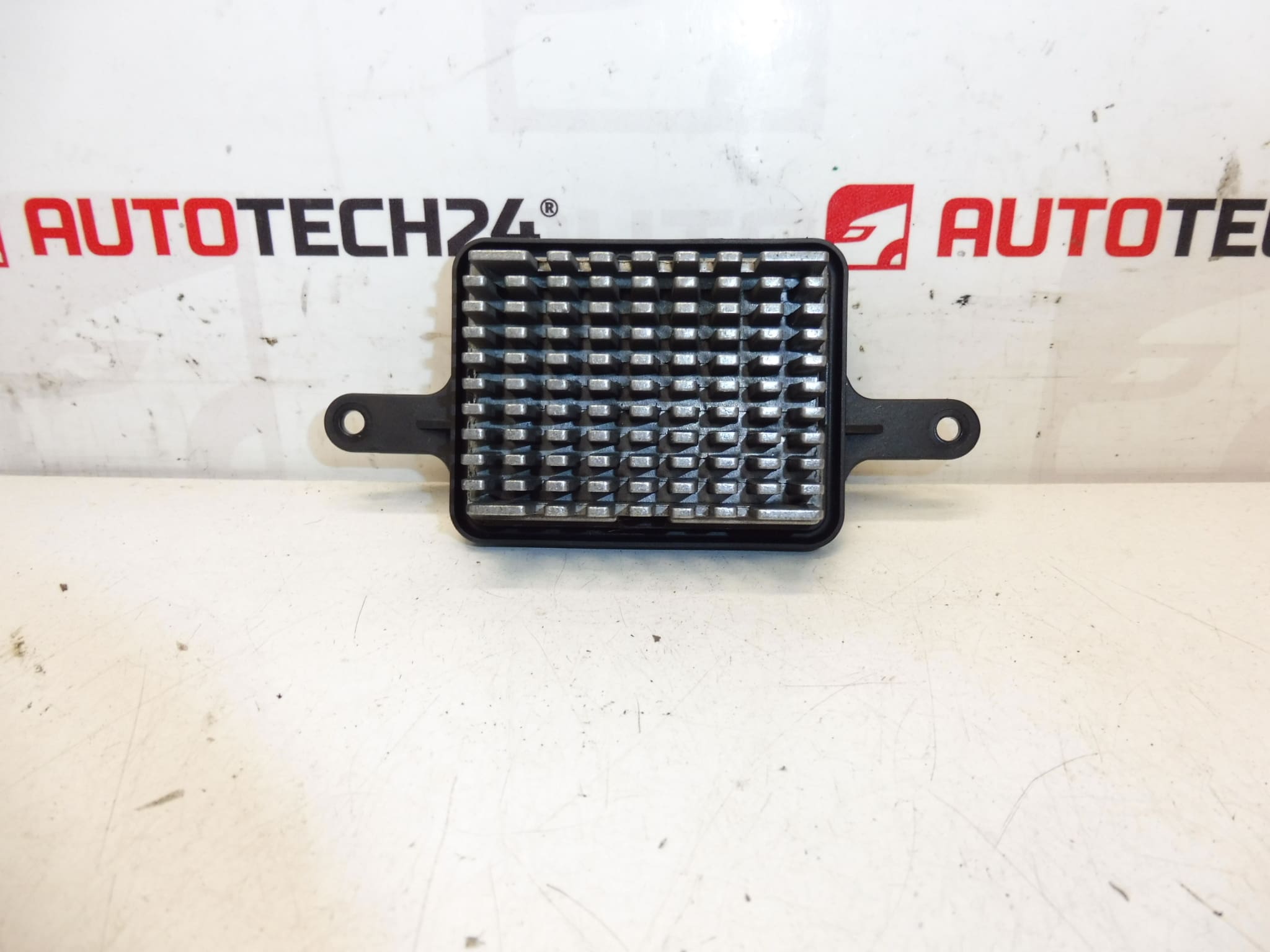
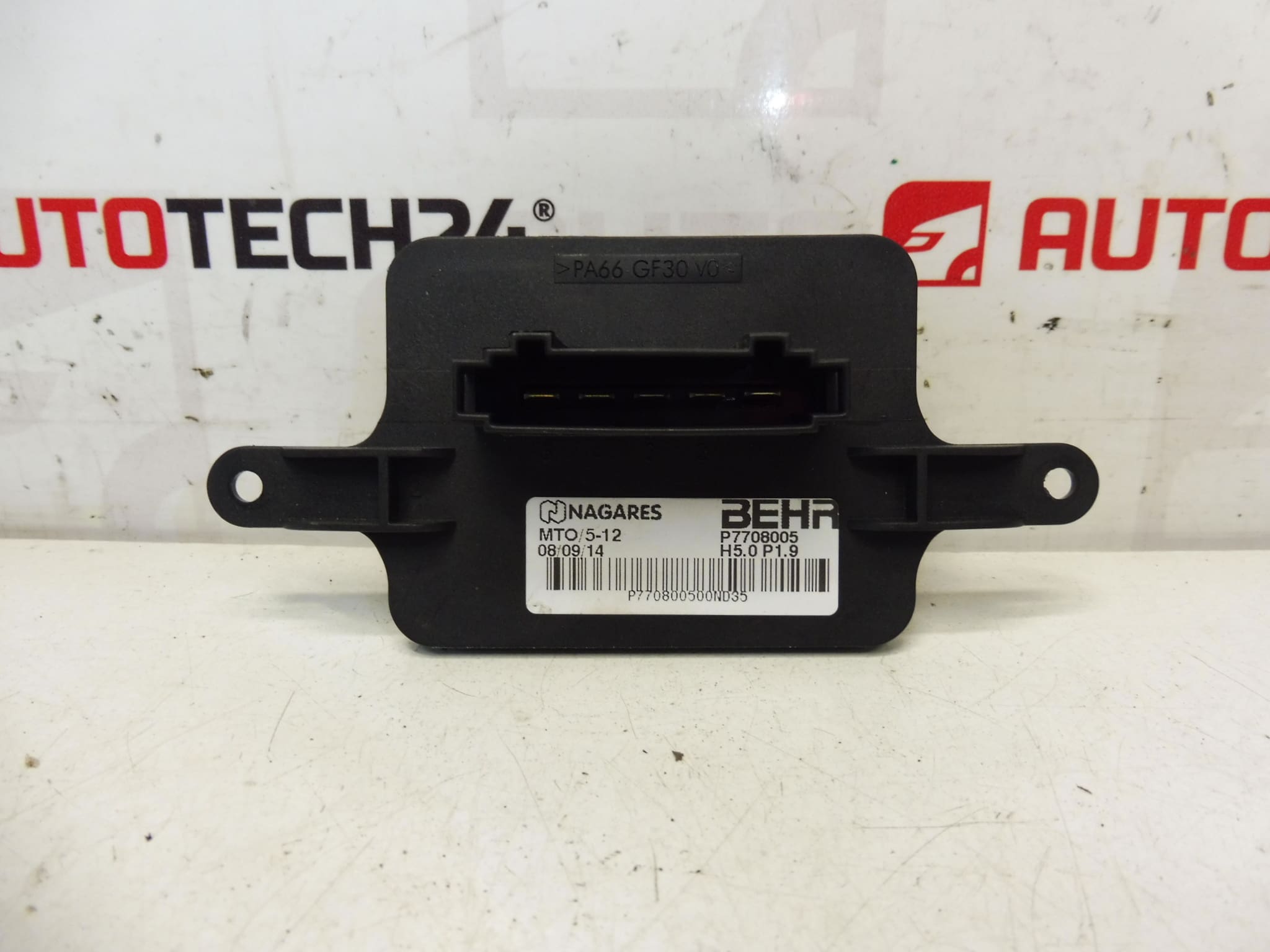
Heater and Air Conditioning Fan Control Module by BEHR for PEUGEOT 3008 and PEUGEOT 5008 First Generation.
Product Overview
This BEHR heater and air conditioning fan control module is designed for first‑generation PEUGEOT 3008 and PEUGEOT 5008 models. It controls blower speed and fan functions for the vehicle climate system, ensuring stable cabin ventilation and automatic climate responses. The part is often searched by reference numbers, so check the product codes below when ordering.
Key Benefits
- Direct fit for specified PEUGEOT models — replaces the original fan control electronics.
- Restores precise blower speed control and reduces intermittent fan operation or loss of certain speed stages.
- Useful for both professional workshops and experienced DIYers who perform climate system repairs.
Function And Typical Symptoms
The control module regulates the blower motor speed by modulating power to the fan according to HVAC commands. Common symptoms of a failing module include loss of blower speeds, blower stuck on one speed (often high), intermittent operation, or complete fan inactivity. Before replacing the module, verify fuses, relays, and the blower motor itself to exclude simpler faults.
Fitment
Intended For: PEUGEOT 3008 I, PEUGEOT 5008 I (First Generation). Confirm compatibility with the vehicle by matching the part number(s) listed below. This module is typically used on models equipped with BEHR climate components.
Technical Information
- Manufacturer: BEHR
- Model: PEUGEOT 3008 I; PEUGEOT 5008 I
- Product Codes: P7708004; P7708003; 6441CQ
- Other Numbers: 6441CQ
Replacement And Installation
Typical Location: The fan control module is usually mounted in or near the heater/air‑conditioning plenum and blower motor assembly, commonly accessible from behind the glovebox or under the dash. Exact location can vary by model and equipment level.
Basic Replacement Steps:
- Always Disconnect The Battery Before Work — remove negative terminal to avoid electrical damage or short circuits.
- Gain Access By Removing The Glovebox Or Lower Dash Panels To Reach The Blower Housing.
- Disconnect Electrical Connector(s) And Mounting Screws, Then Remove The Old Module.
- Install The New Module, Reconnect Connectors, Reassemble Panels, And Reconnect The Battery.
- Check Operation Through All Fan Speeds And Verify Proper HVAC Function.
Installation Recommendations
- Inspect Connectors And Wiring For Corrosion Or Heat Damage; Replace Damaged Terminals.
- Check Related Fuses And The Blower Motor Before Module Replacement To Avoid Unnecessary Work.
- Use Proper Torque On Fasteners And Ensure The Module Is Securely Sealed Against Moisture Where Applicable.
Why The Part Fails
Common Causes Of Failure Include Water Ingress And Corrosion Of Solder Joints Or Connectors, Thermal Stress From Prolonged High Current Loads, Age‑Related Degradation Of Electronic Components, And Voltage Spikes In The Vehicle Electrical System. Failures Are Typically Intermittent At First, Then Progress To Partial Or Complete Loss Of Blower Function.
Notes For Mechanics And DIYers
When sourcing replacement units, customers frequently search using part numbers P7708004, P7708003 or 6441CQ — include these references in your order to speed up identification. For reliable repairs, verify the blower motor and HVAC fuses before module replacement. If uncertain about access or electrical diagnostics, consult factory repair literature or a workshop with experience on PSA/PEUGEOT climate systems.