Description
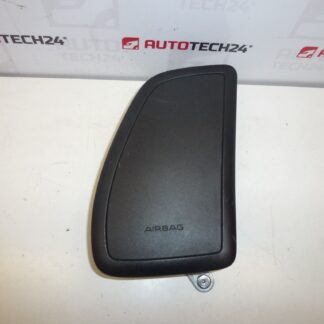
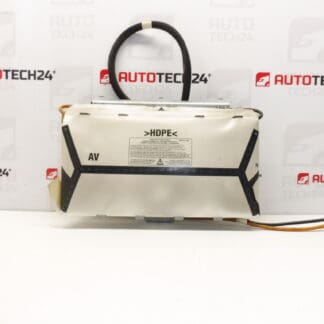
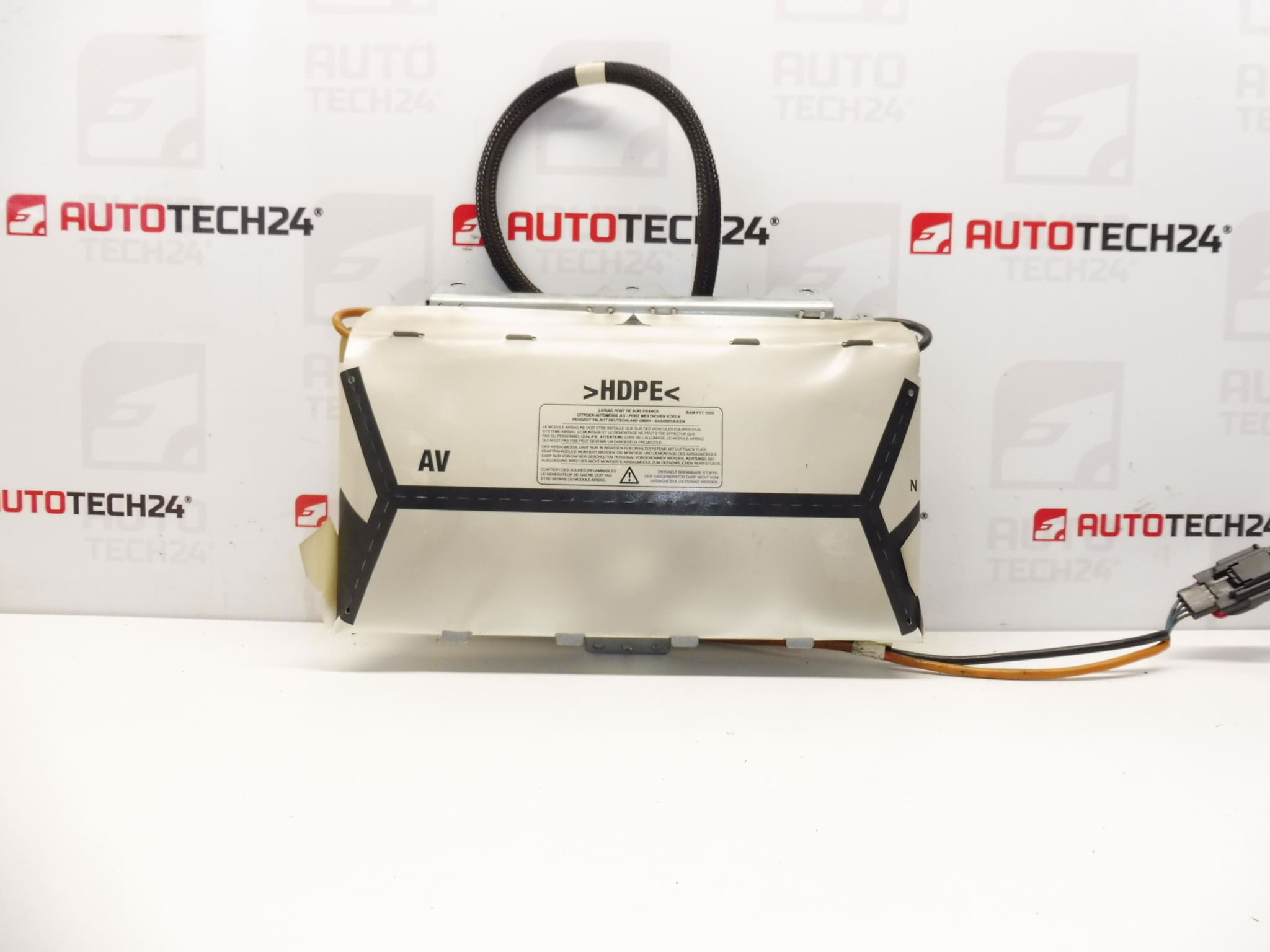
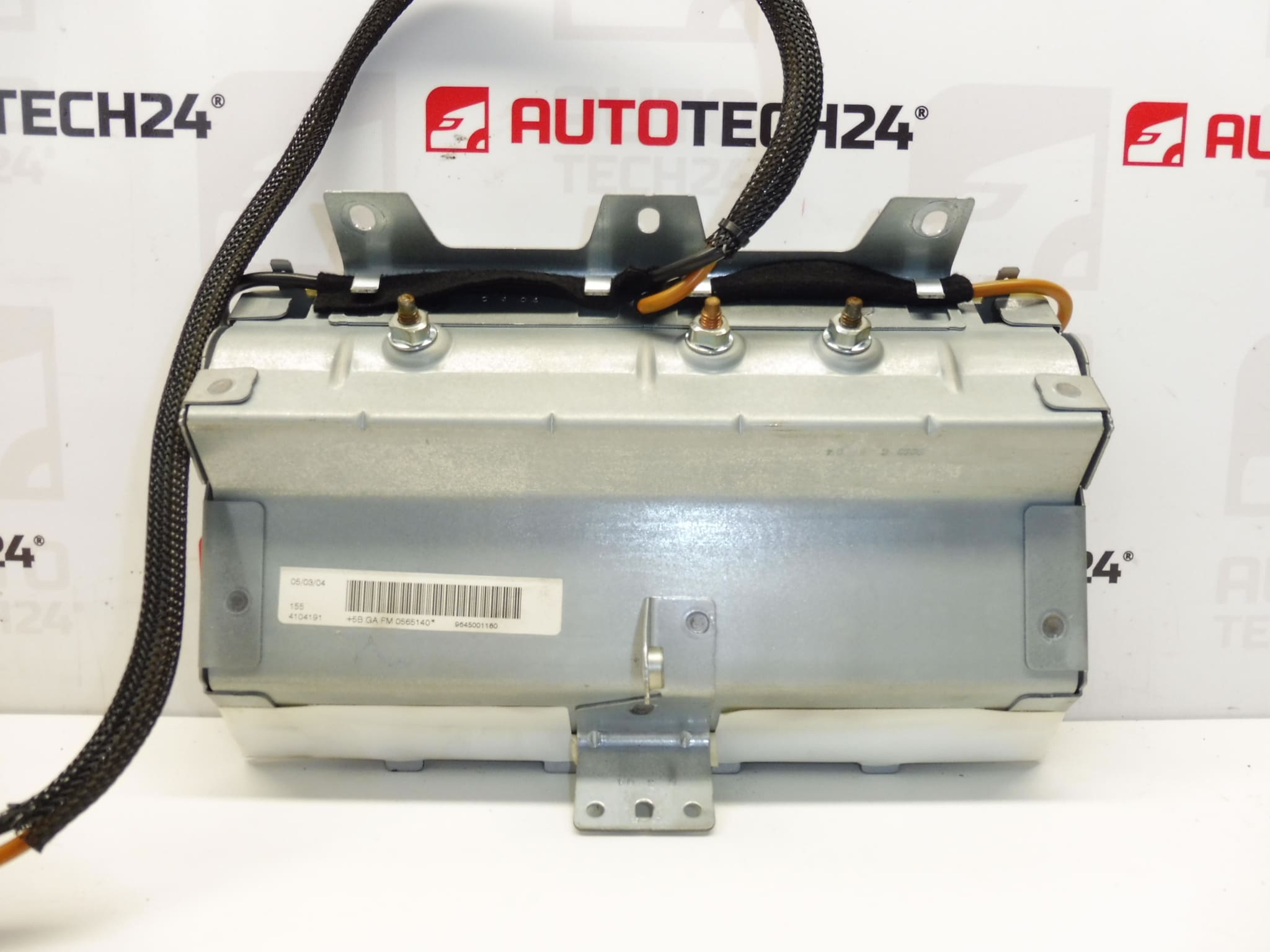
Passenger Airbag for PEUGEOT 307
The Passenger Airbag for Peugeot 307 is an original-equivalent safety module designed to protect front-seat occupants in a frontal impact. Ideal for professional workshops and experienced DIY mechanics, this airbag module is commonly searched by its part numbers 9645001180 and 8216KW. It fits the interior dash assembly and interfaces with the vehicle airbag control system to deploy the inflator when a collision is detected. Replacement of a faulty or deployed passenger airbag restores occupant protection and clears related airbag fault codes when installed and registered correctly.
Technical Information
- Manufacturer: Stellantis (Peugeot/Citroën)
- Model: Peugeot 307
- Product Codes: 9645001180, 8216KW
- Other Numbers: NFP (as marked)
Function and Application
The unit houses a pyrotechnic inflator and the airbag cushion that deploys in the event of a significant frontal collision. It is intended for the front passenger seat of Peugeot 307 models and works in conjunction with the vehicle restraint system (seatbelts, pretensioners and airbag control unit) to reduce the risk of head and chest injuries.
Replacement Procedure
- Disconnect the battery and wait at least 10 minutes (or follow manufacturer-specified wait time) to allow the supplemental restraint system capacitors to discharge.
- Remove dashboard trim pieces to access the passenger airbag module—follow vehicle-specific trim removal guides to avoid breakage.
- Unbolt the airbag module from its mounting points, taking care to support the module to prevent damage.
- Disconnect the airbag electrical connector(s) using appropriate tools and observe connector locking tabs—avoid pulling on wiring.
- Install the replacement module in reverse order using correct torque values for fasteners and ensuring correct connector engagement.
- Clear airbag codes and verify system status with an OBD/airbag diagnostic tool after installation.
Installation Recommendations
- Wear appropriate personal protective equipment and follow safety procedures when working with pyrotechnic devices.
- Always Disconnect The Battery Before Starting Work And Observe The ManufacturerS Recommended Waiting Time.
- Do Not Attempt To Repair A Deployed Airbag Module; Replace With A New Or Suitable Module.
- Ensure Connectors Are Clean And Corrosion-Free; Use Contact Cleaner If Necessary.
- After Installation, Use A Diagnostic Tool To Reset Airbag Faults And Confirm Proper Communication With The Airbag Control Unit.
- If Uncertain, Have The Replacement Performed By A Qualified Technician With Experience In SRS Systems.
Most Common Reasons For Failure
- Deployment In A Collision: Deployed Modules Must Be Replaced.
- Electrical Issues: Corrosion Or Damaged Wiring And Connectors Can Trigger Airbag Faults.
- Water Ingress: Leaks Through The Windshield Or Dashboard Can Cause Malfunction.
- Age-Related Degradation: Insulation Or Connector Contacts May Deteriorate Over Time.
- Incorrect Previous Repairs: Improper Handling Or Reuse Of Components Can Cause System Errors.
This passenger airbag is often referenced by its part numbers in search queries; supplying the product codes speeds up compatibility checks and ordering. Proper handling and installation are essential to restore full occupant protection and to ensure the airbag system functions reliably after replacement.