Description
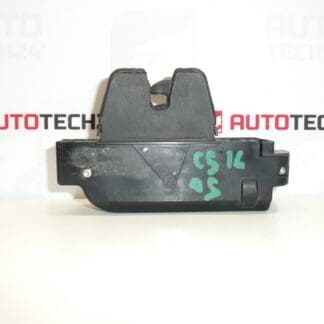
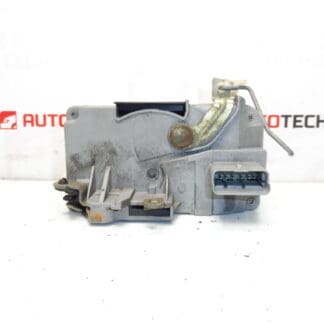
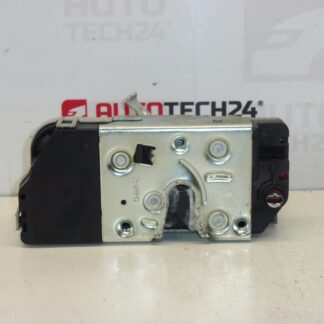
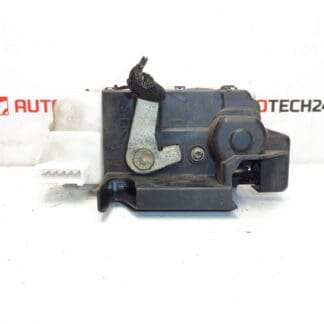
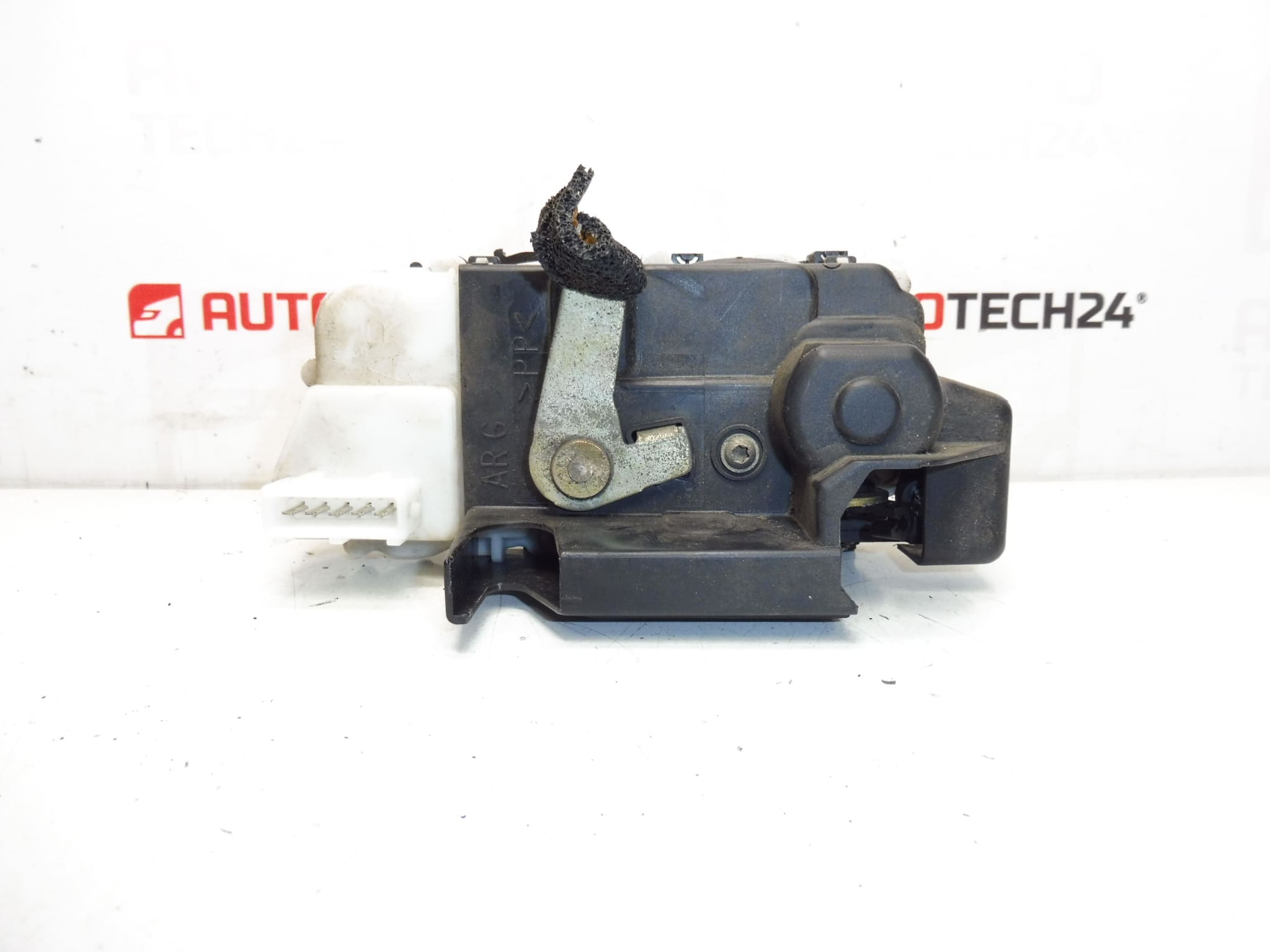
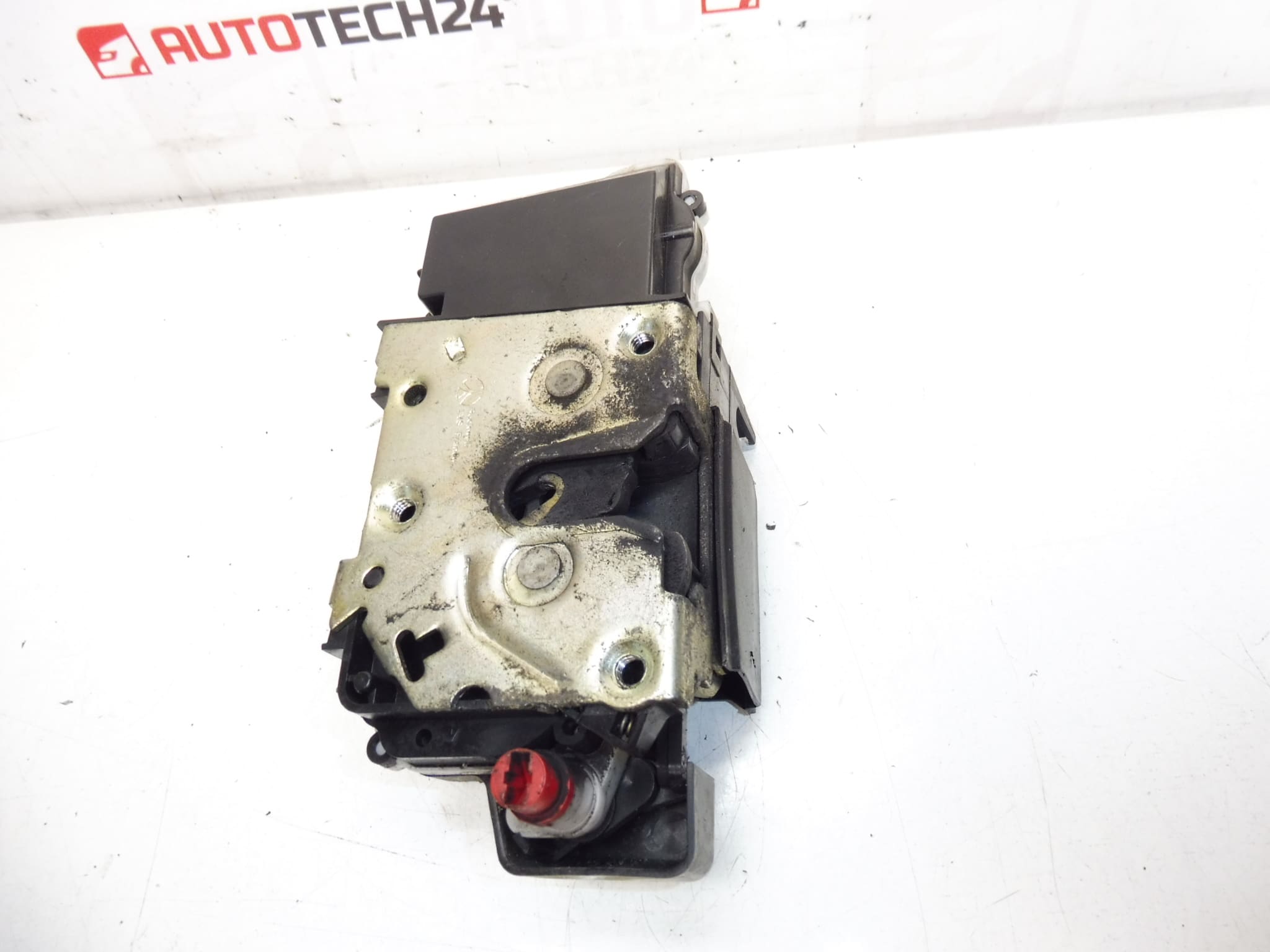
Electric central locking actuator for the left rear door for Peugeot 307. Door behind the driver.
This electric central locking lock is a direct-fit replacement designed for the left rear door of the Peugeot 307. Supplied under product code 913786, it restores reliable remote locking and secure door closure for vehicles with factory central locking systems. Ideal for professional workshops and DIY mechanics, the unit improves vehicle security, eliminates intermittent locking faults and is commonly searched by its product number 913786.
Technical Information
- Manufacturer: Stellantis (Peugeot/Citroën)
- Model: Peugeot 307
- Product Codes: 913786
- Additional Numbers: NFP
Compatibility
Fits the left rear door (driver’s side rear door) of Peugeot 307 models equipped with central locking. Frequently referenced by the part number 913786 in catalogs and online searches.
Installation
Replacement is straightforward for experienced technicians and competent DIYers with basic tools. Typical procedure:
- Disconnect the vehicle battery before starting work to avoid short circuits and accidental airbag deployment.
- Remove the interior door trim panel to access the lock assembly and linkage.
- Disconnect the electrical connector and unclip or detach the connecting rods between the lock and door handle/latch.
- Unbolt the old lock module from the door shell and remove it carefully.
- Install the new unit in reverse order: secure mounting bolts, reconnect rods and electrical connector, then test operation before refitting the door card.
- Check lock function from remote and interior switch, cycle the door several times to confirm proper alignment and smooth operation.
Mounting Recommendation
Always disconnect the battery prior to removal and follow manufacturer torque and fitting instructions where available. Use suitable trim tools to avoid damaging clips and door panels. After installation, lubricate moving linkages and latch points with a light lithium or synthetic grease to reduce wear. Test central locking from all controls (remote, driver door switch, and manual operation) and verify that door closes and seals correctly.
Most Common Failure Reasons
Door lock units on Peugeot 307 commonly fail due to mechanical wear of internal plastic gears, moisture ingress leading to corrosion, or electrical faults such as connector corrosion and broken wiring at the door hinge area. Repeated freezing or ingress of dirt can accelerate wear. Symptoms include intermittent locking/unlocking, abnormal noises from the door when operating the central locking, or complete loss of function on the affected door.
Practical Tips
- If noise precedes failure, replace the unit promptly to avoid a stuck door or security issue.
- Inspect wiring boots at the door hinge for chafing and repair any damaged wires to prevent recurring failures.
- When replacing, compare the new unit visually with the old one to ensure matching mounting points and connector type.