Description
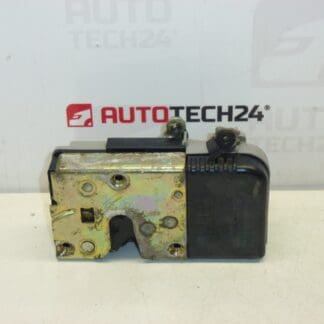
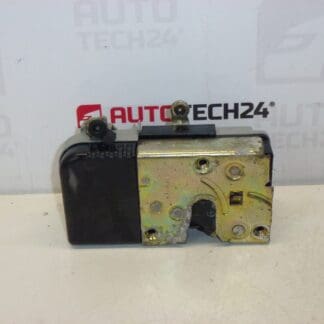
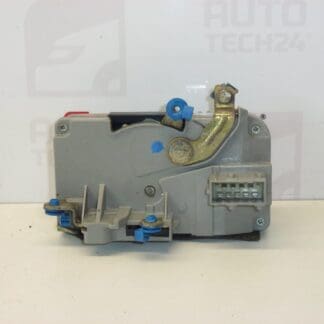
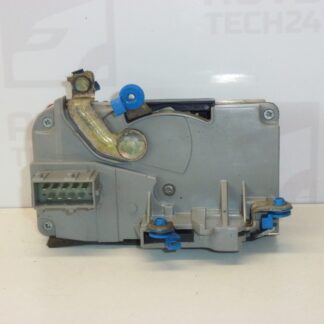
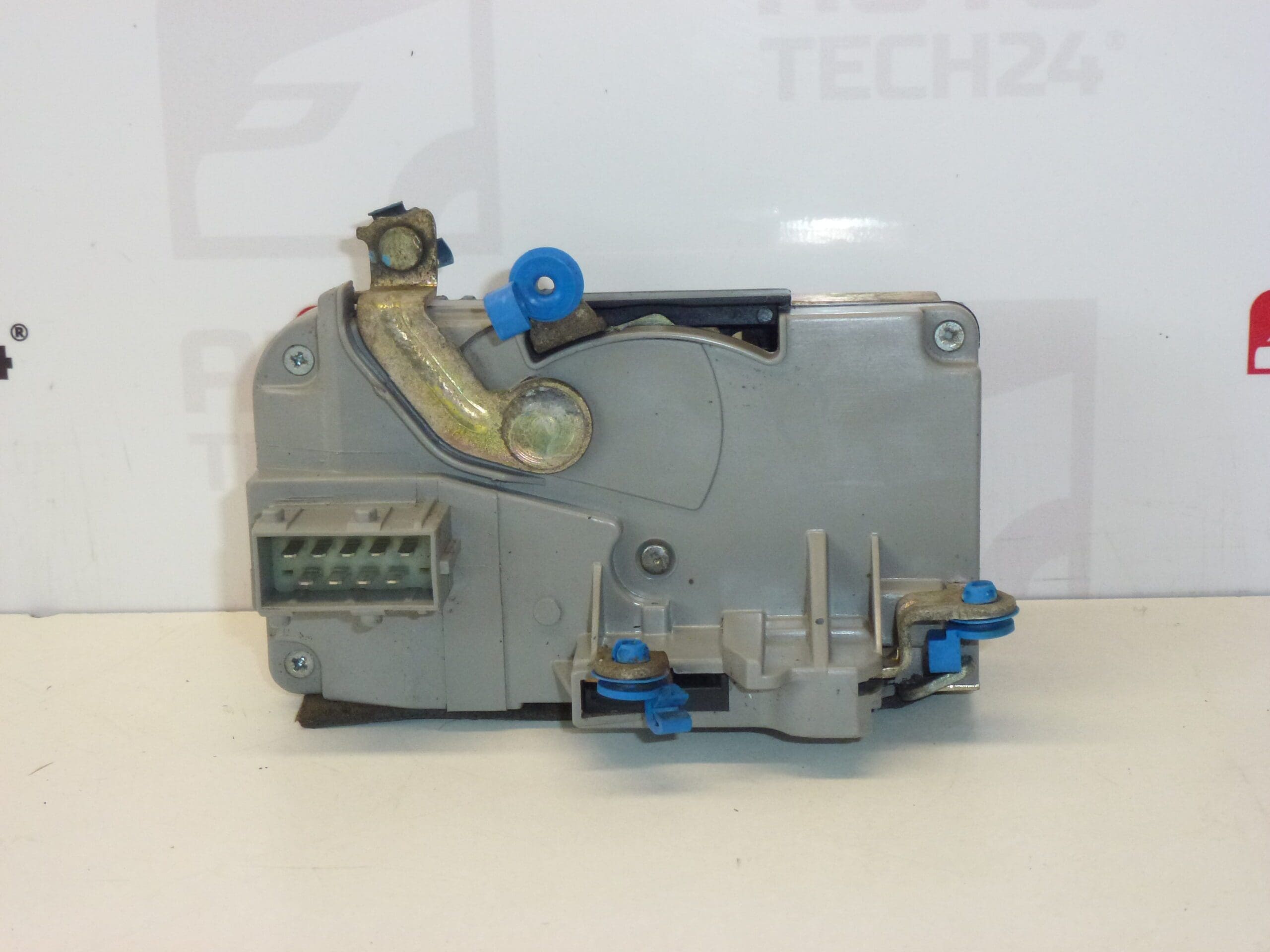
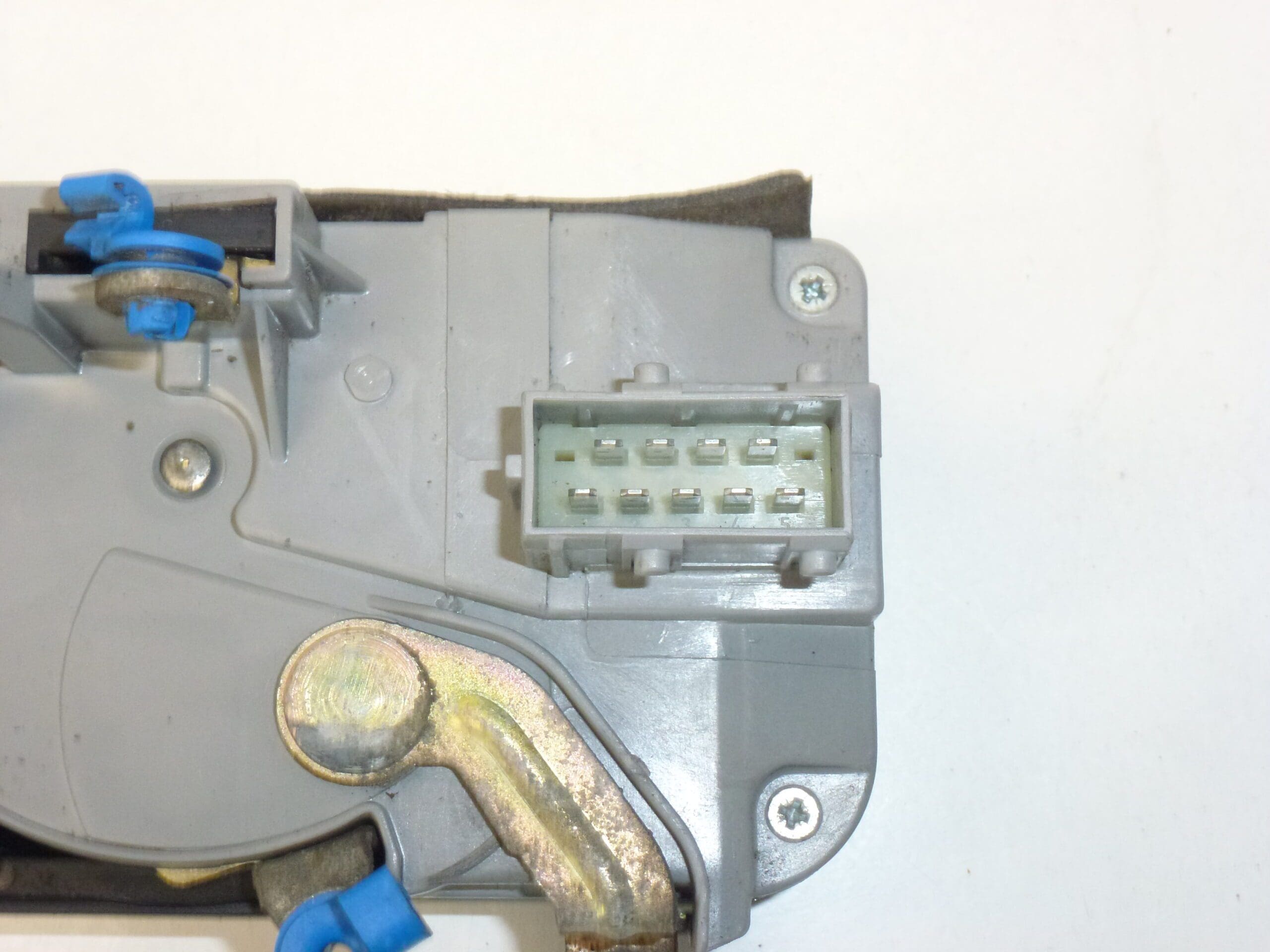
Electric central locking door lock – Left front driver’s door. For vehicles Citroën Berlingo, Xantia and Peugeot Partner I and II, Peugeot 406. Square two-row connector.
This electric central locking unit is a direct-fit replacement for the left front (driver) door and is often referenced under part code 9135H8. It restores reliable lock/unlock operation within the vehicle’s central locking system and is designed for straightforward installation using the square two-row electrical connector. Suitable for professional workshops and competent DIY mechanics, this part delivers a cost-effective repair when the original door lock actuator stops functioning correctly.
Typical indications of a failing door lock include failure to lock or unlock the left front door from the remote or interior switch, grinding or clicking noises inside the door, intermittent operation, or electrical faults caused by corrosion or short circuits. Replacing the lock actuator usually resolves mechanical jamming and electrical motor failures that prevent the latch from operating smoothly.
Technical information
- Manufacturer: Stellantis
- Model: Citroën Berlingo, Citroën Xantia, Peugeot Partner I, Peugeot Partner II, Peugeot 406
- Product codes: 9135H8, 9135H8 II
- Additional numbers: No additional reference numbers available
Installation recommendations
- Work Safely: Disconnect the negative battery terminal before starting any electrical work to avoid short circuits or accidental activation.
- Access: Remove the inner door trim and carefully peel back the moisture barrier to expose the lock mechanism and linkages.
- Disconnect and Remove: Unplug the square two-row electrical connector, detach the locking rods/linkages (note their positions), and remove the retaining screws or bolts holding the lock assembly.
- Fitment: Install the new lock in the reverse order—secure mounting bolts, reconnect linkages and the connector. Ensure rods are correctly seated in their clips and that the latch moves freely.
- Test Before Reassembly: Operate central locking and manual latch movement to confirm correct function before refitting the door card and moisture barrier.
- Final Checks: Lubricate moving parts with suitable grease, check door striker alignment, and ensure door seals and drain paths are clear to reduce future water ingress.
Reason why the part most often fails
Door lock actuators commonly fail due to moisture ingress and corrosion, which damage electrical contacts and motor windings. Mechanical wear of internal plastic gears or metal components can cause grinding or jamming. Repeated use, exposure to road salt and dirt, and impacts to the door can accelerate wear. Electrical issues such as damaged wiring, poor connector contact, or blown fuses may also manifest as actuator failure even when the mechanism itself appears intact.