Description
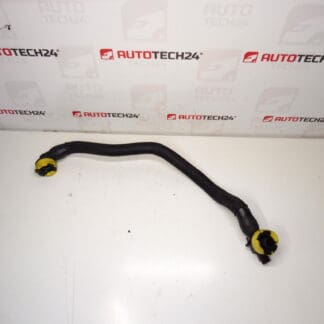
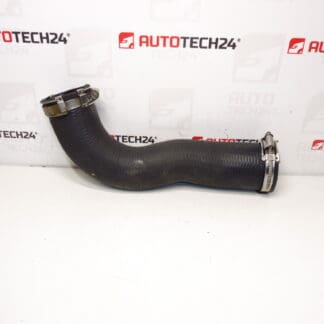
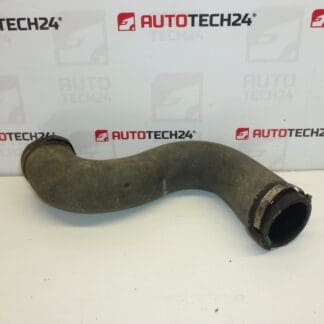
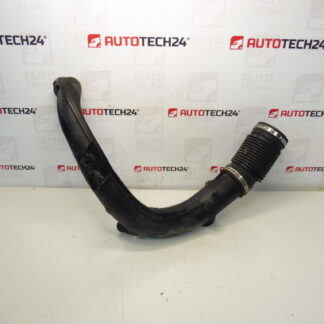
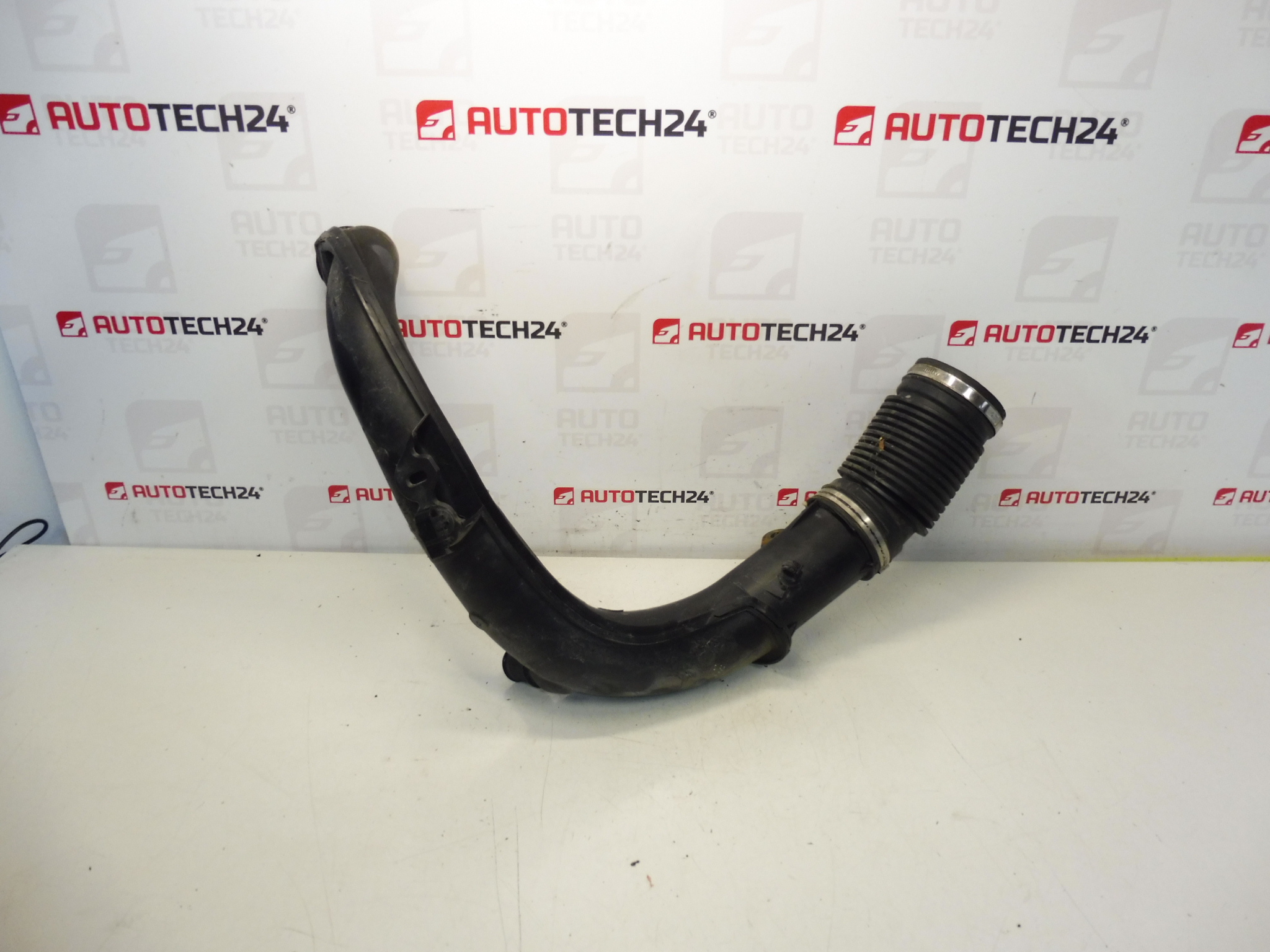
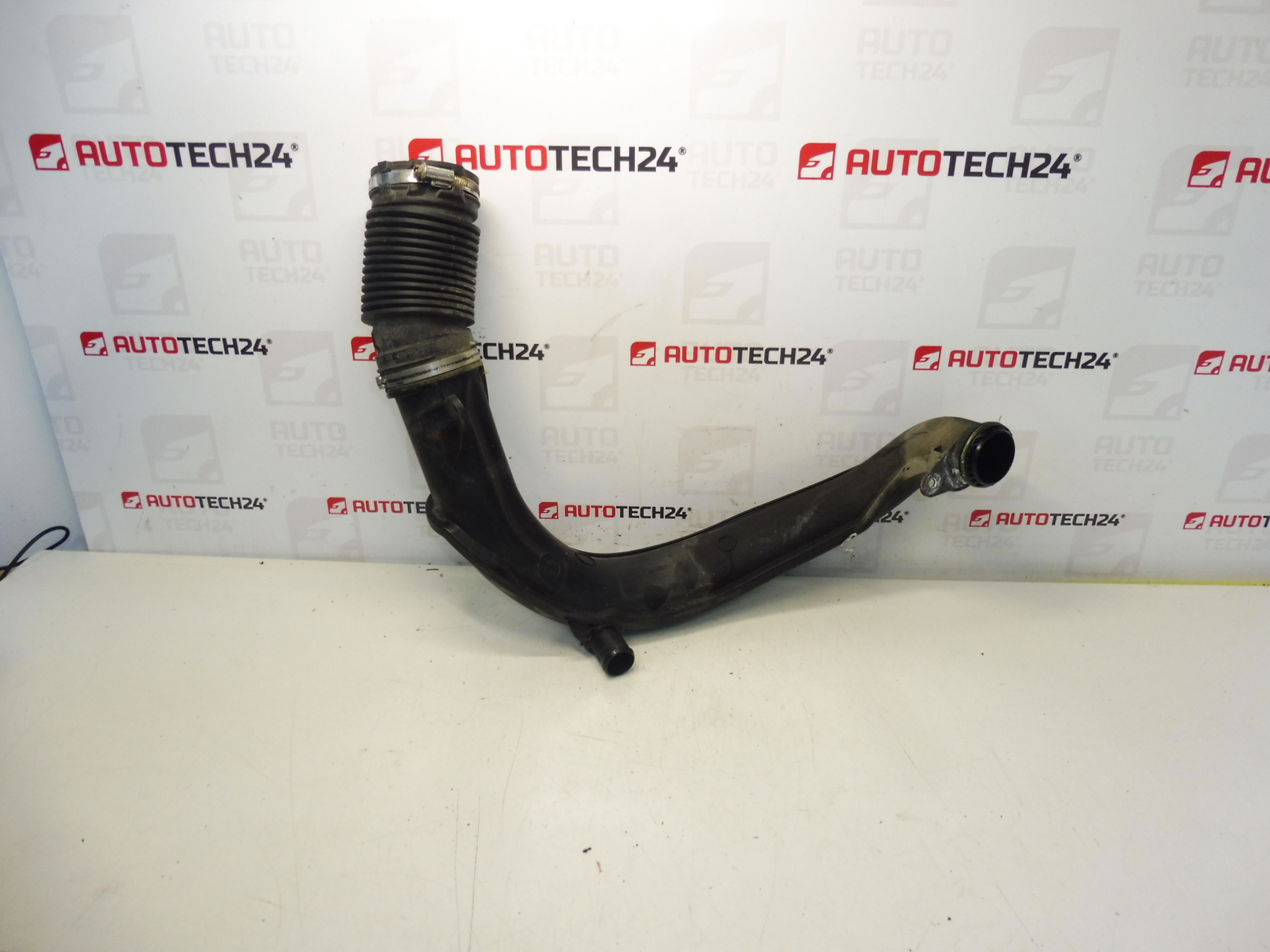
Air intake connection – turbo intake for Citroën and Peugeot vehicles with 2.0 HDi engine.
This turbo inlet pipe (air intake connection) is designed for 2.0 HDi diesel engines used in a range of Citroën and Peugeot models. It routes compressed air from the turbocharger to the engine intake, ensuring stable boost delivery and efficient engine breathing. The part is commonly referenced by OE numbers and is often searched by its product codes, so listing the part number in your search will speed up locating the correct replacement.
Key Features And Benefits
– Direct fit for compatible 2.0 HDi applications: engineered to match original dimensions and connection points for a reliable seal.
– Durable construction: made to withstand heat, oil vapor and turbo boost pressures typical for modern HDi systems.
– Restores proper turbo response and fuel economy when worn or leaking intake pipes are replaced.
– Improves diagnosability: replacing a suspect inlet pipe eliminates a common source of boost leaks and irregular idling.
Typical Applications
Fits Selected Citroën And Peugeot Models Equipped With The 2.0 HDi Engine, Including:
- Citroën C4 Picasso
- Citroën C5 (including X7)
- Citroën C8
- Peugeot 307
- Peugeot 407
- Peugeot 807
How This Part Works
The turbo inlet pipe channels pressurized air from the turbocharger outlet to the intercooler or intake manifold depending on layout. It must maintain an airtight path under positive boost pressure; any leaks or deformations reduce boost, cause turbo lag, and can trigger fault codes or limp mode in some vehicles.
How To Replace (Overview For Mechanics And DIY)
- Allow Engine To Cool: Work on the intake system only when the engine and turbo are cool to avoid burns.
- Relieve Pressure: Remove any pressure in the intake system by briefly cranking the engine with the air filter removed (if safe and per workshop practice) or follow manufacturer steps to relieve intake pressure.
- Disconnect Sensors/Lines: Carefully unplug any connected sensors or vacuum/PCV lines that attach to the pipe and label them if needed.
- Loosen Clamps: Undo hose clamps or fasteners at both ends of the pipe and remove any retaining brackets.
- Remove Old Pipe: Extract the old pipe, inspect mating surfaces and adjoining hoses for damage or oil contamination.
- Fit New Pipe: Install the new pipe, ensure correct seating on both ends, tighten clamps to a firm, even grip and reattach any brackets and lines.
- Check For Leaks: Start the engine and check for boost leaks, listen for hissing and verify normal turbo response under load.
Installation Recommendations
– Use new clamps where possible and ensure even tightening to avoid crushing or distortion of the pipe.
– Inspect adjoining hoses, intercooler connections and clamps for wear and replace if necessary.
– Clean mating surfaces and remove oil deposits that could prevent a good seal.
– After installation, perform a boost leak test or road test to confirm correct operation.
Why This Part Fails Most Often
– Age And Heat Degradation: Repeated heat cycles and engine bay temperatures cause rubber or composite sections to harden, crack or split.
– Oil Contamination: Excess crankcase vapors or turbo oil leaks soften or deteriorate the material and reduce sealing ability.
– Mechanical Damage: Rubbing against adjacent components, improper installation or over-tightened clamps can create weak points.
– High Boost/Performance Modifications: Increased boost pressure can exceed the design limits of original pipes and accelerate failure.
Signs Of A Faulty Turbo Inlet Pipe
- Loss Of Boost Pressure Or Reduced Acceleration
- Hissing Or Whistling Noises From The Engine Bay Under Boost
- Irregular Idle Or Turbo Lag
- Check Engine Light Related To Intake Or Turbo Pressure Sensors
Technical Information
- Manufacturer: Stellantis (Citroën/Peugeot)
- Model: 2.0 HDi
- Product Codes: 9652091380
- Additional Numbers: 143495, NFP
Notes For Professional Fitters
This part is often searched for by its OE reference (e.g., 9652091380). Verify physical match with the removed component before final installation. Replace associated clamps and inspect the turbo and intercooler for oil leaks which may indicate upstream issues requiring attention.
Typical Lifespan
Lifespan Depends On Operating Conditions: Under normal use the inlet pipe can last many years, but high-mileage vehicles, heavy city driving, frequent short trips or existing turbo oil leaks will shorten service life. Inspect during regular servicing and whenever turbo performance symptoms appear.
Final Advice
For reliable turbo system performance replace worn inlet pipes promptly to restore boost integrity. Use quality replacement parts and follow correct installation steps to avoid repeat failures.