Description
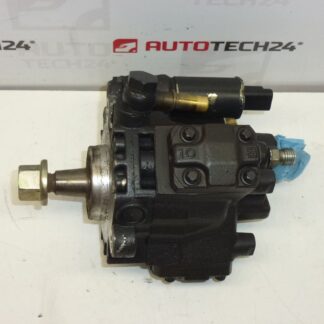
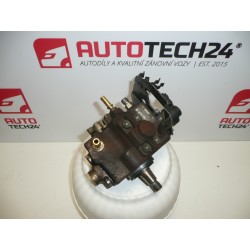
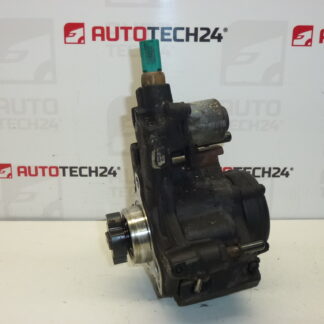
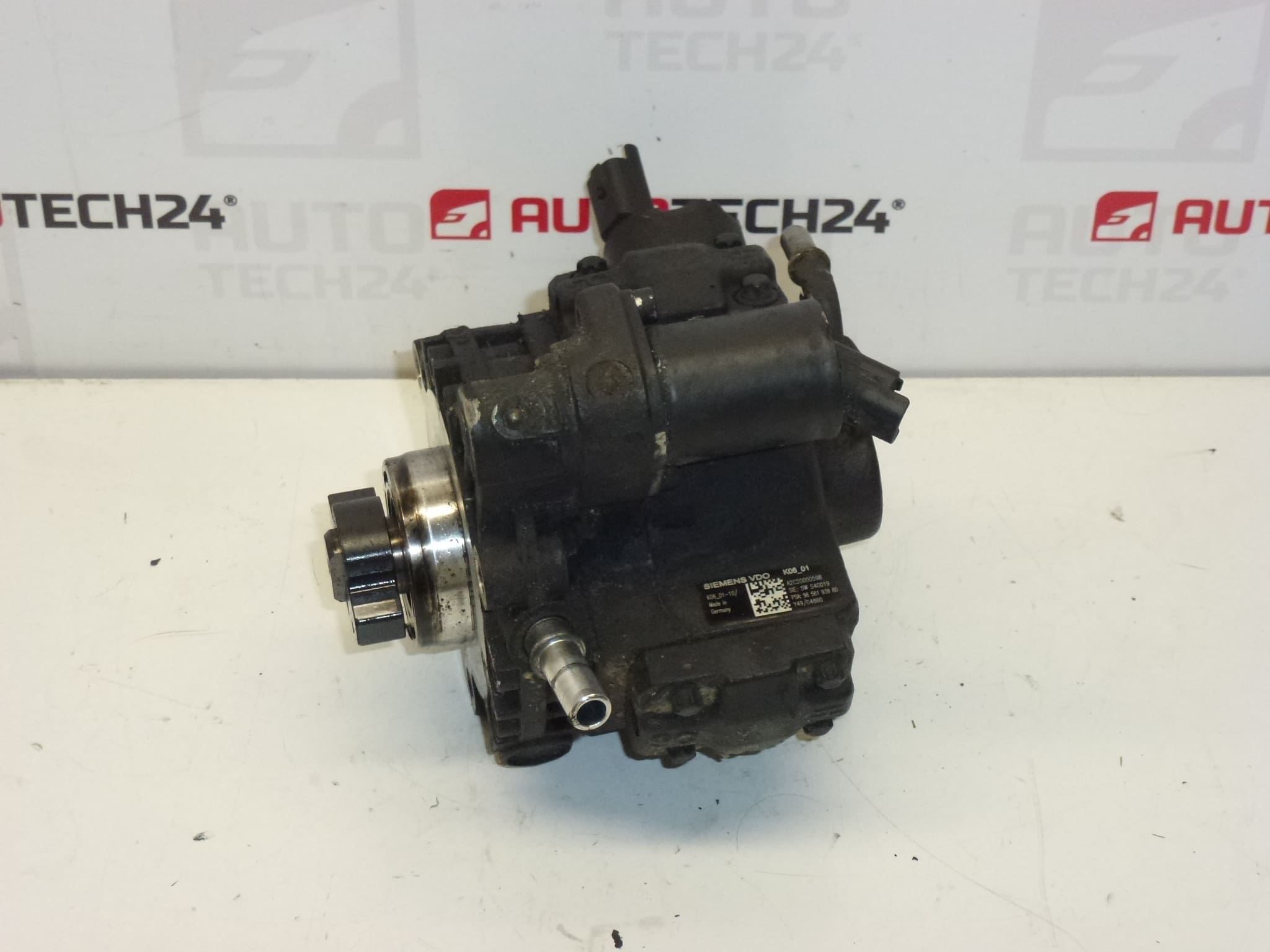
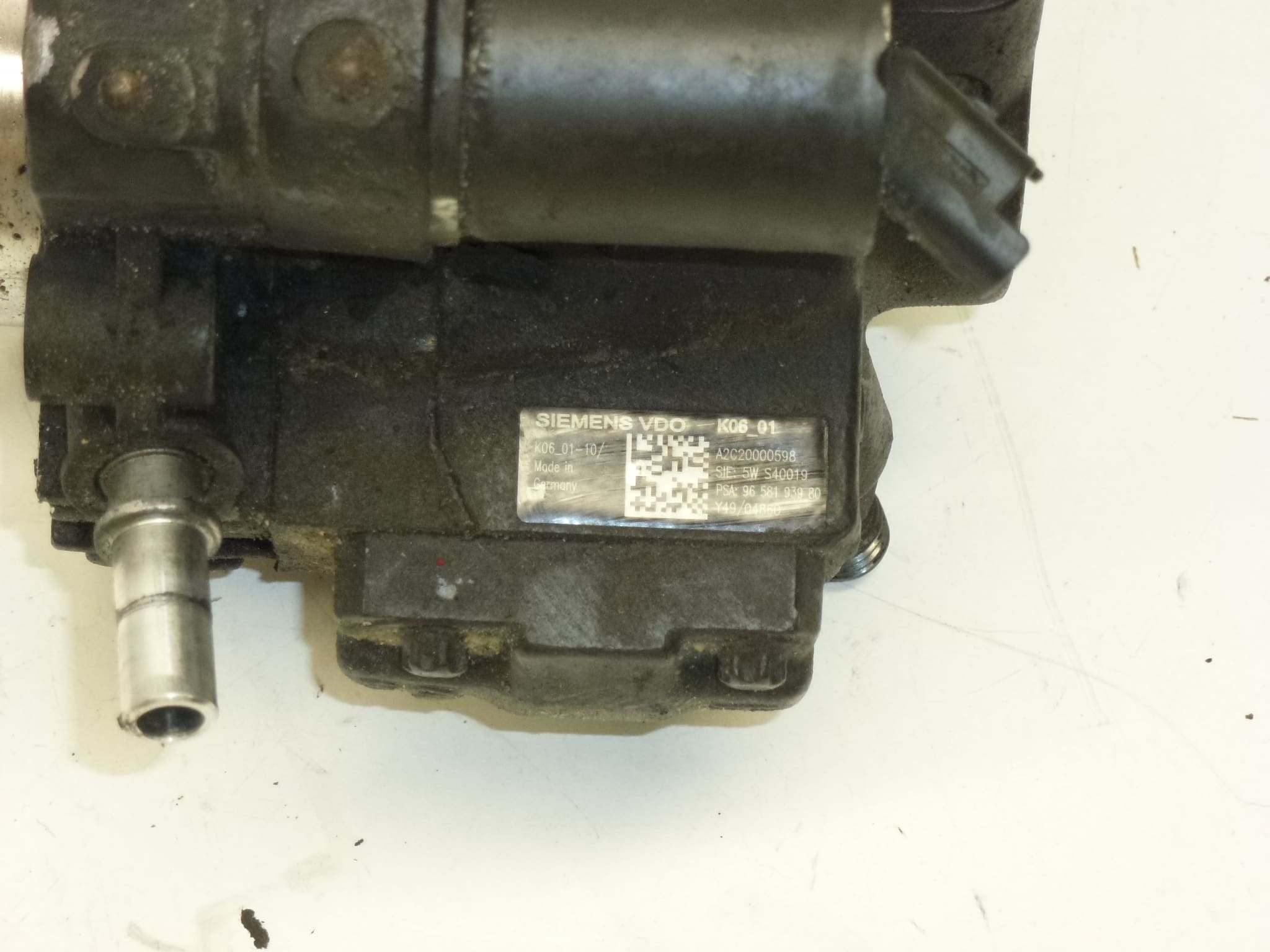
Injection Pump 2.0 HDi 100 kW RHR RHK with SIEMENS VDO 5ws40019 system for CITROEN, PEUGEOT, FORD, VOLVO, MAZDA vehicles. Tested, with functional warranty. Without Fuel Pressure Regulator.
This high-performance 2.0 HDi injection pump (100 kW) with Siemens VDO control is a direct replacement option for a range of Stellantis diesel engines. Designed for reliable high-pressure fuel delivery, it is commonly searched by product number (5WS40019 / 5WS40809 / 1920QH / 1920N8) and is suitable for professional garages and experienced DIY enthusiasts who carry out fuel system repairs. The unit is built to meet the demanding timing and pressure requirements of the RHR and RHK engine variants and helps restore engine response, starting behavior and fuel efficiency when worn pumps produce rough idling, hard starts or loss of power.
Technical Information
- Manufacturer: Siemens VDO
- Model: 2.0 HDi 100 kW (RHR, RHK)
- Product Codes: 5WS40019, 5WS40809, 1920QH, 1920N8
- Additional Numbers: SIEMENS VDO Identifiers 5ws40019 / 5ws40809
Compatibility
Fits a range of vehicles equipped with the 2.0 HDi RHR and RHK engines. Typical compatible models include Citroën C4, Citroën C4 Picasso, Citroën C5 (including X7), Citroën C8, Peugeot 307, Peugeot 407 and Peugeot 807. The same pump design is also found in specific Ford, Volvo and Mazda applications that use the 2.0 HDi family of engines. Always verify the pump code against the original part number before installation; many buyers search by the product code for exact fitment.
Function And Symptoms Of Failure
The injection pump supplies high-pressure diesel to the injectors at the correct timing and quantity required by the engine management system. Common symptoms of a failing pump include hard starting, irregular idle, loss of power under load, black smoke, and fuel leaks. Electrical faults in the pump control or contamination in the fuel (debris, water) can accelerate wear and cause premature failure.
Installation Recommendations
- Prepare: Work with a clean workspace and fresh fuel filter; contaminated fuel is a frequent cause of damage.
- Safety: Disconnect the battery before beginning work and follow the vehicle manufacturer’s procedures for fuel system repairs.
- Removal/Installation: Relieve fuel system pressure, disconnect fuel lines and electrical connectors, mark timing positions, unbolt the pump and remove carefully. Install the replacement in reverse order, ensuring all sealing surfaces and O-rings are renewed.
- Timing & Priming: After fitment, prime the fuel system and bleed air from the lines. Correct pump timing is critical—set timing according to the service manual for the specific engine.
- Tools & Calibration: Use manufacturer procedures and tools for final checks. If an ECU or vehicle adaptation is required by the engine management, perform the necessary adjustments with appropriate diagnostic equipment.
Why The Part Fails Most Often
Failure Most Often Caused By Contaminated Fuel, Aeration Or Lack Of Maintenance. Dirt, varnish and water in the fuel cause accelerated wear of internal components. Low-pressure supply faults (failed lift pump or clogged fuel filter) can starve the pump and cause cavitation. Electrical issues or damage to sensors and solenoids in the pump control also lead to malfunction.
Notes For Professionals And DIYers
Frequently Searched By Part Number—Having The Original Pump Code Makes Compatibility Checks Faster. For reliable results replace associated consumables (fuel filter, seals) and verify the entire fuel supply circuit. When in doubt about timing, priming or adaptations, use the official service documentation and diagnostic tools to ensure correct commissioning and to avoid engine damage.