Description
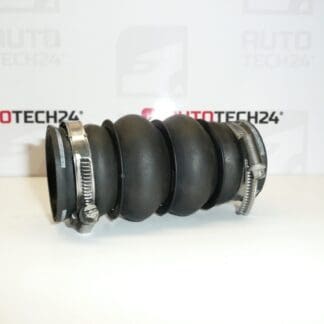
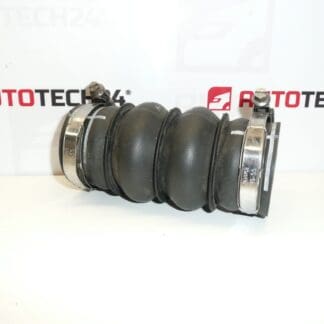
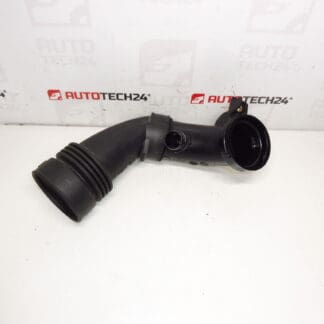
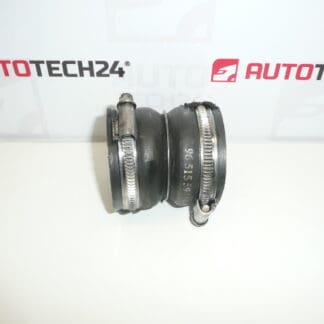
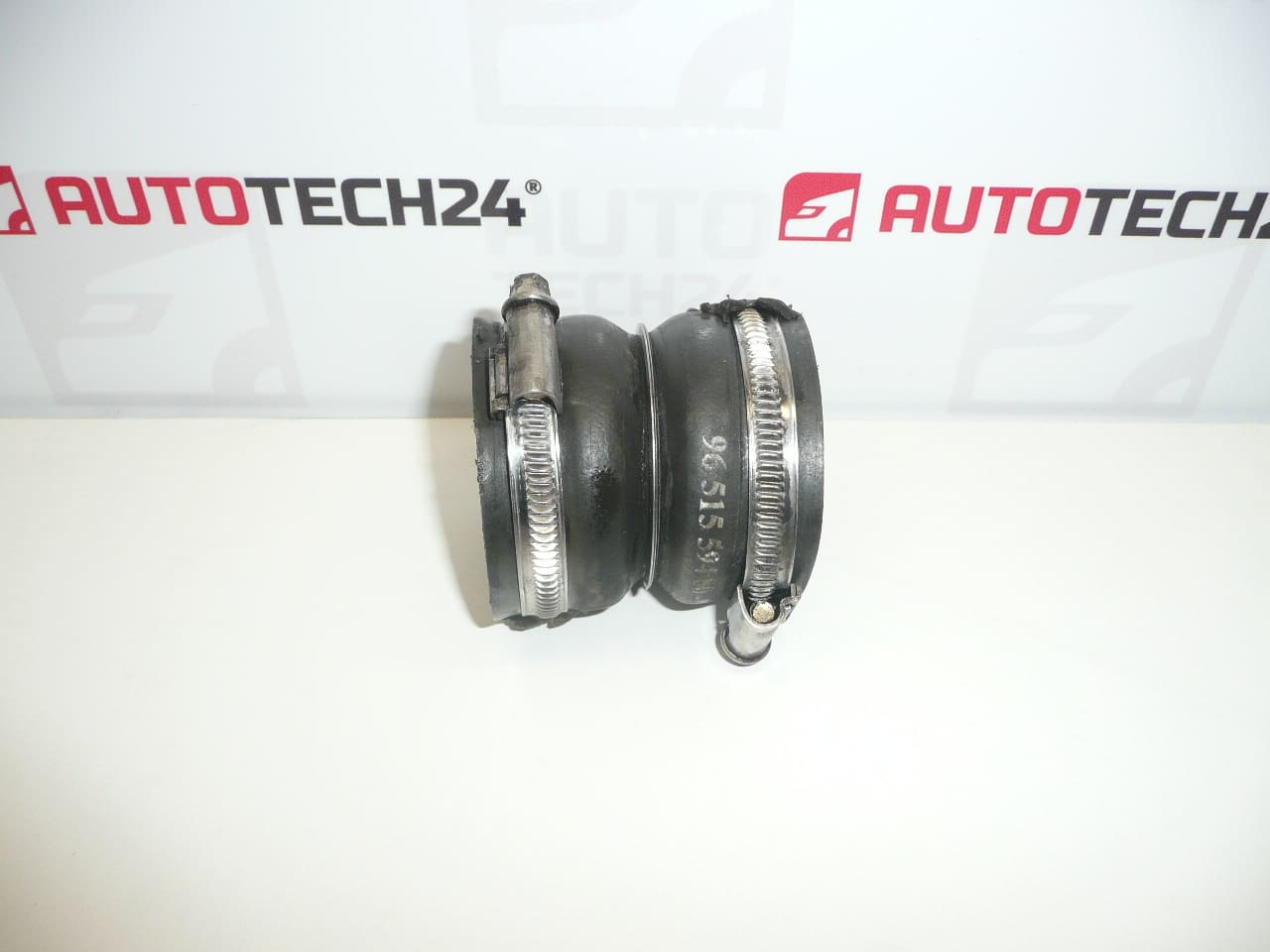
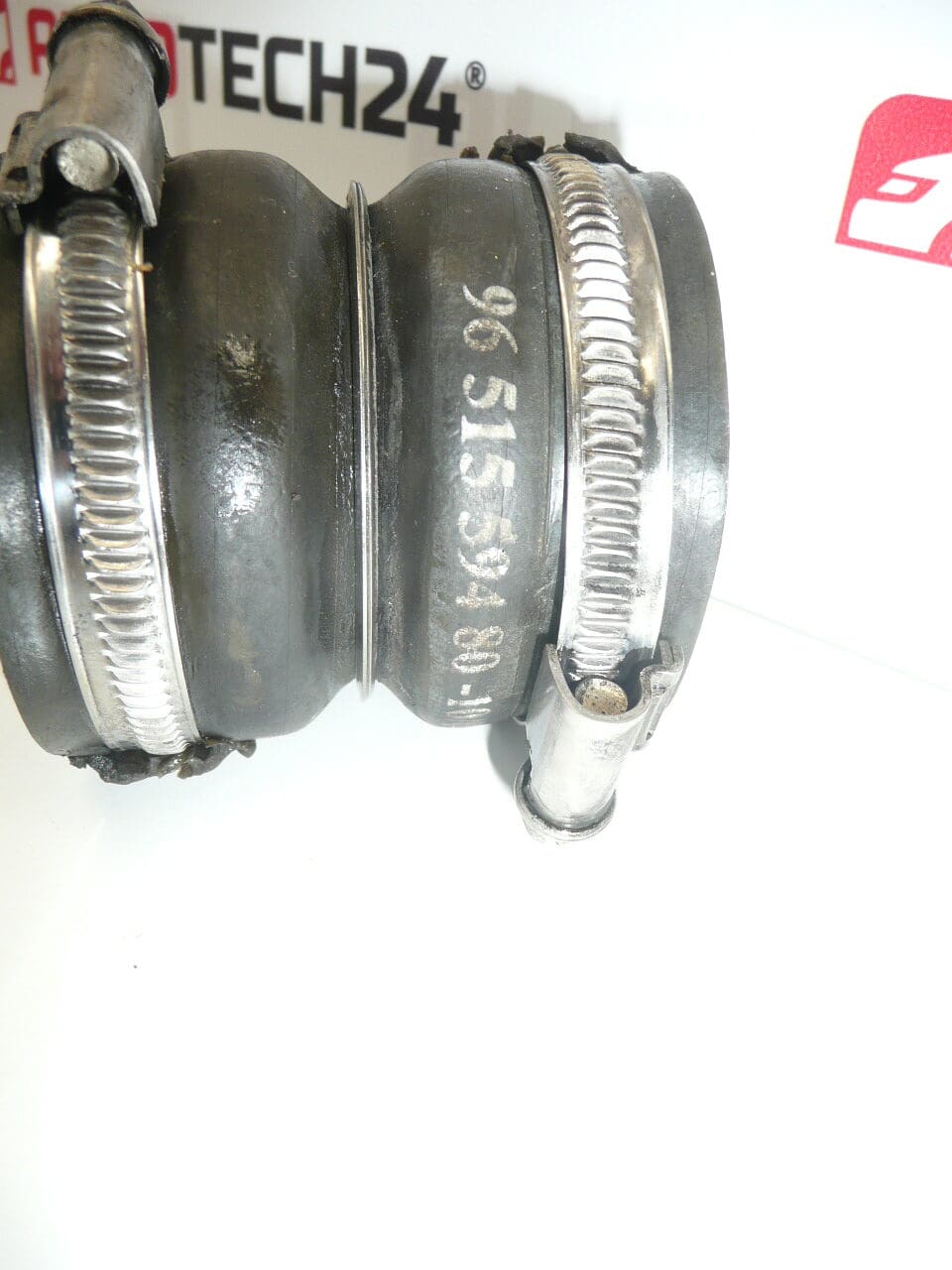
Clamp for the pressurized air connection. Turbo hose for 1.6 HDi Citroën Peugeot.
This turbo charge-air hose and its clamp are designed for the 1.6 HDi turbocharged engines found in many Citroën and Peugeot models. It carries pressurized intake air between the turbocharger, intercooler and intake tract, ensuring stable boost delivery and engine response. The part is often sought by OE number (9651559480, 0382EL), which helps technicians and DIY enthusiasts find the correct replacement quickly.
Technical Information
- Manufacturer: Stellantis / Citroën / Peugeot
- Model: Turbo Intake/Charge Air Hose For 1.6 HDi
- Product Codes: 9651559480, 0382EL
- Other Numbers: No additional numbers provided
- Compatible Models (typical fitment): Citroën C3, Citroën C3 Picasso, Citroën C4, Citroën C4 Picasso, Citroën C5, Citroën C5 X7; Peugeot 206, Peugeot 207, Peugeot 307, Peugeot 407
Function
The hose forms part of the turbocharger induction system. It routes pressurized air from the turbocharger (or intercooler) to the throttle body/intake manifold. A secure clamp at the connection prevents boost leaks, maintains engine performance and protects against loss of power or turbo surge.
Installation Recommendations
- Prepare basic tools: flat or Phillips screwdriver, nut driver or socket set, pliers for snap clamps and a clean rag.
- Allow the engine to cool before starting. Relieve any residual boost pressure by cranking the engine briefly with the air intake disconnected if necessary (follow vehicle-specific service guidance).
- Loosen or remove the old clamp(s), slide off the old hose and inspect mating surfaces (turbo flange, intercooler outlet, throttle connection) for damage or oil buildup.
- Clean sealing surfaces and fit the new hose so it seats fully over the hose bead or flange. Position clamps over the hose bead and tighten evenly until secure—do not over-tighten rubber hose clamps to avoid cutting into the hose.
- After installation, start the engine and check for boost leaks by listening for hissing and verifying stable idle and boost build-up under load. Reinspect clamps after a short test drive.
- Replace any worn clamps or adjoining silicone couplings at the same time to ensure long-term reliability.
Why This Part Most Commonly Fails
Turbo intake hoses and their clamps typically fail due to heat cycling, oil contamination and mechanical stress. Over time the rubber or silicone can harden, crack or swell where exposed to engine oil or high temperatures. Loose, corroded or damaged clamps are a frequent cause of boost leaks. Engine movement and improper installation can also cause wear at the hose ends, resulting in reduced boost, rough running or check-engine lights related to boost pressure sensors.
Service Life and Replacement Signs
Service life varies with driving style and conditions; high-mileage vehicles or those exposed to oil leaks and frequent high-boost operation tend to need replacement sooner. Replace the hose if you observe visible cracks, soft spots, oil saturation, or persistent boost leaks. Common symptoms include reduced engine power, turbo lag, whistling/hissing noises under acceleration, and diagnostic codes related to boost pressure.
Notes For Buyers
Searchable by OE codes 9651559480 and 0382EL — have these numbers handy when ordering to ensure a quick match. Suitable for professional workshops and competent DIY mechanics familiar with turbo systems. Always follow vehicle-specific service instructions where available.