Description
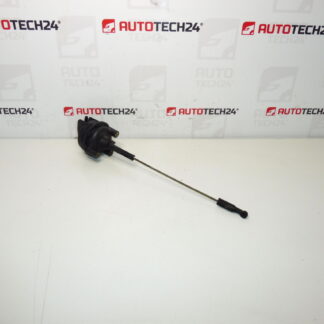
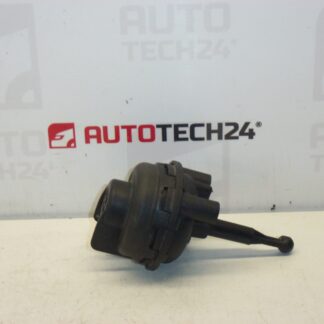
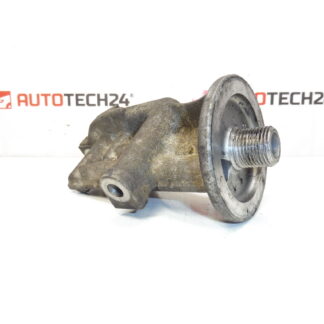
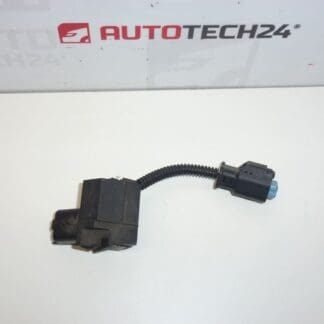
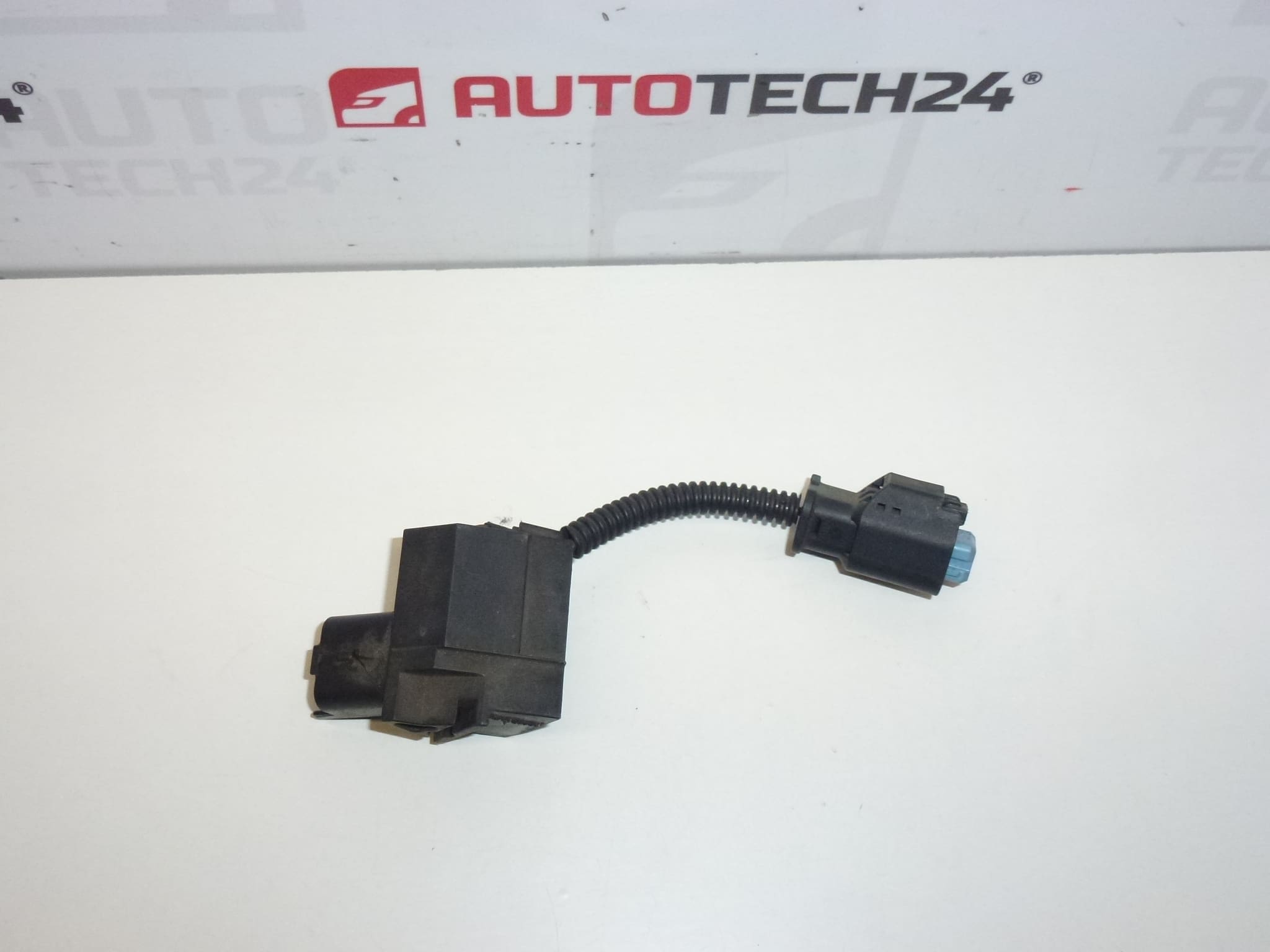
Sensor, sensor 1.6 eHDI for Citroën Peugeot cars
Part description
This used sensor / sensor is intended for Citroën and Peugeot cars and can also be searched by original part numbers. It is a component from the engine – parts and accessories category, which is important for the proper functioning of the vehicle’s downstream systems.
For the buyer, it is especially important to accurately compare the markings on the original part. With used auto parts, matching the serial number is often the fastest and most reliable way to choose the right part for the repair.
- original used part for Citroën / Peugeot
- suitable to search by part number
- a practical solution for repairs without unnecessarily high costs
Technical information
Manufacturer: Stellantis Citroën Peugeot
Model: 1.6 eHDI
Other numbers: 9689058080, 9689057280
Product codes
Product codes: 9689058080, 9689057280
- Citroën Berlingo B9
- Citroen C4 II
- Citroën C4 PICASSO
- DS4
- PEUGEOT 3008 I
- Peugeot 308
- PEUGEOT 5008 I
- Peugeot Partner Tepee
Installation recommendations
Generally/typically for this type of part, the exact replacement procedure depends on the specific design of the car and the location of the sensor. If the documents do not contain more detailed information, it is advisable to proceed with caution and always compare the new and original part before assembly.
1) Before assembly
- Compare the part numbers on the original and supplied sensor.
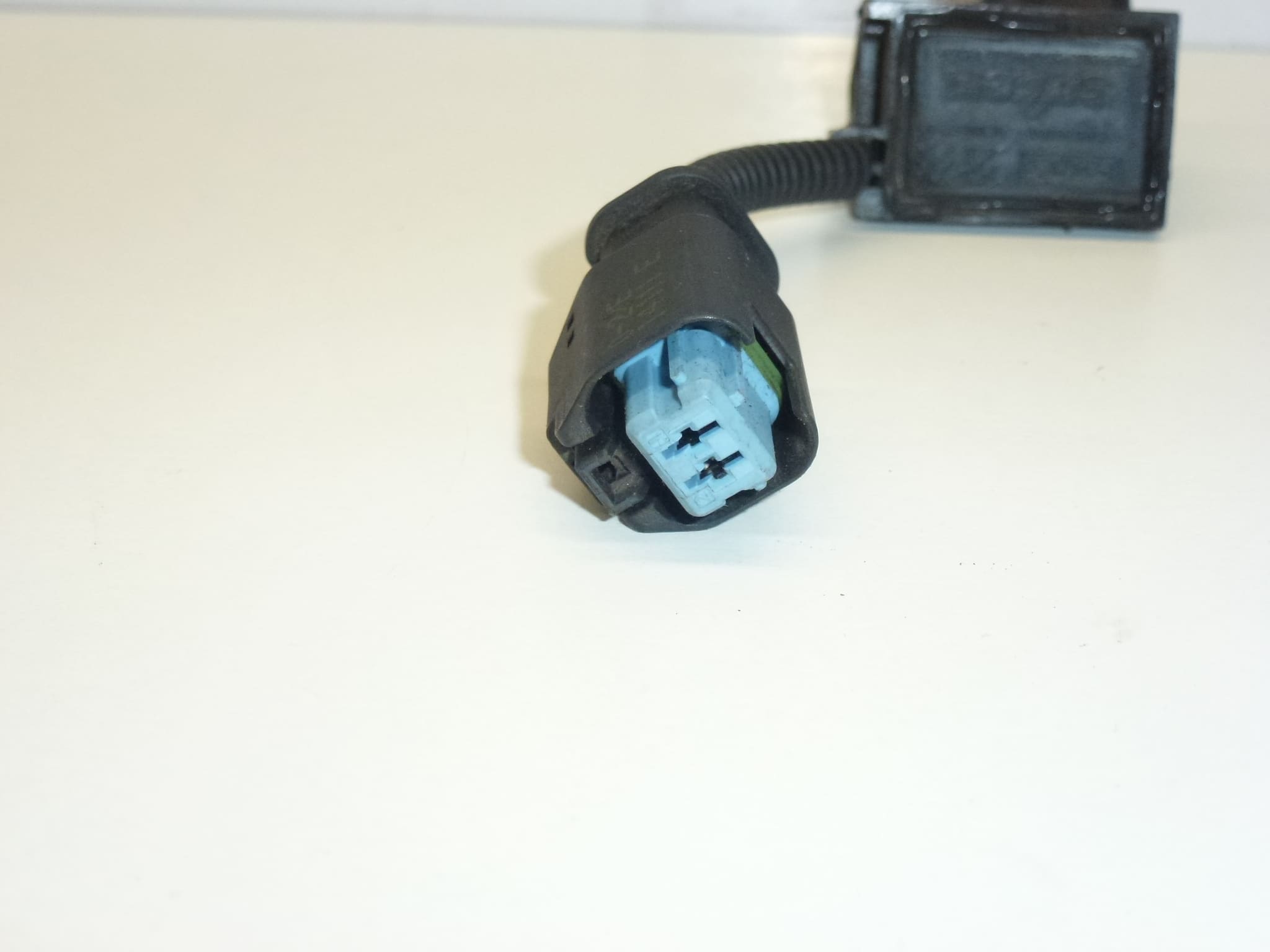
- Check the shape of the connector, the number of pins, the mounting and the overall condition of the sensor body.
- Check for damage to the connector, contacts, sealing elements or plastic latches.
- Before dismantling the original part, we recommend cleaning the surroundings so that dirt does not get into the related parts during work.
2) Necessary tools and materials
- regular set of hand tools
- cleaning agent for technical parts or connectors
- clean cloth
- work gloves
- light to check seating and connector
3) Step-by-step assembly procedure
- Secure the vehicle against movement and turn off the ignition.
- Typically, it is recommended to disconnect the battery before working on the electrical sensor if required by vehicle design or service procedure.
- Access the original sensor according to the specific layout of the car.
- Disconnect the electrical connector carefully so as not to damage the latch or wiring.
- Disassemble the original sensor while observing its placement and orientation.
- Compare the old and new part including the connector, mounting and labeling.
- Clean the bearing surface and the surrounding area of the assembly from dirt and residual deposits.
- Place the used sensor in the correct position without using excessive force.
- Attach the part using the original attachment method.
- Connect the electrical connector and check that it is fully engaged.
- Return any removed covers or access elements.
- If the battery has been disconnected, reconnect it and perform a basic function check.
-
4) Post-assembly checks and test drive/function verification
- Check that the sensor is firmly seated and the connector is properly connected.
- After booting, verify that there are no obvious irregularities in the operation of the related system.
- Perform a short function check in normal vehicle operating mode.
- After the test, visually check again the attachment of the part and the condition of the connector.
5) The most common assembly mistakes + how to avoid them
- Exchanging a part based on appearance: always compare the serial numbers.
- Damage to the connector: never disconnect the connector by force, release the latch first.
- Assembly in a dirty place: before installing the part, clean the surrounding area and the contact area.
- Poor fit: after assembly, check that the part fits correctly and nothing is crooked.
- normal wear and tear from operation and age
- motor vibration and long-term thermal stress
- damage to the connector or wiring during disassembly
- moisture, dirt and clogging of contacts
- incorrect handling during previous repair