Description
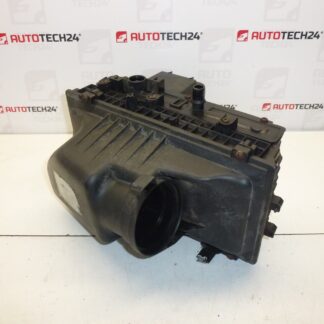
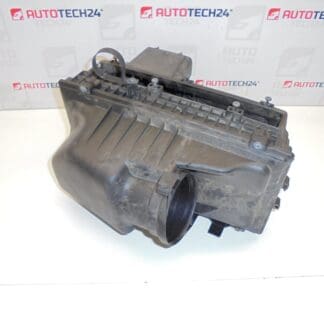
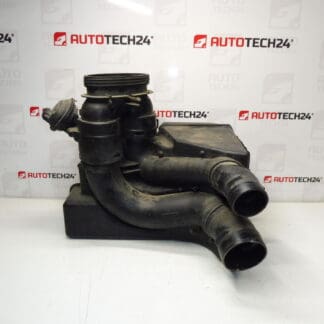
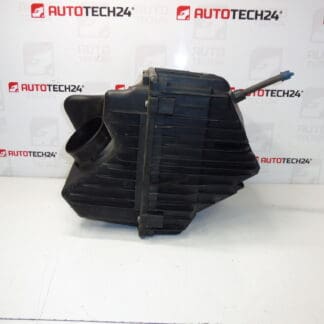
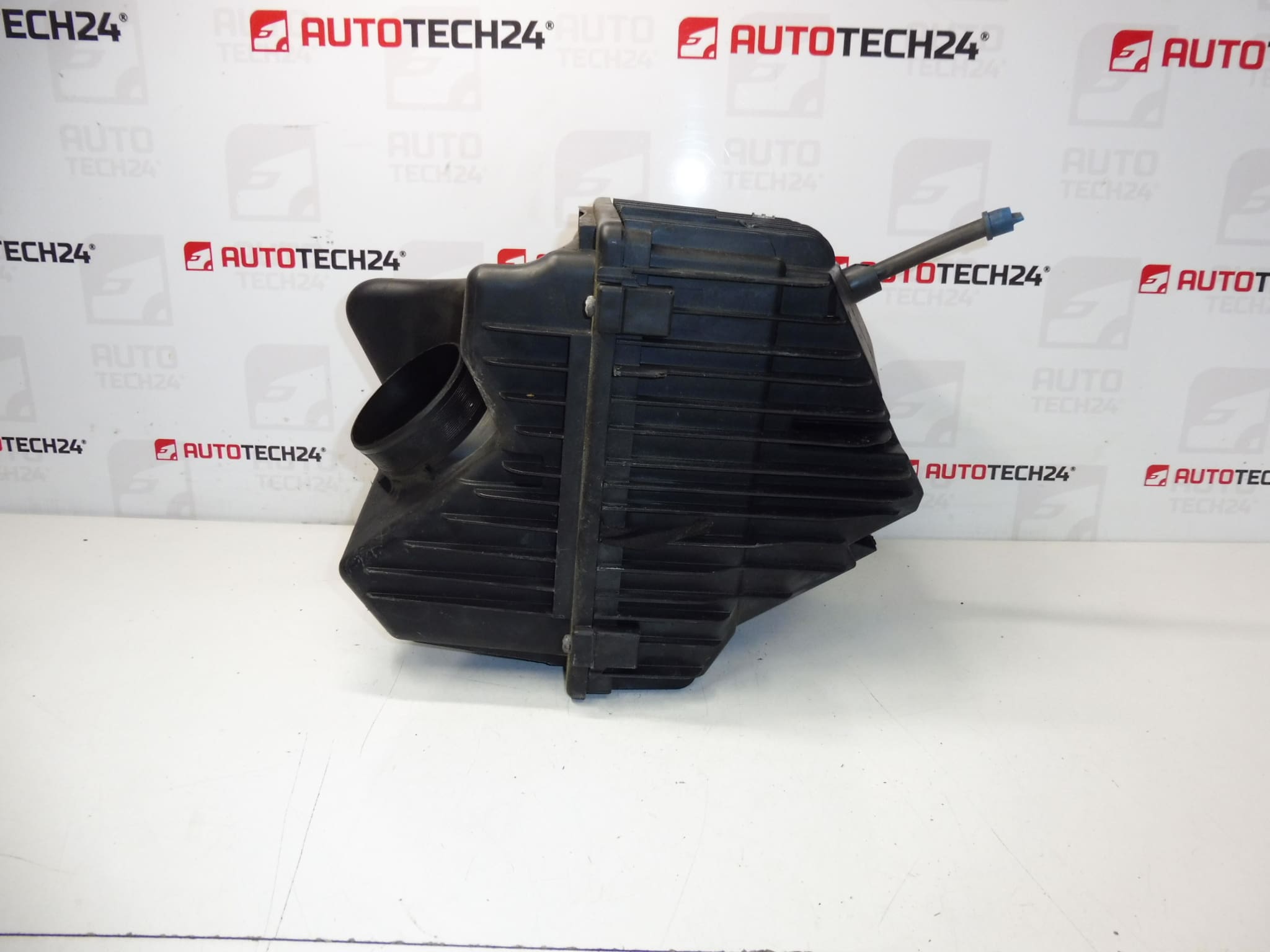
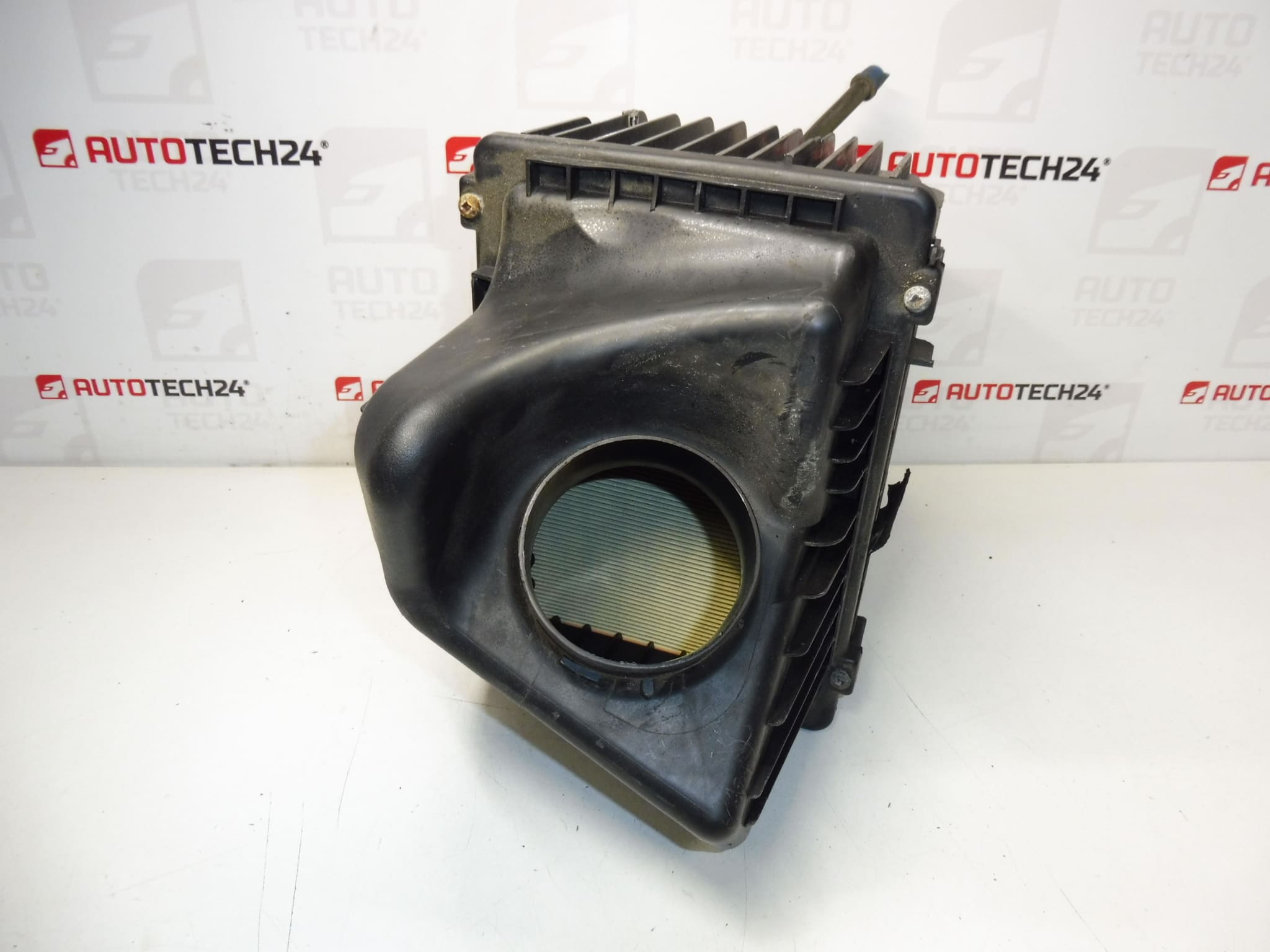
Filter Box For Citroën C4 And Peugeot 307 With 2.0i Engines
This air filter box is designed for Citroën C4 and Peugeot 307 models equipped with 2.0i petrol engines. The housing secures the engine air filter, directs intake air through the filter element and helps isolate the intake tract from road debris, water spray and engine bay heat. Listing the OEM references 9643567080 and 1427J8 makes it easy to find this part by part number when servicing or ordering replacement components.
Technical Information
- Manufacturer: Stellantis (Citroën / Peugeot)
- Model: Citroën C4, Peugeot 307 (2.0i Engines)
- Product Codes: 9643567080, 1427J8
- Other Numbers: NFP
Function And Benefits
The Air Filter Box Houses The Engine Air Filter And Ensures Clean, Metered Air Reaches The Intake System. A Correctly Sealed Housing Prevents Unfiltered Air Ingestion That Can Damage The Mass Airflow Sensor And Engine Internals. Using A Properly Fitted Box Maintains Engine Performance, Fuel Efficiency And Reduces The Risk Of Check Engine Light Events Related To Airflow Anomalies.
How To Replace
- Park Vehicle On Level Ground And Allow Engine To Cool.
- Unclip Or Unscrew The Fasteners Holding The Air Box Lid; Remove The Lid And Filter Element.
- Loosen Hose Clamps On Intake Ducts And Any Connected Vacuum Lines; Carefully Disconnect Electrical Connectors Or Mass Airflow Sensor If Attached.
- Remove Retaining Bolts Or Clips Securing The Lower Housing; Extract The Old Housing From The Engine Bay.
- Fit The Replacement Box In Reverse Order, Ensuring All Seals And Gaskets Seat Correctly; Reconnect Hoses, Sensors And Tighten Clamps Securely.
- Perform A Final Visual Check For Proper Fitment And Air Tightness Before Starting The Engine.
Installation Recommendations
Inspect The Air Filter And Seals When Replacing The Housing. Replace Any Brittle Clamps, Broken Clips Or Damaged Sealing Gaskets To Ensure A Reliable Air-Filtration System. Check The Mass Airflow Sensor And Intake Hoses For Contamination Or Damage While The Box Is Removed. Use Only Compatible Filters Sized For The Vehicle; Incorrect Filters Or Poorly Seated Elements Can Allow Unfiltered Air Bypass.
Why The Part Commonly Fails
The Air Filter Box Is Typically A Durable Plastic Component Without A Scheduled Service Interval, But Failures Occur Most Often From Mechanical Damage, Heat Aging And Broken Fasteners. Common Issues Include Cracked Or Warped Housing, Snapped Clips Or Worn Seals That Allow Unmetered Air Ingress. Road Debris, Minor Collisions Or Repeated Service Removal Can Accelerate Wear. When The Housing Loses Its Seal, Drivers May Experience Poor Idle, Reduced Engine Performance Or Fault Codes Related To Airflow.
Notes For Mechanics And DIY Enthusiasts
Search By Part Number 9643567080 Or 1427J8 For Fast Identification During Parts Ordering. Inspect The Entire Intake Tract During Installation—Damaged Ducts Or A Contaminated Mass Airflow Sensor Should Be Addressed Simultaneously To Avoid Recurring Issues. The Housing Often Lasts Many Years Under Normal Conditions, But Visual Inspection During Every Air Filter Service Is Recommended.