Description
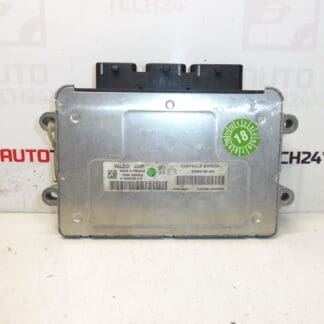
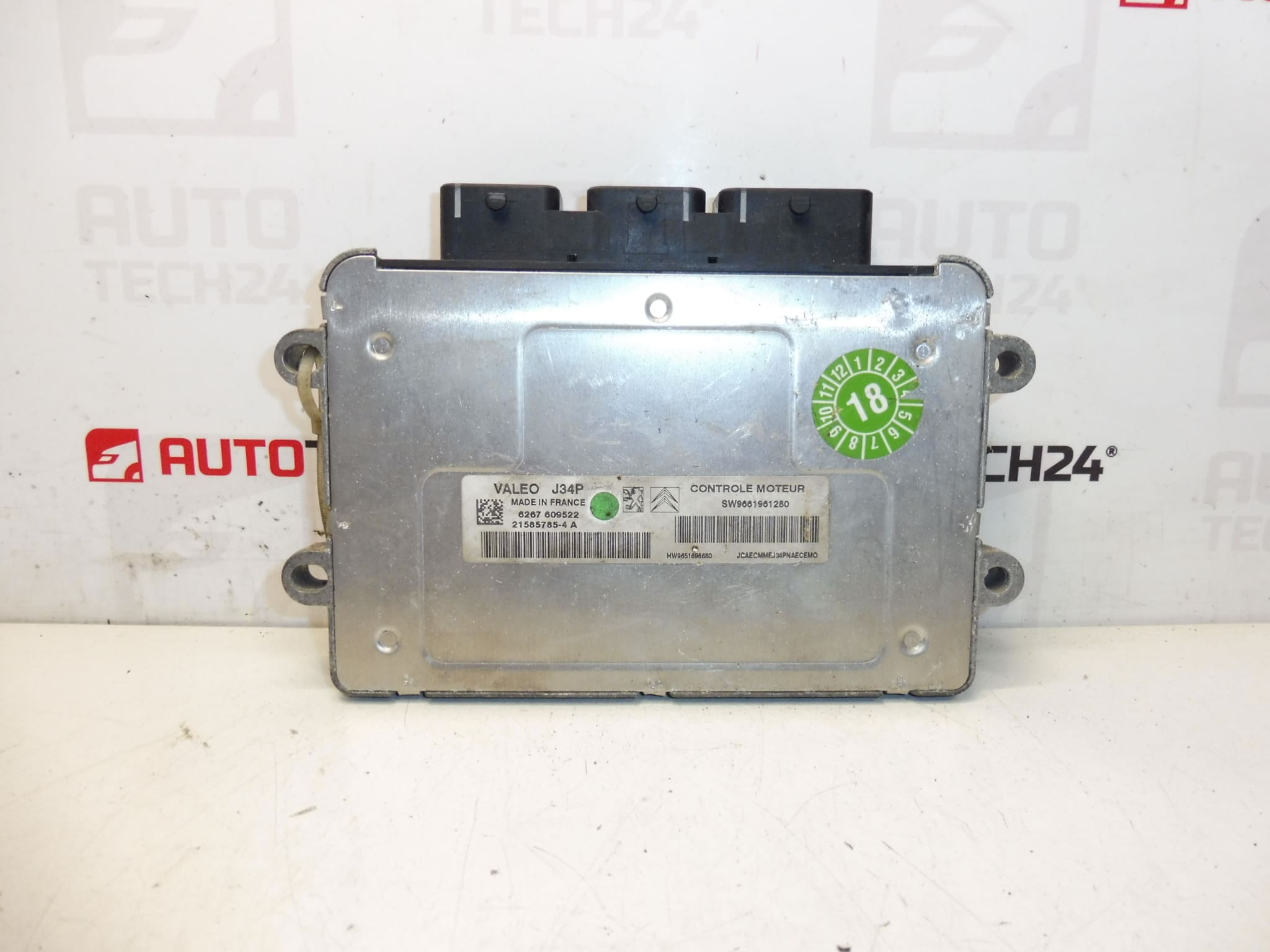
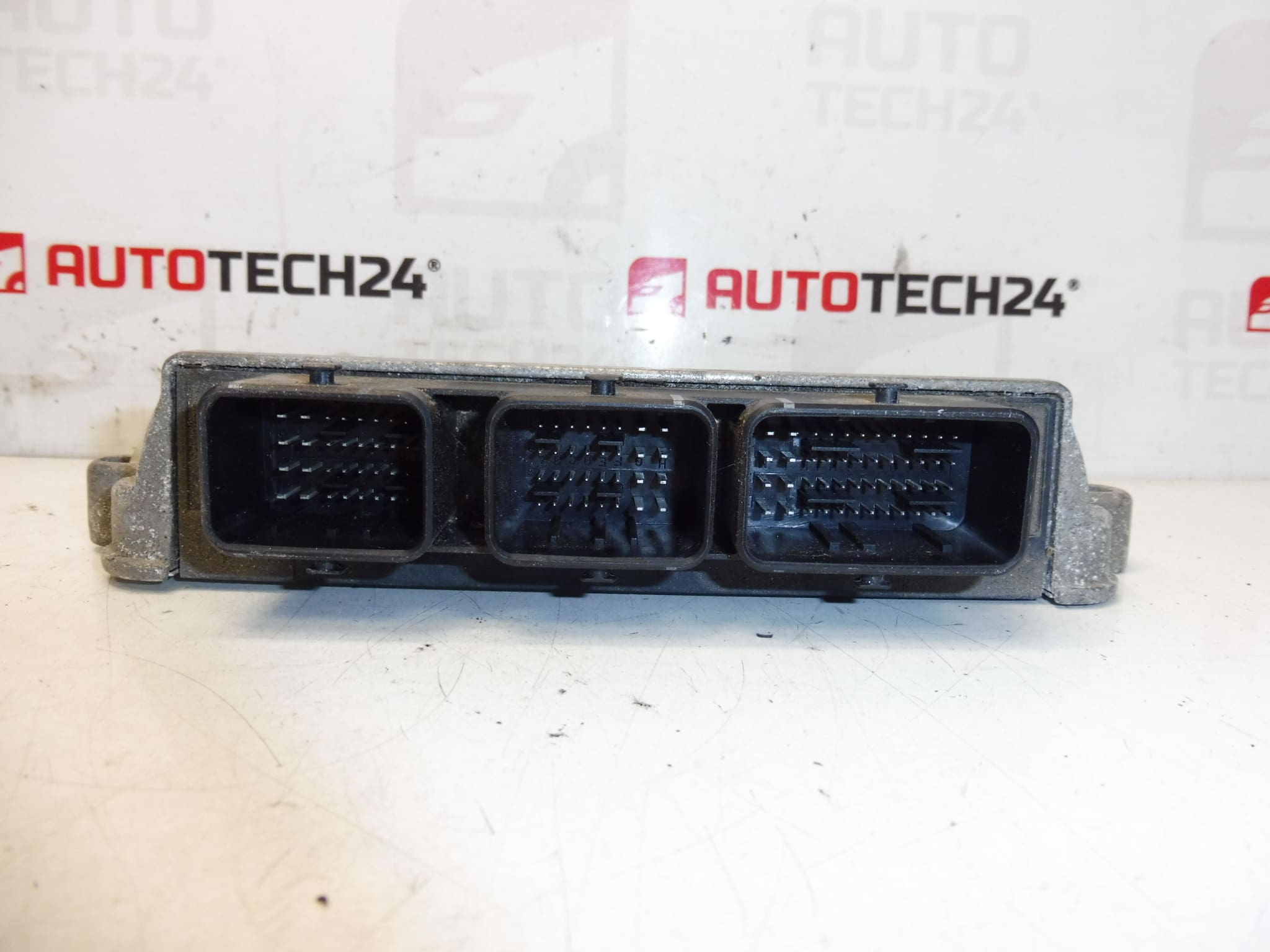
Engine Injection Control Unit VALEO J34P for Citroën and Peugeot vehicles. It is from Citroën C3 2006 1.1 44 kW HFX.
This Valeo J34P Engine Control Unit (ECU) is a dedicated injection control module used in small-displacement PSA petrol engines. It governs fuel injection, ignition timing and basic engine management to ensure stable idle, low emissions and reliable drivability. The unit is commonly referenced by part numbers such as 9651696680, 9661961280 and 1939HQ, making it easy to locate in parts catalogs or when searching online.
Designed for professional workshops and experienced DIY mechanics, this ECU offers a cost-effective replacement option when the original module fails. Typical symptoms that indicate ECU issues include no-start condition, erratic idle, engine misfires, persistent check engine light and limp-home mode. Note that after physical replacement the unit often requires data transfer or coding to restore immobilizer functions and vehicle-specific settings.
Technical Information
- Manufacturer: Valeo
- Model: Citroën C3 2006 1.1 (Engine Code HFX, 44 kW)
- Product Codes: 9651696680, 9661961280, 1939HQ
- Other Numbers: 1943HG, 1942Y1, NFP
Installation And Coding – Important
– The unit is used and is paired with the original vehicle (VIN/PIN/keys).
– Options for commissioning:
- Cloning data from the old unit (EEPROM/Flash) – after cloning the unit is plug and play.
- Virginization and subsequent initialization/telecoding via DiagBox (or online) + key adaptation.
– Recommended to be performed by a specialist with PSA service equipment (DiagBox/Lexia/PP2000).
– Before removal/installation always disconnect the battery and follow the manufacturer procedure to avoid damaging the unit.
Installation Recommendations
- Disconnect the negative battery terminal before any work to prevent electrical damage.
- Locate the ECU and release all connector locks carefully; mark connectors if needed to ensure correct reassembly.
- Inspect pins and connector housings for corrosion or bent contacts; clean or replace as required.
- If possible, perform EEPROM/Flash cloning from the original unit prior to replacing to preserve immobilizer and vehicle-specific parameters.
- After mechanical installation, complete coding/initialization and key adaptation with appropriate PSA diagnostic tools or by a qualified technician.
- Do not open the ECU housing unless qualified to repair electronic modules; improper handling can cause irreversible damage.
Why This Part Fails Most Often
- Water Ingress And Corrosion: Moisture penetration and corroded connectors are very common failure causes on older vehicles.
- Thermal Stress And Solder Joint Failure: Repeated heating cycles lead to cracked solder joints or damaged electronic components.
- Electrical Surges And Poor Battery/Charging System: Voltage spikes, jump-starts or failing alternators can damage internal electronics.
- Mechanical Vibration And Impact: Harsh vibrations or impact can break internal components or connectors.
- Connector Damage And Wiring Faults: Broken pins, contaminations or shorted wiring harnesses often mimic ECU failure.
Typical Diagnostic Tips: Check for stored fault codes with a suitable scanner, visually inspect connectors and wiring, test supply voltages and grounds, and if available compare live data from sensors. When in doubt, cloning or professional reprogramming often restores full functionality without replacing immobilizer or key data.