Description
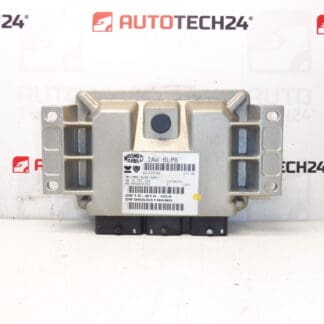
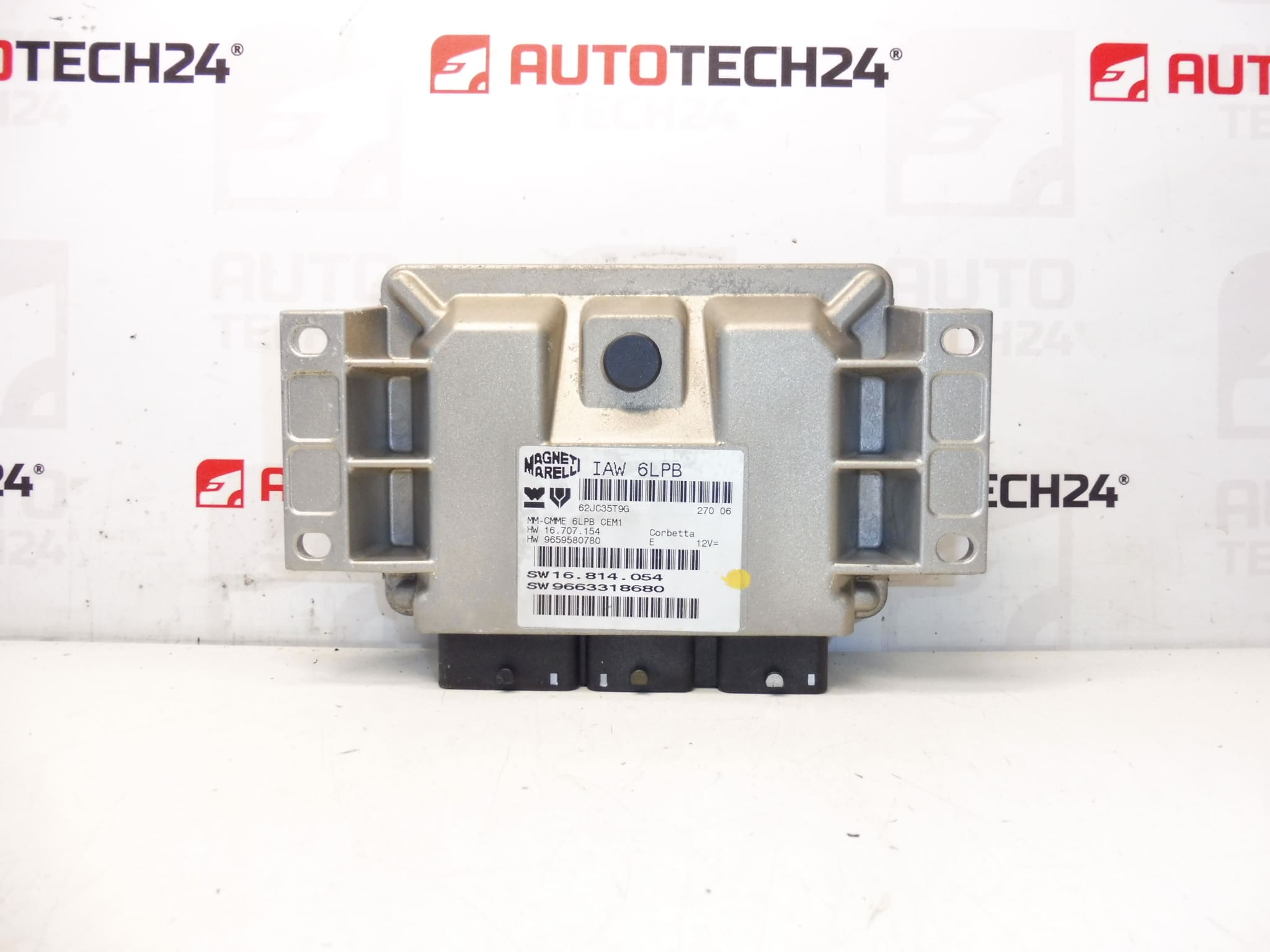
Magneti Marelli IAW 6LPB Engine Control Unit for Citroën and Peugeot vehicles
This Magneti Marelli IAW 6LPB ECU is intended for petrol 2.0 16V applications on selected Citroën and Peugeot models. It controls fuel injection, ignition timing and engine diagnostics, and is commonly referenced by part numbers 9663318680 and 9659580780. The unit is suitable for professional workshops and experienced DIY mechanics who perform ECU replacement, cloning or coding.
Function And Application
The IAW 6LPB is an engine management unit that monitors sensors (air mass, throttle position, coolant temperature, crankshaft/camshaft position, oxygen sensors) and controls actuators (injectors, ignition coils, idle control). It optimizes fuel delivery and ignition for performance, emissions and drivability and stores fault codes for on-board diagnostics (OBD). Proper operation is essential for stable idle, fuel economy and correct engine response.
How To Replace
- Safety first: Disconnect the negative battery terminal before any work to avoid short circuits or damage to the ECU.
- Locate the ECU (position depends on model; may be in the engine bay or under the dashboard). Remove any protective covers or brackets.
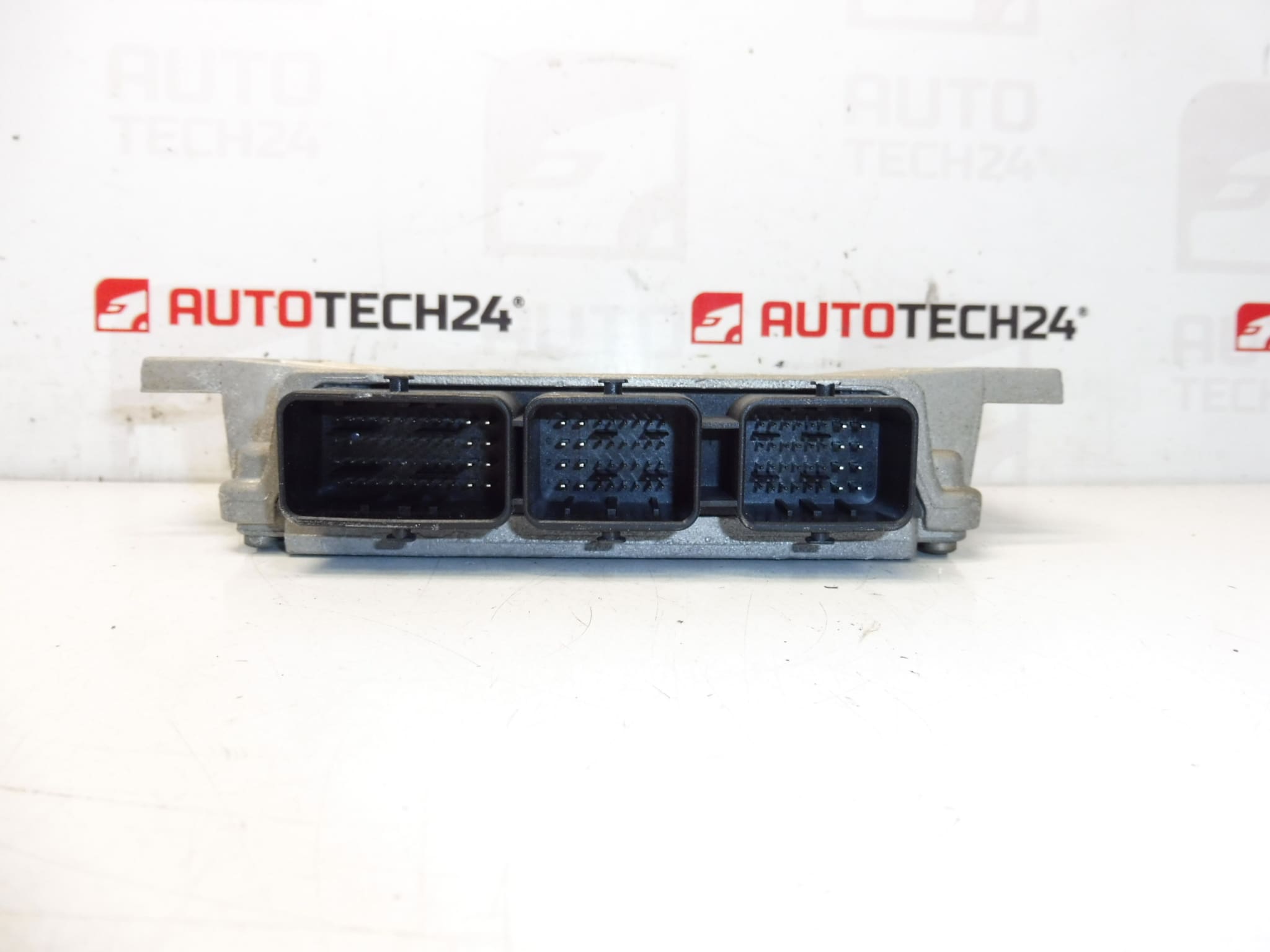
- Carefully unplug all electrical connectors, releasing locking tabs to avoid connector damage.
- Remove mounting fasteners and extract the unit. Swap the replacement unit into the mounting position and secure fasteners to the correct torque.
- Reconnect connectors, reattach covers and reconnect the battery. Note: After mechanical installation, coding or cloning is usually required for the vehicle to accept and fully operate with the replacement ECU (see Installation and Coding – Important below).
Technical Information
- Manufacturer: Magneti Marelli
- Model: IAW 6LPB (2.0 16V)
- Product Codes: 9663318680, 9659580780
- Other Numbers: 1942ZN, 1942ZP
- Compatible Models: Citroën C5; Peugeot 307; Peugeot 407 (applications depend on engine and year)
Installation Recommendations
- Always disconnect the battery before removal or installation and follow the vehicle manufacturer’s procedures.
- Protect the ECU from moisture and contamination during work. Inspect and clean connector pins and gaskets; replace damaged seals.
- Avoid static discharge: handle the unit by its housing and do not touch electronic components or pins directly.
- After fitting, verify wiring integrity and battery voltage. Perform an OBD scan to clear codes and confirm communication with the ECU after coding/cloning.
- If wiring harness or sensors show corrosion or intermittent faults, repair these before installing the new ECU to prevent premature failure.
Why This Part Commonly Fails
- Water Ingress And Corrosion: Moisture entering the unit or connectors causes short circuits and corrosion of pins or internal boards.
- Electrical Surges: Poor battery connections, jump-starting errors or alternator faults can cause voltage spikes that damage electronics.
- Thermal Stress And Vibration: Repeated heating/cooling cycles and mechanical vibration can crack solder joints or electronic components.
- Connector Damage And Wiring Faults: Bent pins, loose terminals or chafed wiring lead to intermittent communication and failures.
- Software/Data Corruption: Corrupted EEPROM/Flash data can cause incorrect engine behavior; in many cases cloning or reprogramming is required.
Installation And Coding – Important
- The unit is used and is “paired” with the original vehicle (VIN/PIN/keys).
- Options to enable the unit:
- Cloning data from the old unit (EEPROM/Flash) – after cloning the unit is plug and play.
- Virginization and subsequent initialization/telecoding via DiagBox (or online) + key adaptation.
- Recommended to be performed by a technician with PSA service equipment (DiagBox/Lexia/PP2000).
- Before removal/installation always disconnect the battery and follow the manufacturer’s procedure to avoid damaging the unit.
Searchable keywords: ECU Magneti Marelli, IAW 6LPB, 9663318680, 9659580780, Citroën ECU, Peugeot ECU, 2.0 16V engine management. Suitable for professionals and skilled DIY mechanics who can perform electrical diagnostics, cloning or coding with the appropriate tools.