Description
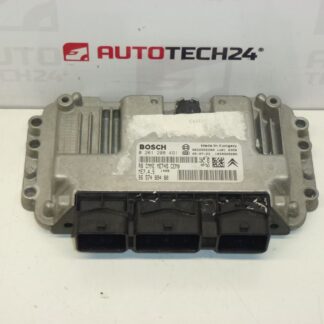
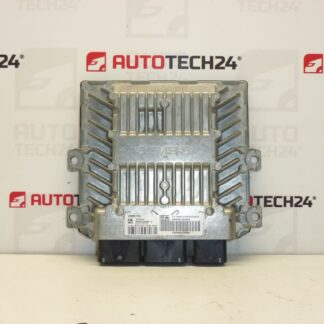
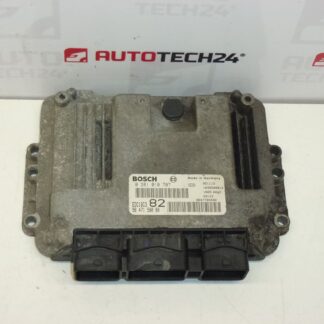
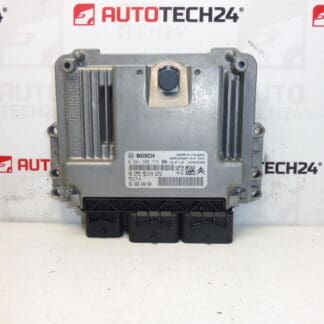
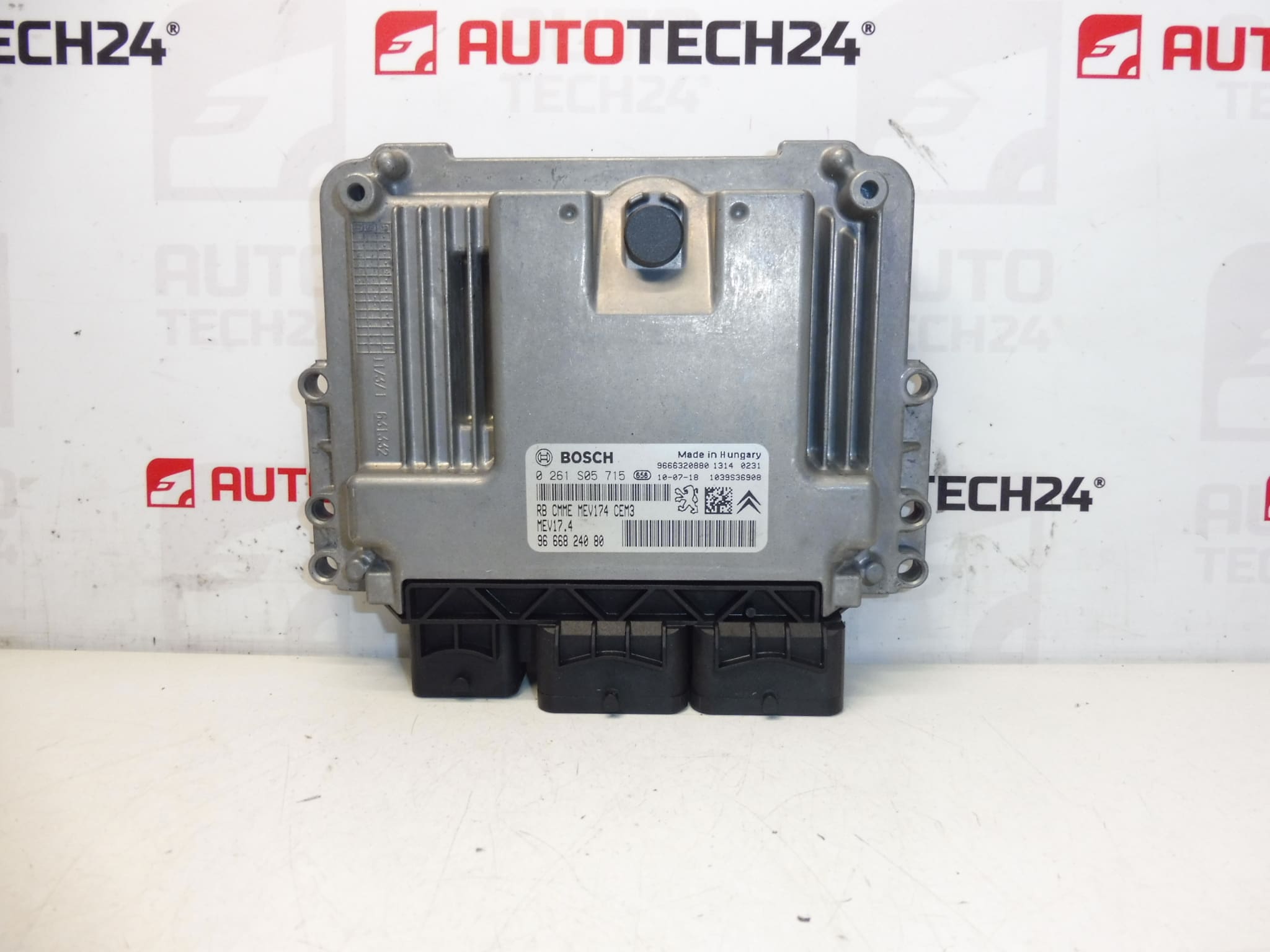
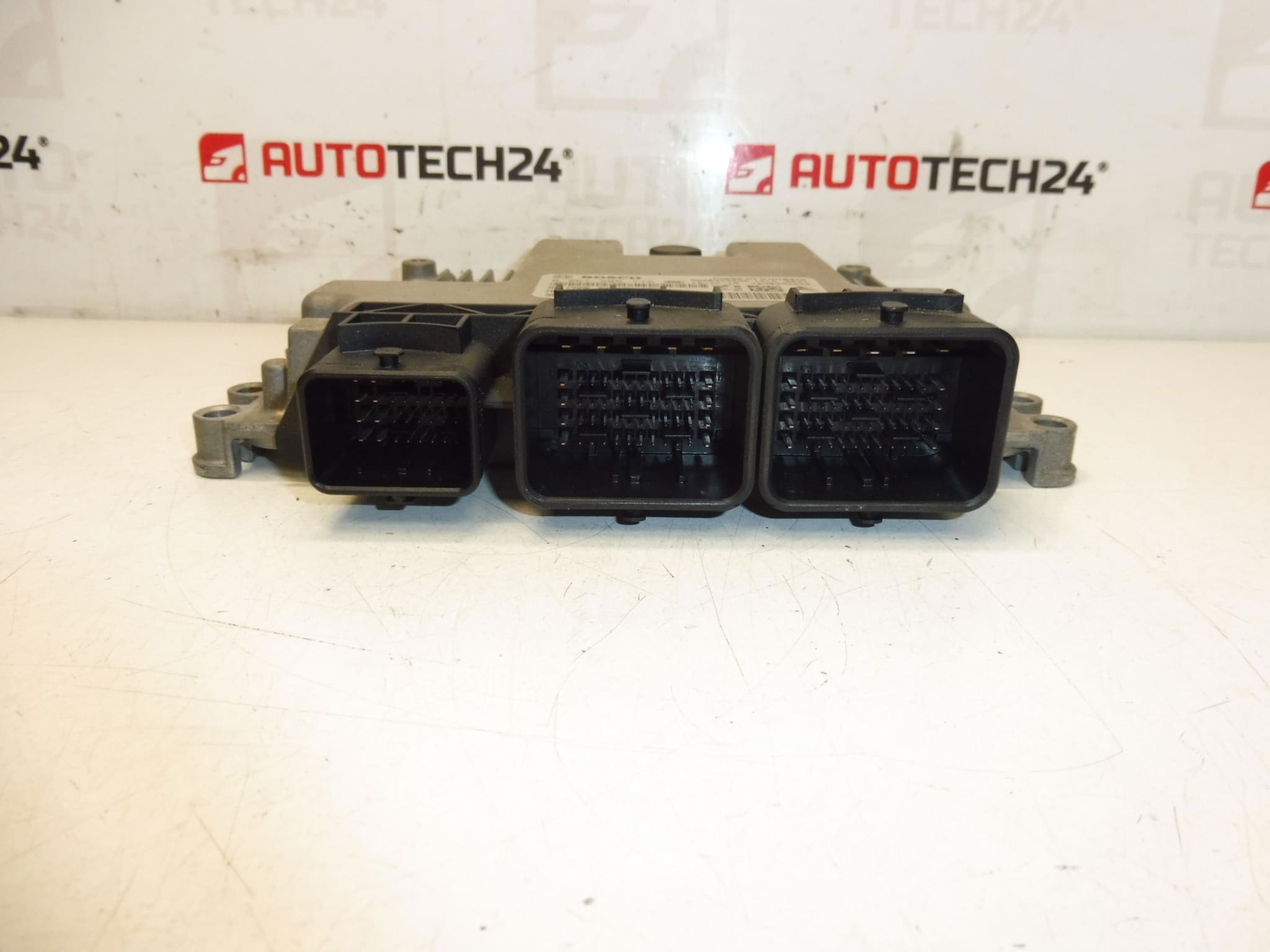
Bosch Injection Control Unit For Citroën And Peugeot Vehicles With The 1.6 VTi Engine. It Is From A Peugeot 308 1.6 VTi (Engine Code 5FS).
This Bosch MEV17.4 injection ECU is a direct-fit electronic control unit originally fitted to Peugeot and Citroën cars equipped with the 1.6 VTi engine family. Designed to manage fuel injection, ignition timing and engine sensors, this module restores accurate engine control and diagnostics when the original unit is faulty. Ideal for professional garages and skilled DIY mechanics, the unit is often searched by reference numbers such as 0261S05715 or 9666824080 — include these when searching to improve findability.
Technical Information
- Manufacturer: Bosch
- Model: MEV17.4 (Injection Control Unit)
- Product Codes: 0261S05715, 9666824080
- Other Numbers: 9666320880, 1610570880, 1943WS
Compatible Vehicles / Typical Applications
Unit Origin: Peugeot 308 1.6 VTi (Engine Code 5FS). This ECU is used on a range of Citroën and Peugeot models equipped with the 1.6 VTi engine; the exact fit depends on software and hardware coding. Always match the unit part numbers listed above with the vehicle’s existing ECU label before installation.
Function And Symptoms Of Failure
As the engine management brain, the ECU controls fuel injection timing, ignition timing, idle control, sensor signal processing and emission-related functions. Common symptoms of a failing ECU include:
- Engine Doesn’t Start Or Hard Starting
- Intermittent Stalling Or Misfires
- Poor Fuel Economy And Loss Of Power
- Illuminated Check Engine Light And Stored Fault Codes
- Limp Mode Or Restricted Engine Performance
Replacement Procedure
Basic steps for replacing the ECU (for experienced technicians):
- Disconnect The Battery Before Any Work To Prevent Short Circuits Or Damage.
- Label And Photograph Connectors To Ensure Correct Reconnection.
- Remove Any Trim Or Covers Securing The ECU And Unscrew Fasteners.
- Carefully Disconnect Wiring Harnesses; Avoid Pulling On Wires.
- Install The Replacement Unit, Reconnect Harnesses And Fasten Securely To Manufacturer Torque Where Specified.
- Reattach Battery And Perform Required Coding/Initialization Or Data Cloning (see Important Note Below).
- Clear Fault Codes And Perform A Road Test To Confirm Correct Operation.
Installation And Coding – Important
- The Unit Is Used And Is “Paired” With The Original Vehicle (VIN/PIN/Keys).
- Options For Commissioning:
- Cloning Data From The Old Unit (EEPROM/Flash) – After Cloning The Unit Is Plug And Play.
- Virginization And Subsequent Initialization/Telecoding Via DiagBox (Or Online) + Key Adaptation.
- Recommended To Be Carried Out By A Technician With PSA Service Equipment (DiagBox/Lexia/PP2000).
- Always Disconnect The Battery Before Removal/Installation And Follow Manufacturer Procedures To Avoid Damaging The Unit.
Installation Recommendations
- Work In A Clean, Dry Environment To Prevent Moisture Or Contaminant Ingress.
- Observe Electrostatic Discharge Precautions; Use An ESD Wrist Strap When Handling The ECU.
- Inspect Connectors And Wiring For Corrosion Or Damage And Repair As Necessary Before Fitting The New Unit.
- If Reusing Mounting Hardware, Ensure Fasteners Are Tight And Rubber Mounts Are In Good Condition To Avoid Vibration-Related Failures.
Why This Part Most Commonly Fails
- Thermal Stress And Repeated Heating/Cooling Cycles Leading To Solder Joint Failures.
- Water Or Moisture Ingress Causing Corrosion Or Short Circuits.
- Electrical Surges Or Poor Grounding Affecting Internal Electronics.
- Faulty Or Shorted Sensors/Actuators Passing Faults Back To The ECU.
- Physical Damage From Impact Or Incorrect Installation.
Notes For Professionals
This listing is aimed at technicians and competent DIYers who understand ECU handling and vehicle coding procedures. Use the referenced part numbers (0261S05715, 9666824080, etc.) when searching databases or ordering to increase the chance of a correct match. After installation, verify all engine functions and clear any historic fault codes with appropriate diagnostic tools.