Description
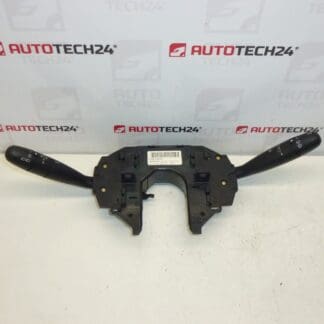
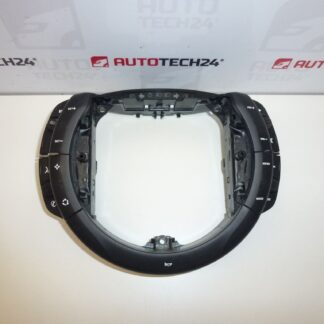
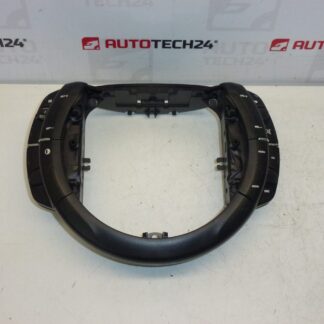
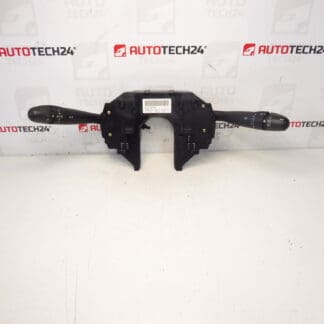
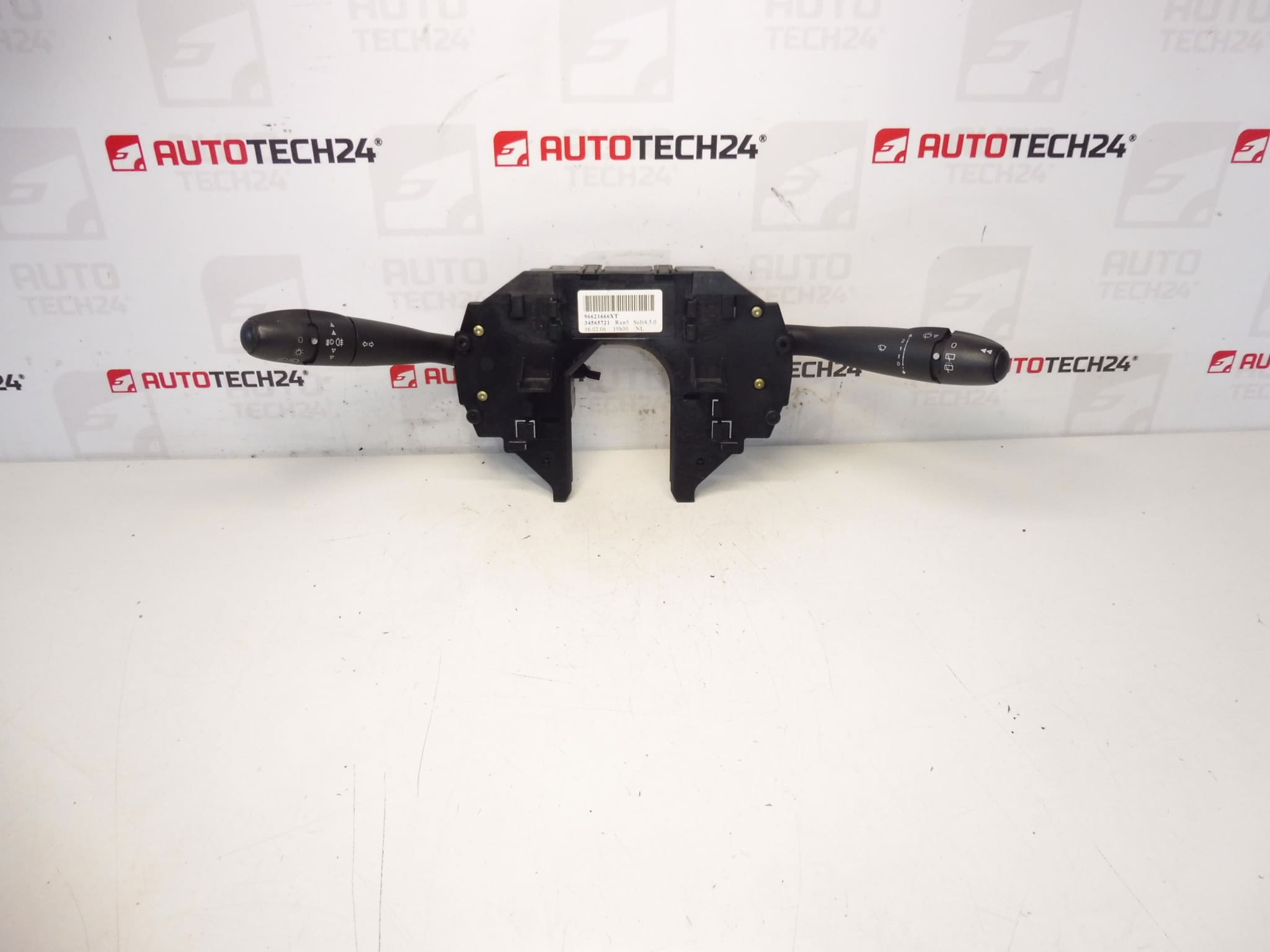
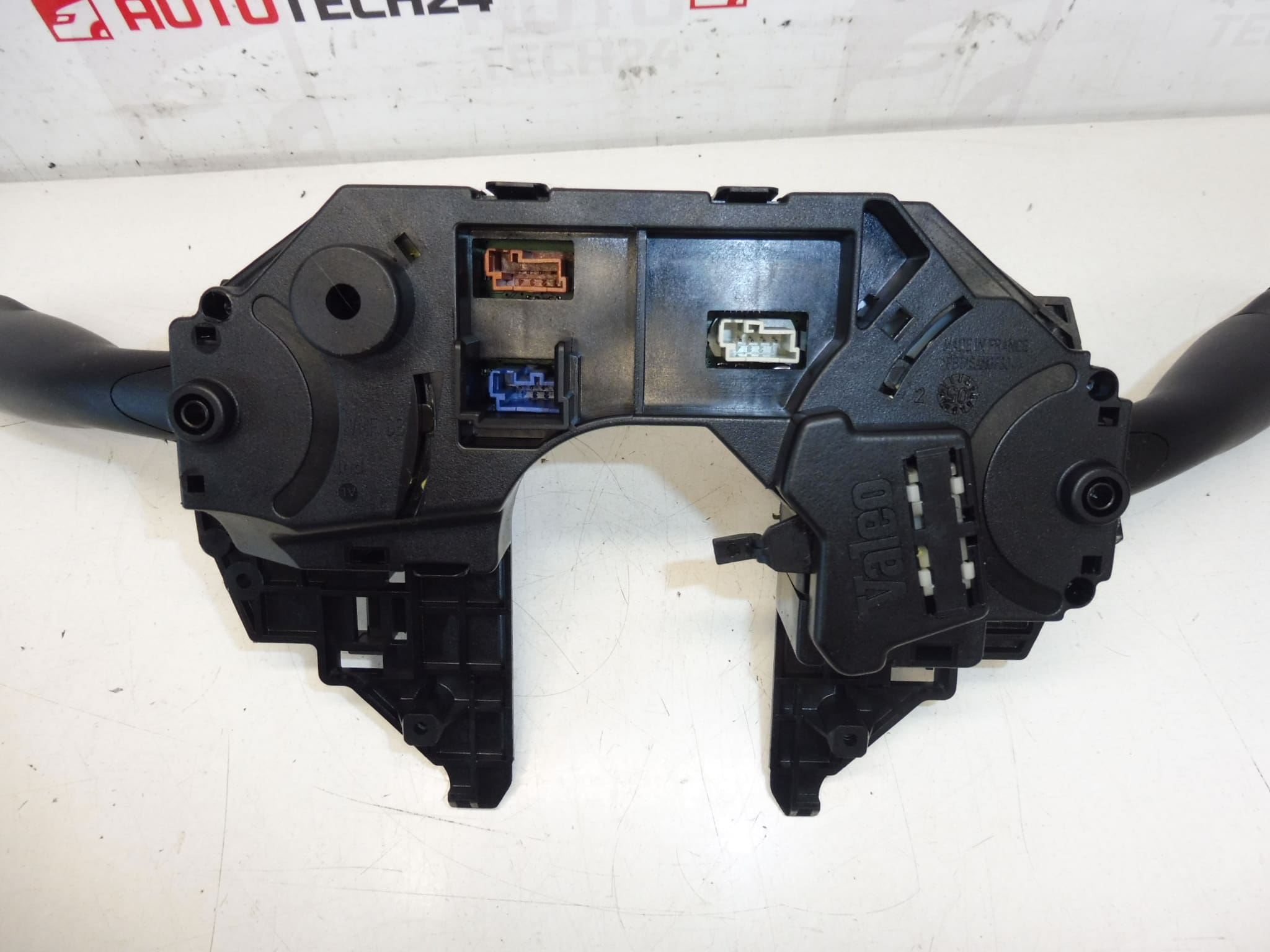
VALEO steering wheel controls for CITROEN C4, C4 PICASSO and GRAND PICASSO cars of the first series
They control the fog lights, the front and rear wipers, the wiper sensor and the on-board computer
Part description
This used part is intended for Citroën C4, C4 PICASSO and GRAND PICASSO first series cars. These are controllers under the steering wheel, which ensure convenient and correct control of multiple car functions from the driver’s seat. This makes replacement a suitable solution in case of non-functioning levers, intermittent control or mechanical damage to the original part.
The controls control the fog lights, front and rear wipers, wiper sensor and on-board computer. When looking for the right part, the marking on the original piece is particularly decisive, so we recommend carefully comparing the product numbers as well as the design of the connectors and control elements.
Technical information
- Manufacturer: VALEO
- Model: Citroën C4, Citroën C4 PICASSO, GRAND PICASSO first series
- Other numbers: 96621666XT, 6242HJ, 624346
Product codes
- Product codes: 96621666XT, 6242HJ, 624346
- Model names: Citroën C4, Citroën C4 PICASSO
Installation recommendations
Generally/typically for changing controls under the steering wheel, the exact procedure may vary depending on the specific car design and equipment. Before the assembly itself, it is always advisable to compare the old and new part in the smallest detail.
1) Before assembly
- Check that the product numbers and the overall design of the part match.
- Compare the shape of the levers, connectors, attachment and placement of the controls.
- Inspect the used part for cracks, broken parts or damaged contacts.
- Before working, disconnect the battery and wait a reasonable time to minimize the risk of damage to electrical components.
2) Necessary tools and materials
- A common set of hand tools
- Screwdrivers and possibly bits according to the used connecting material
- Plastic pry bar for removing covers
- Clean cloth
- Preparation for gentle cleaning of electrical contacts, if needed
3) Step-by-step assembly procedure
- Secure the vehicle against movement and turn off the ignition.
- Disconnect the battery.
- Remove the covers around the steering column so that the controls can be safely accessed.
- Carefully disconnect the electrical connectors from the original part.
- Check the condition of the connectors and wiring for looseness, oxidation or mechanical damage.
- Unfasten the original controls and remove the part without force.
- Compare the original and the new part side by side, especially the mounting, connectors and functions of the individual levers.
- Place the replacement controls in place and check for proper fit.
- Connect the electrical connectors so that they are fully seated and secure.
- Reinstall all the removed covers and check that nothing is obstructing the movement of the levers.
- Connect the battery.
- After switching on the ignition, try the individual functions of the controls.
-
4) Post-assembly checks and function verification
- Verify fog light control function.
- Check the operation of the front and rear wipers.
- Test the function of the wiper sensor if it is used in the car.
- Check the operation of the on-board computer.
- Watch whether the levers move smoothly, without stuttering and without spontaneous switching of functions.
5) The most common assembly mistakes + how to avoid them
- Interchange of similar part – always compare numbers and physical design.
- Damage to covers or latches – use appropriate tools and proceed without excessive force.
- Insufficiently inserted connectors – after connecting, check their correct seating.
- Assembly without function check – always check all controlled functions after assembly.
- Working with a connected battery – it is safer to disconnect the battery before disassembling and assembling an electrical part.
Reasons why the part is damaged
- Normal wear and tear from everyday use of levers and switches.
- Mechanical stress or rough handling that can damage the internal mechanism.
- Wear of the contacts, which is manifested by failures or irregular function.
- Moisture and dirt which can negatively affect the electrical connection.
- Improper disassembly or assembly which results in damage to the attachment, connectors or plastic parts.