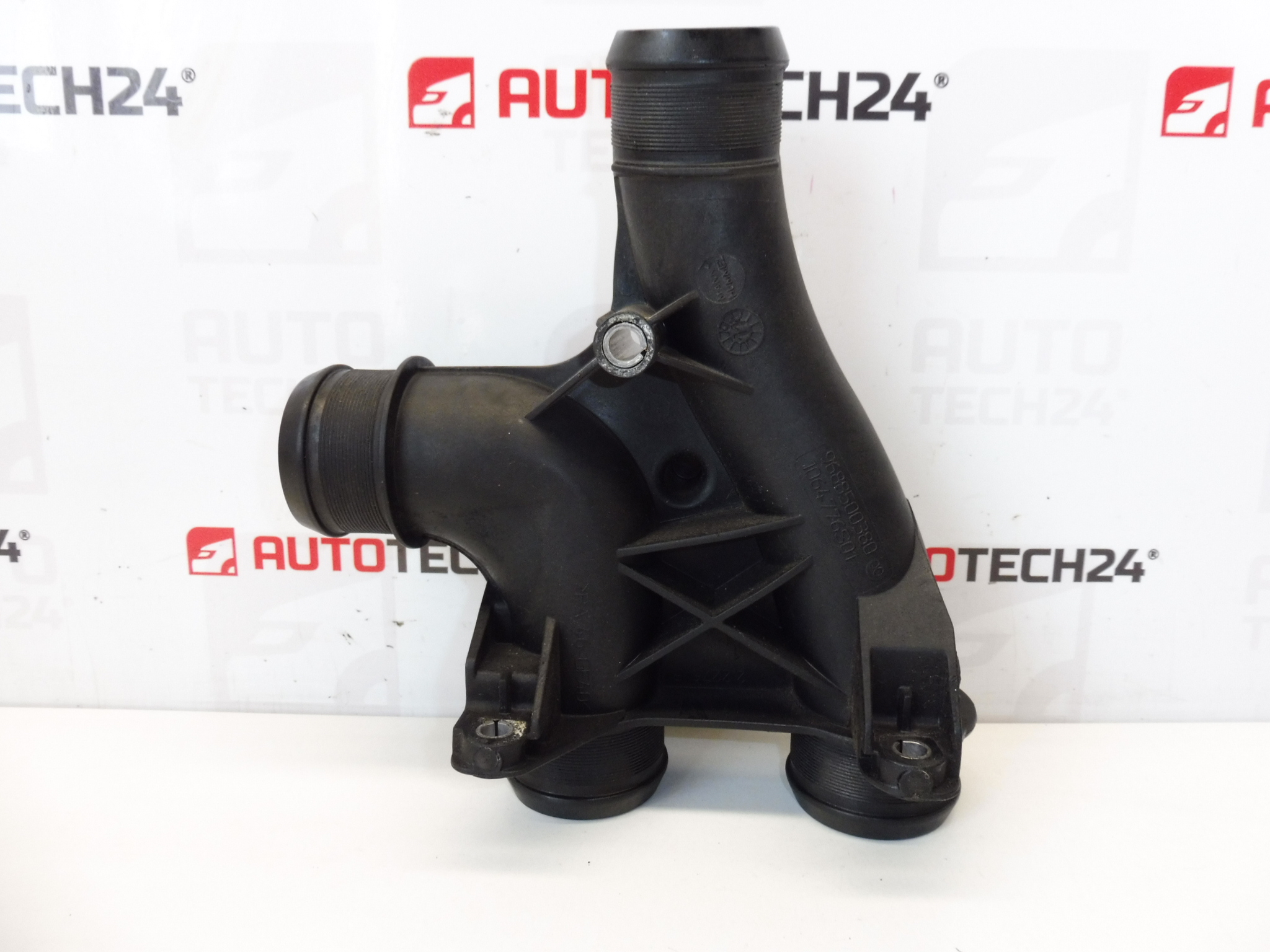
Turbocharger Citroën Peugeot 1.5 HDI 64,000 km 9813245480 1631887280

212.00

Stellantis Citroën Peugeot
Part numbers 9813245480 1631887280
49172-03100

1 in stock

SKU: 7846-M1_K13 Categories: , ,

Description

Turbocharger for 1.5 HDI 75 kW engines of Citroën, Peugeot, Opel, Fiat and Toyota. Removed from a vehicle with 64,000 km.

Product Overview

This genuine used turbocharger is suitable for 1.5 HDI 75 kW applications found across several Stellantis platforms. It is an economical replacement for workshops and experienced DIY mechanics looking to restore boost pressure, engine performance and fuel efficiency. Common search terms include turbocharger 1.5 HDI, Citroën turbo, Peugeot turbo, and the part numbers listed below (9813245480, 1631887280, 49172-03100).

Compatibility

Typical compatible models (engine variants and sub-versions may vary):

  • Citroën Berlingo III
  • Peugeot Partner III
  • Peugeot Rifter
  • Fiat Doblo III
  • Opel Combo E K9
  • Toyota ProAce City

Function And Common Symptoms

The turbocharger increases intake air pressure to improve engine torque and power while maintaining efficiency. Common symptoms of a failing turbo include loss of boost, excessive blue or black smoke on acceleration, whining or grinding noises from the turbo area, oil consumption or visible oil in the intercooler/intake piping, and poor throttle response.

How Failures Typically Occur

Most turbo failures result from oil-related issues and foreign-object damage. Typical causes:

  • Oil Starvation Or Blocked Oil Return: Clogged return lines or insufficient oil supply cause bearing wear and overheating.
  • Contaminated Or Degraded Oil: Particles or coking reduce lubrication and damage bearings.
  • Intake Debris: Ingested particles from a damaged air filter or loose intake components damage compressor blades.
  • Soot Build-Up And EGR/DPF Issues: Excessive soot can accelerate wear and obstruct oil circuits.
  • Excessive Exhaust Temperatures Or Over-Revving: Thermal and mechanical overstress shortens turbo life.

Replacement And Installation Guidance

Recommended approach for fitment (for experienced mechanics):

  • Prepare Work Area: Allow engine to cool. Support the vehicle safely and work with proper lighting.
  • Remove Intake And Exhaust Connections: Detach intake hoses, intercooler pipes, and the exhaust downpipe to access the turbo.
  • Disconnect Oil And Coolant Lines: Drain any residual pressure and cap lines to avoid spillage. If coolant lines are present, disconnect them as well.
  • Unbolt Turbo Mounts And Remove Unit: Support the turbo before removing mounting bolts to avoid damage.
  • Inspect And Clean: Check oil feed and return lines, intercooler and intake tract for debris or metal particles. Replace any clogged or damaged lines.
  • Fit New Gaskets And Seals: Always use new exhaust and oil/coolant gaskets. Ensure correct orientation and alignment.
  • Prime Oil Supply Before First Start: Crank the engine without starting to build oil pressure to the turbo (or follow manufacturer priming procedure) so the bearings are lubricated before running under load.
  • Follow Torque And Sequence Specs: Tighten fasteners to the vehicle manufacturer’s torque settings and procedures.
  • Post-Installation Checks: Start engine, check for leaks (oil, coolant, exhaust), monitor for abnormal noises, and allow the engine to reach normal temperature; perform a careful test drive with progressive load increases.

Note: Replace engine oil and filter if contamination or metal particles are present. Inspect air filter and intake system to prevent rapid re-failure.

Installation Recommendations

For reliable results:

  • Use New Gaskets And Clamps: Never reuse exhaust or oil feed/return gaskets.
  • Clean Oil Circuits: Ensure oil feed and return lines are free of sludge and restrictions.
  • Prime The Turbo Oil Supply: Prevent dry starts by ensuring oil reaches the turbo before operation.
  • Check Related Systems: Inspect EGR, DPF and intercooler for soot or restrictions that accelerate turbo wear.
  • Follow Manufacturer Procedures: Tighten to OEM torque values and observe recommended sequences.

Most Common Reason For Failure

The single most frequent cause of turbo failure is oil-related damage — either oil starvation, blocked return lines or oil contamination — which leads to bearing failure and shaft play. Preventive maintenance on oil and air systems is essential to maximize turbo life.

Technical Information

  • Manufacturer: Stellantis (Citroën / Peugeot)
  • Model: 1.5 HDI 75 kW
  • Product Codes: 9813245480, 1631887280
  • Other Numbers: 49172-03100
  • Condition: Used, removed at 64,000 km

Additional Notes For Mechanics

This turbo is intended for professional fitment or by experienced DIYers familiar with turbocharged diesel engines. Always follow health and safety procedures and the vehicle manufacturer’s service manual during the replacement. Proper oil quality and scheduled maintenance significantly extend turbo life.

Additional information

Weight 4 kg