Description
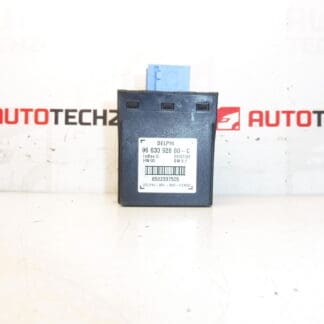
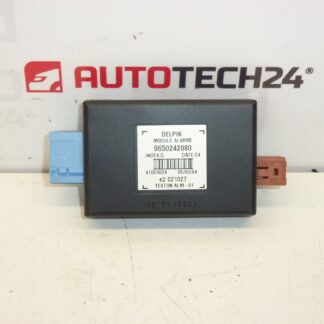
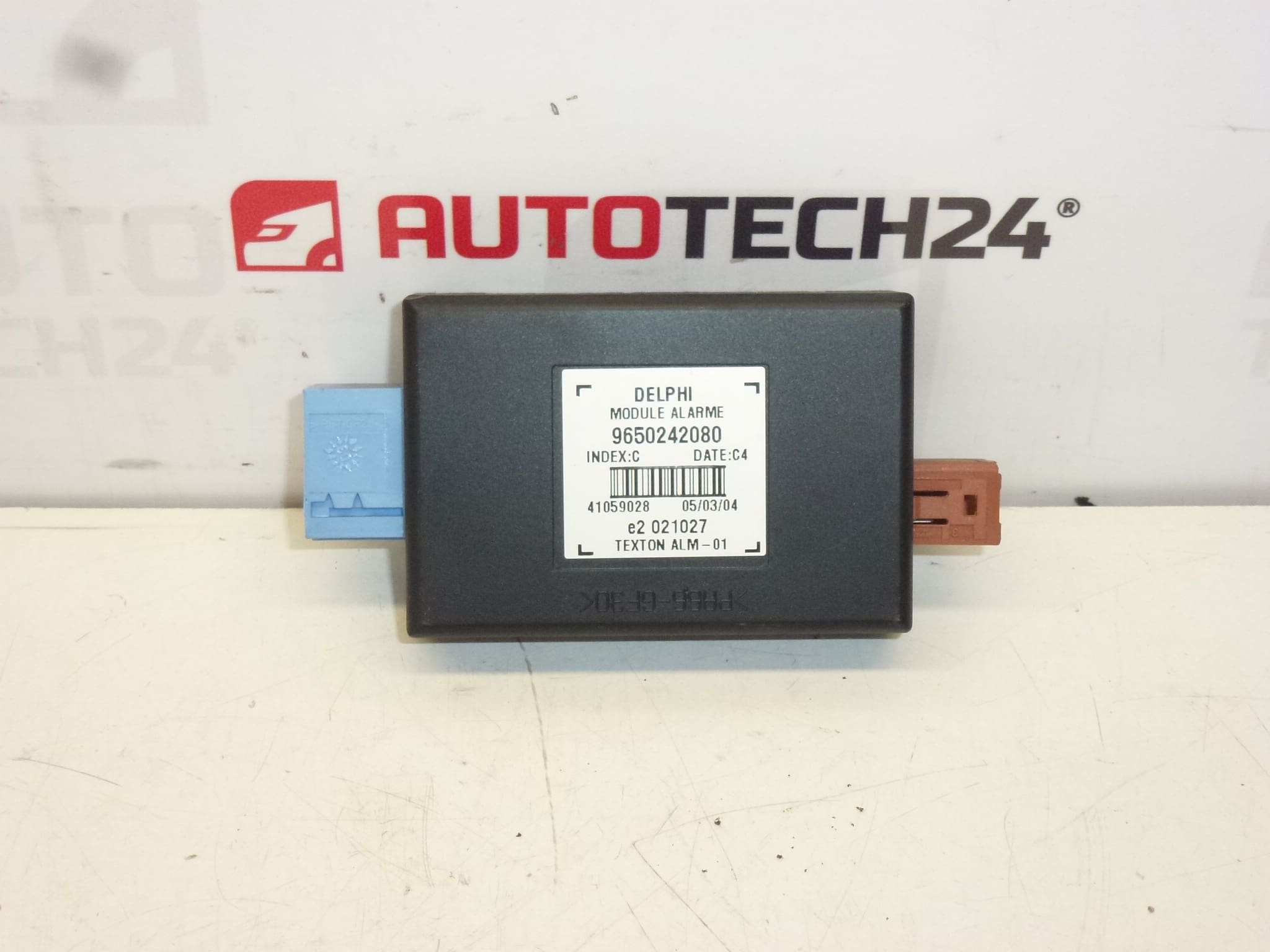
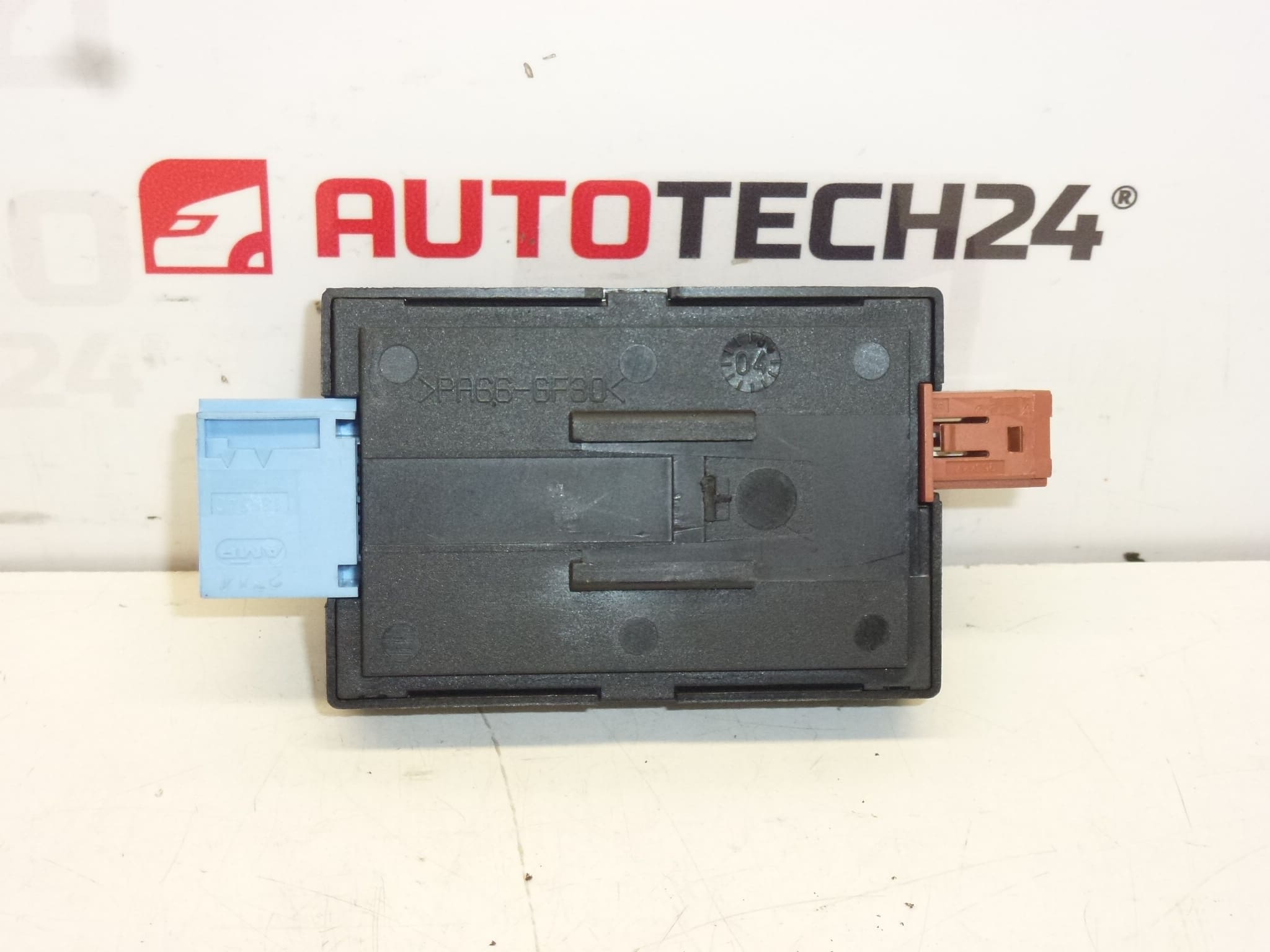
Delphi Alarm Control Unit for Citroën and Peugeot vehicles
This alarm control unit (alarm ECU) is a direct-fit electronic module used in a range of Citroën and Peugeot models. It manages the vehicle alarm, remote locking inputs and interfaces with the central locking and immobiliser systems. The unit is commonly referenced by part numbers 9650242080, 6680Q1 and 6680L0, so many technicians and DIYers search by these codes when sourcing replacement parts. Suitable for workshop replacements and careful self-repair, this module restores alarm functions and helps eliminate false triggers or battery drain related to a faulty alarm ECU.
Technical Information
Manufacturer: Delphi
Model: Citroën C4, Citroën C5, Citroën C6, Citroën C8; Peugeot 206, Peugeot 307, Peugeot 407, Peugeot 607, Peugeot 807
Product Codes: 9650242080, 6680Q1, 6680L0
Additional Numbers: NFP
Function And Symptoms
The alarm control unit centralises alarm logic: arming/disarming, door and boot monitoring, siren output and interfaces to the immobiliser and remote central locking. Typical symptoms of a failing unit include false alarms, inability to arm/disarm the alarm, central locking operation failures, parasitic battery drain, or diagnostic fault codes related to the alarm/BCM communication.
Installation Recommendations
Before installation, disconnect the negative battery terminal to avoid short circuits. Locate the alarm ECU (commonly found behind the dashboard, under the glovebox or near the centre console depending on model). Remove interior trim panels carefully to access the unit and unplug connectors by releasing retaining clips—do not pull on wiring. Transfer any mounting brackets and secure the replacement unit in the original position. Reconnect connectors firmly and check for corrosion or bent pins; apply a small amount of dielectric grease to terminals if appropriate. After fitting, the unit may require coding or synchronisation with the vehicle using a diagnostic tool (manufacturer-specific tools such as DiagBox or equivalent). Verify central locking, alarm arming/disarming and immobiliser status as part of final testing. If unsure about coding, have a qualified technician complete the final steps.
Why This Part Fails
Common causes of alarm ECU failure are water ingress and moisture (often from leaks or high-humidity environments), connector corrosion, electrical surges or improper jump-starting, damage from collisions or careless removal/installation, and gradual component ageing (electrolytic capacitors and solder joints). Aftermarket remote or alarm installations and poor wiring repairs can also damage the unit or its inputs.