Description
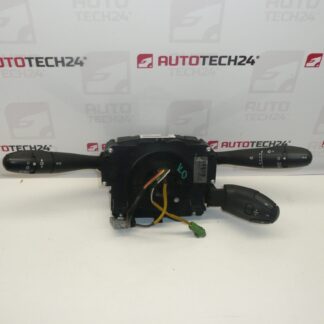
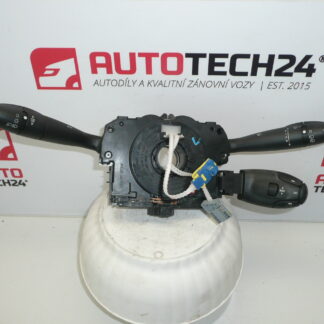
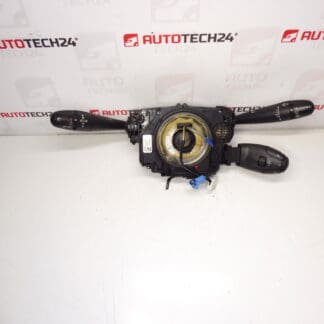
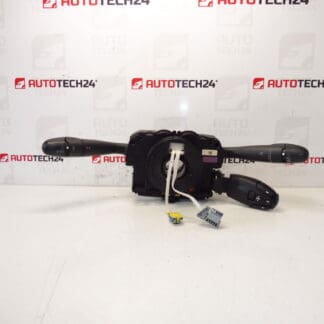
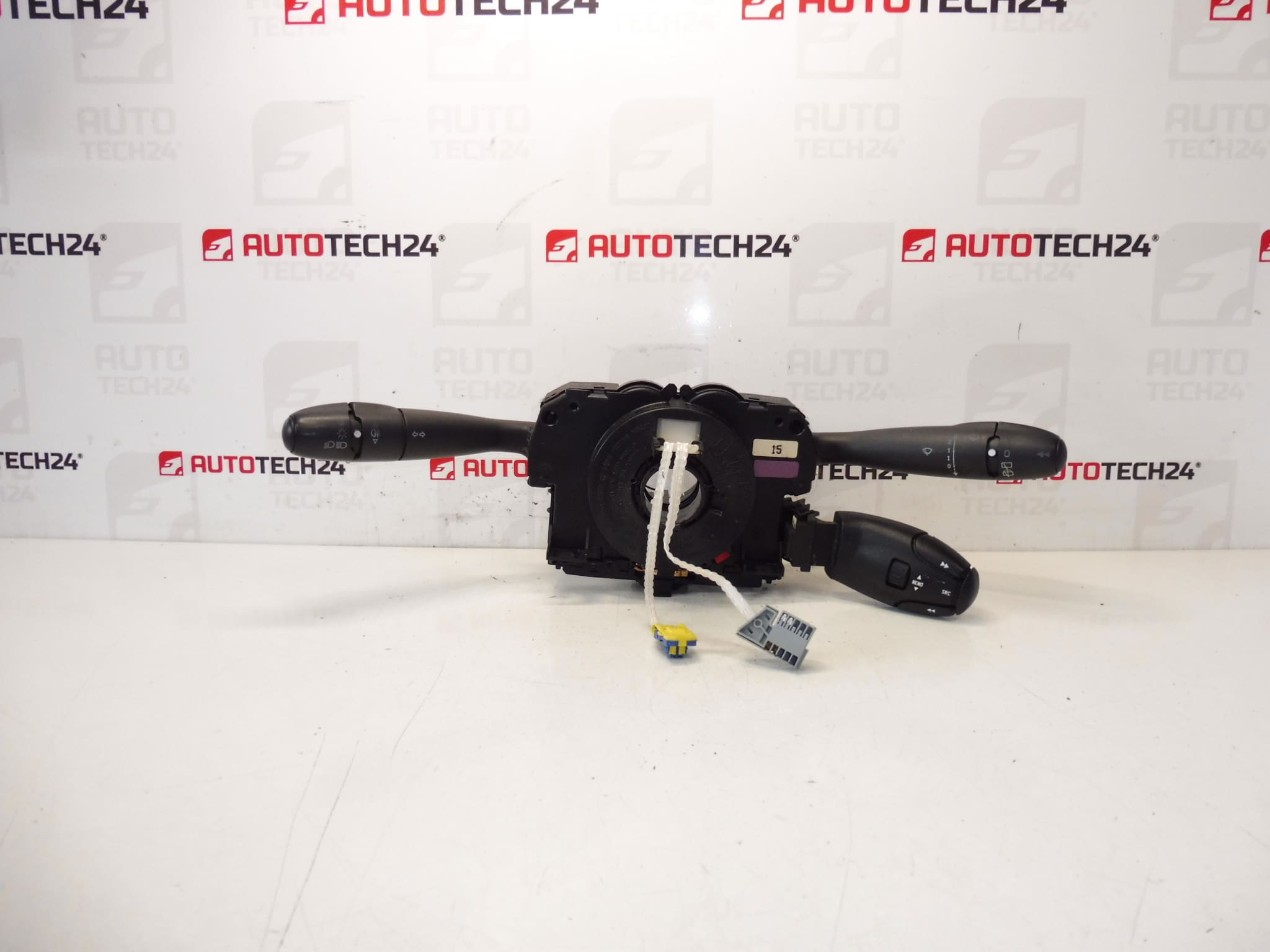
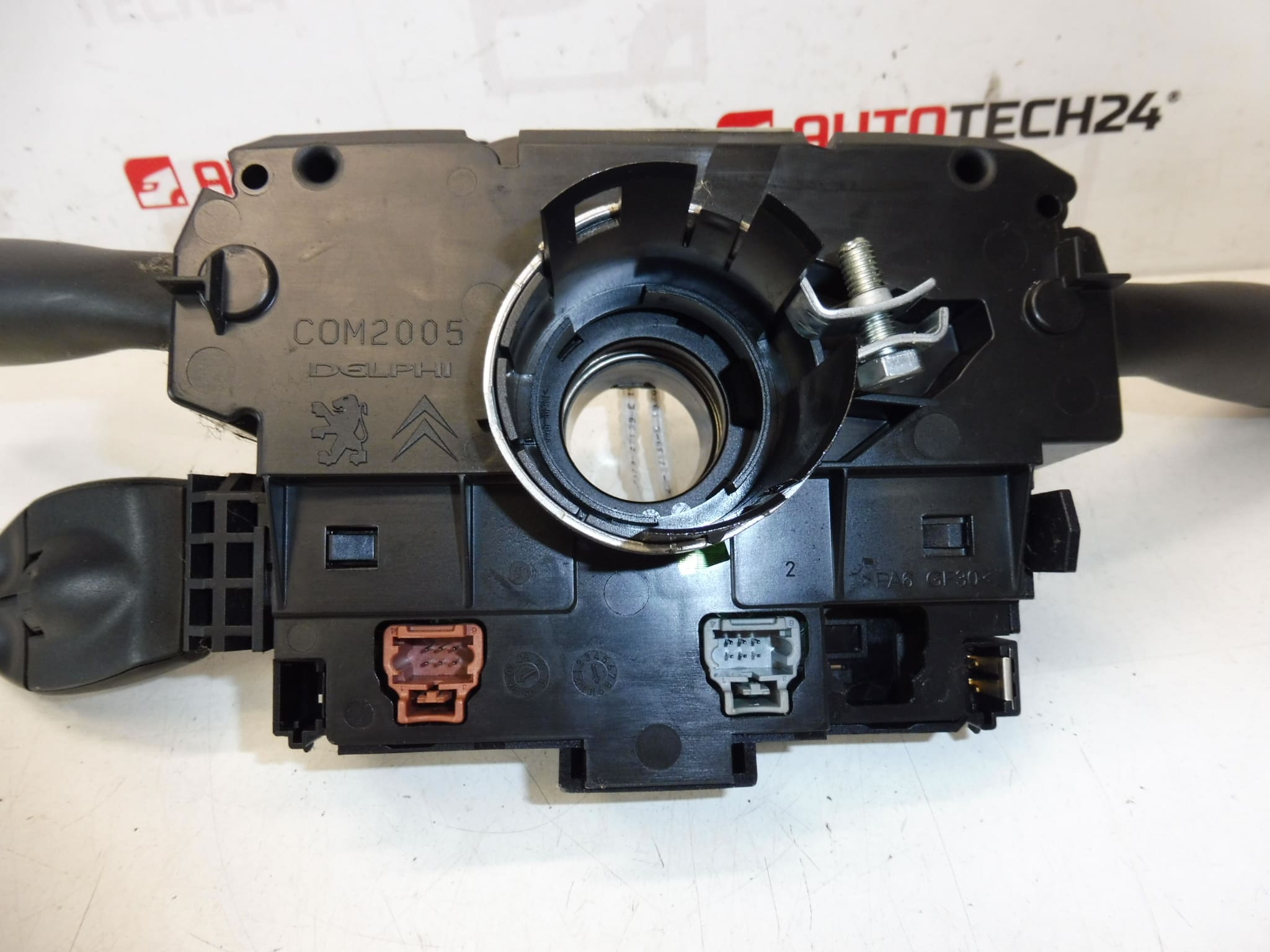
Multifunctional COM2005 DELPHI control stalk block for Citroën and Peugeot vehicles. Controls lights, fog lamps, car radio, cruise control and car radio (controller must be supplied or transferred), front and rear wipers, horn.
Product Overview
This COM2005 DELPHI multifunction stalk block is a direct-fit steering column control unit used on a range of Citroën and Peugeot models. It consolidates multiple functions into one compact module: lighting and indicators, fog lights, cruise control commands, audio/radio control (radio control unit must be supplied or transferred), front and rear wiper control and horn activation. Built for professional workshops and competent DIY mechanics, the unit simplifies repairs where individual stalks or electrical contacts have failed.
Benefits And Fitment
Designed for easy replacement in vehicles from the PSA/Stellantis family, this control unit reduces the number of separate switches on the column and restores full steering-column functionality. Suitable for mechanics and experienced DIYers, it can significantly cut diagnostic and repair time compared with repairing individual contacts or wiring. Common search terms include COM2005, DELPHI Stalk, Steering Column Switch, and the OE part numbers listed below.
Technical Information
- Manufacturer: Delphi
- Model: COM2005 (Multifunction Control Stalk Block)
- Product Codes: 96601446XT, 96640423XT, 6242X3
- Other Numbers: 6242GF, 96660124XT, 6242VW, 98069813XT
- Compatible Models (Examples): Citroën Berlingo II, Berlingo III, C2, C3 I, C3 II, DS3; Peugeot Partner II, Partner III (including Partner Tepee). Always check exact model year and equipment level for fitment.
Installation Recommendations
Before starting work, disconnect the battery and follow the vehicle manufacturer’s safety procedure, especially when working near airbags. General replacement steps: remove steering column trim panels, disconnect the wiring harness from the old stalk block, release retaining clips or screws, install the new COM2005 unit, reconnect the harness and reassemble trims. Verify all functions (lighting, indicators, wipers, horn, cruise and radio controls) before final reassembly.
Why This Part Fails
Failures are most commonly caused by worn electrical contacts inside the stalk block, mechanical wear from repeated use, ingress of moisture leading to corrosion, or internal connector/solder joint degradation. Symptoms include intermittent or non-functioning indicators, flickering or non-responsive lights, loss of wiper functions, inoperative horn or cruise control commands. Replacing the complete COM2005 module is often the most reliable long-term repair when internal contact cleaning or partial fixes are not practical.
Practical Tips For Mechanics
- Test functions immediately after installation while the steering column is still accessible to avoid repeated disassembly.
- Keep track of any transferred radio or cruise control sub-modules—some installations require moving small plugs or control levers from the old unit to the new one.
- Avoid forcing connectors; inspect pins for corrosion or damage and clean connector mates before reassembly.