Description
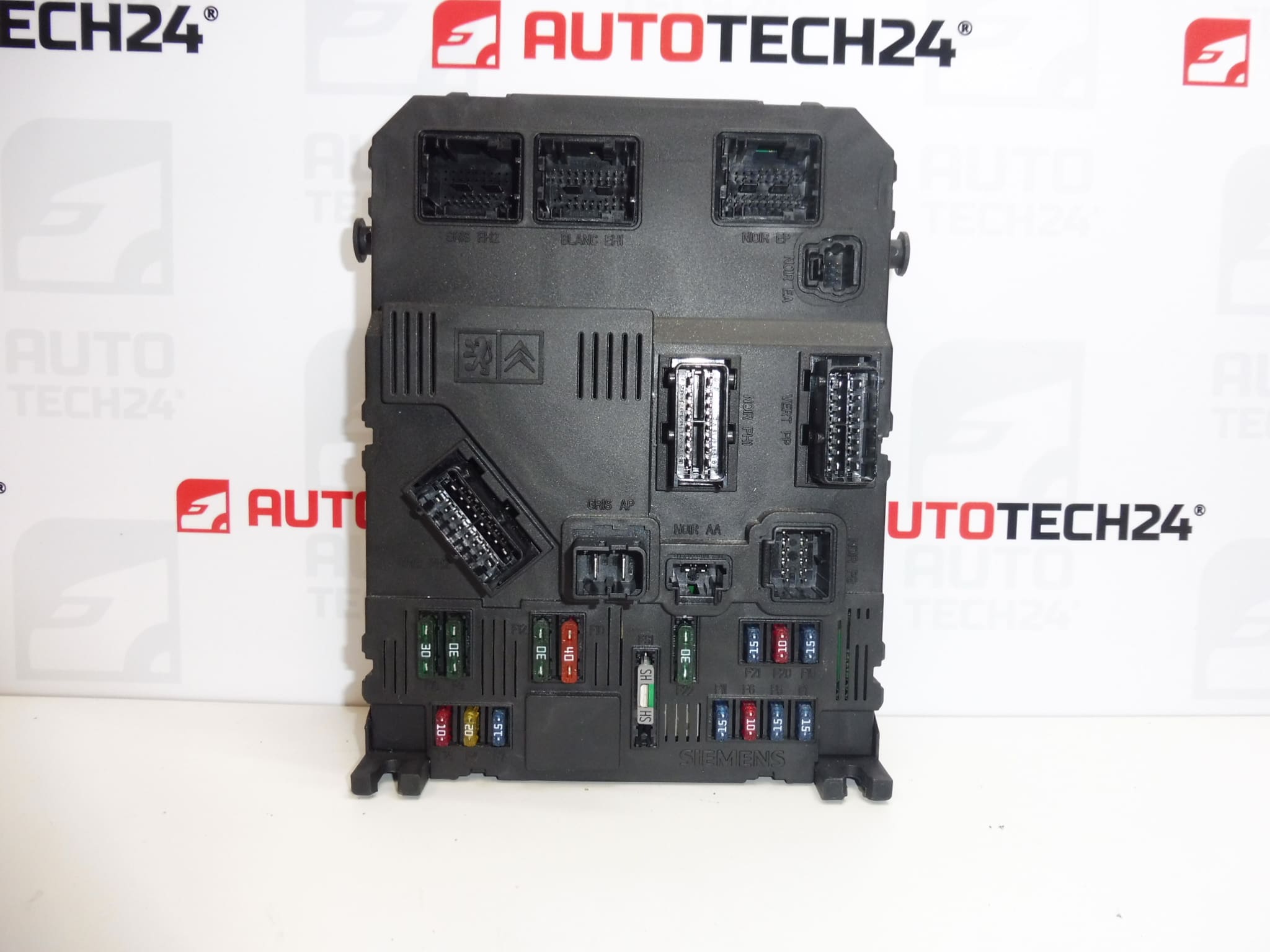
Multifunction BSI Unit For Peugeot 206
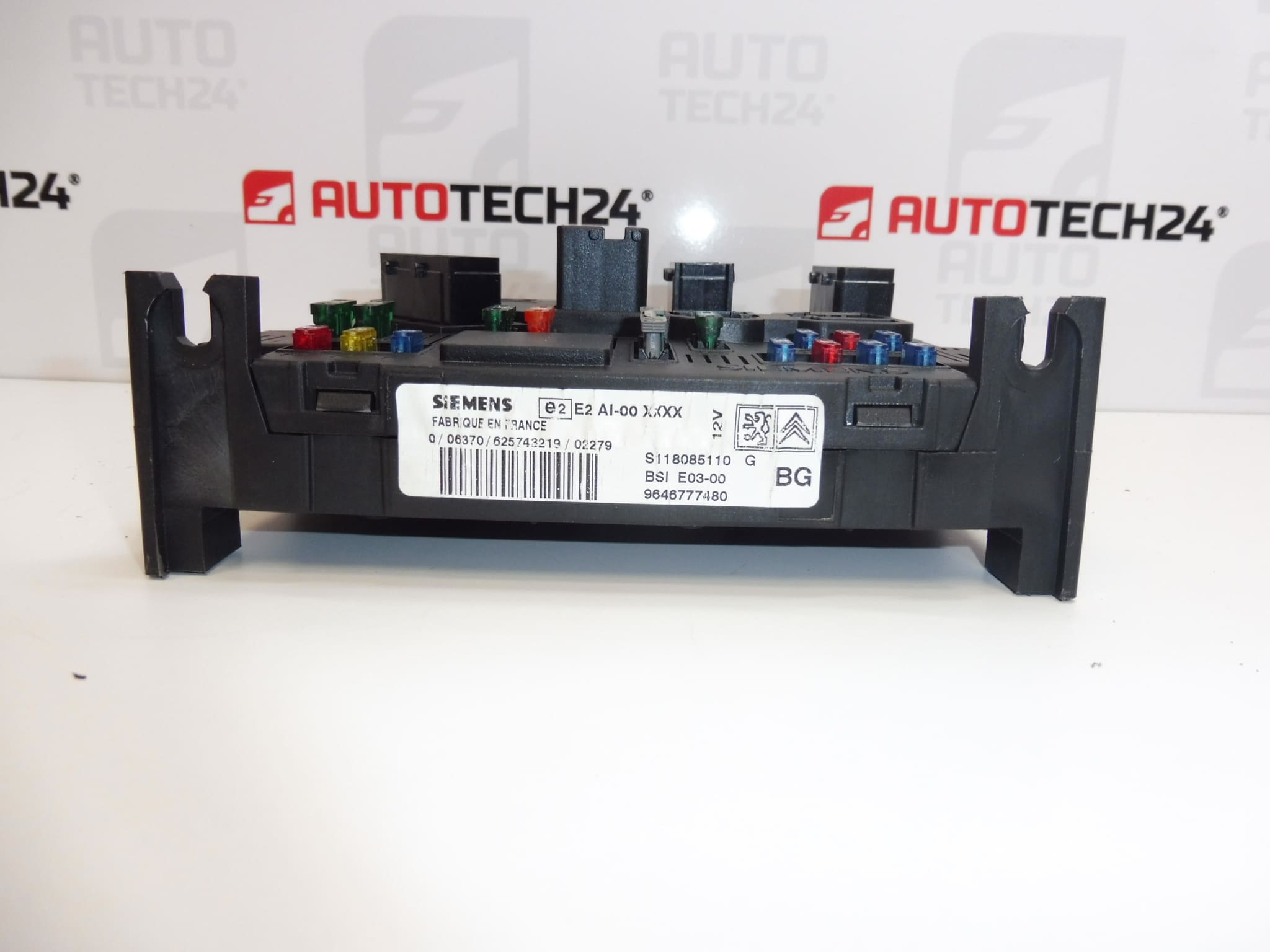
This multifunction BSI unit is a direct-swap electrical control module designed for Peugeot 206 vehicles. Ideal for professional workshops and experienced DIY mechanics, the unit manages central locking, interior lighting, wipers, indicators, immobilizer interfaces and many convenience features. Replacing a faulty BSI restores reliable body electronics and reduces intermittent faults that can affect daily use and vehicle safety. Common search queries include BSI Peugeot 206, BSI 96496777480, BSI E02-00 and Siemens BSI — this listing includes key part numbers to help you find the correct unit quickly.
Technical Information
- Manufacturer: Siemens
- Model: Peugeot 206
- Product Codes: 96496777480
- Additional Numbers: 1650882680, 6580HE, BSI E02-00
Compatibility And Application
Fits Peugeot 206 vehicles equipped with the BSI E02-00 comfort module. Confirm the unit type and part numbers against the existing module before installation. This BSI controls multiple body and comfort functions across various 206 trims.
Functionality
The BSI (Built-In Systems Interface) is the central comfort and body control unit. It coordinates: central locking and remote receivers, interior and exterior lighting logic, wipers and washers, windscreen wiper interval control, alarm and immobilizer interfaces, window and sunroof control (where fitted), and distribution of switched power to many convenience circuits. Faulty BSI behavior can cause loss of multiple functions simultaneously or intermittent electrical faults.
Replacement Guide
- Disconnect The Battery: Always isolate the negative battery terminal before any work on the vehicle electrics.
- Locate The BSI: On Peugeot 206 models the BSI is typically located behind the glovebox or under the dashboard on the passenger side. Remove the glovebox or trim panels to access the unit.
- Remove Connectors And Fasteners: Unplug all electrical connectors carefully, releasing locking tabs. Remove mounting screws and extract the BSI.
- Swap And Secure: Fit the replacement unit, reconnect connectors and secure all fasteners. Refit trim and glovebox.
- Programming/Initialization: Most BSI replacements require cloning or reprogramming to restore immobilizer and key functions — see below for recommended methods.
Installation And Coding – Important
- Unit Is Used And Paired With The Original Vehicle (VIN/PIN/Keys).
- Activation Options:
- Cloning Data From The Old Unit (EEPROM/Flash) – After Cloning The Unit Is Plug And Play.
- Virginization And Subsequent Initialization/Telecoding Via DiagBox (Or Online) + Key Adaptation.
- Recommended To Be Performed By A Specialist With PSA Service Equipment (DiagBox/Lexia/PP2000).
- Always Disconnect The Battery Before Removal/Installation And Follow Manufacturer Procedures To Avoid Damaging The Unit.
Installation Recommendations
- Work In A Clean, Dry Environment To Avoid Contamination Of Connectors.
- Mark Connector Positions Before Disconnection To Ensure Proper Reconnection.
- Use Anti-Static Precautions When Handling The BSI Circuit Board Or Connectors.
- If Possible, Clone The Original EEPROM/Flash To Preserve Immobilizer And Personal Settings; Otherwise Plan For Professional Reinitialization.
- Check Battery Voltage And Charging System Health Before And After Installation — Low Voltage Events Are A Common Cause Of Control Unit Failure.
Why This Part Fails Most Often
- Water Ingress And Corrosion: Moisture can penetrate the housing or connectors causing corrosion of pins and PCB tracks.
- Solder Joint Cracks And Thermal Stress: Repeated temperature cycles and vibration can cause solder joints to crack, leading to intermittent faults.
- Electrical Surges And Faulty Wiring: Short circuits, poor grounds or jump-start events can damage internal electronics.
- Age And Component Wear: Relays and electrolytic components within the unit degrade over time and may fail.
- Poor Aftermarket Repairs Or Improper Diagnostics: Incorrect handling or unsuitable repair methods can leave residual faults.
This BSI unit is offered with the listed part numbers to simplify identification. Suitable for workshops and experienced DIYers familiar with vehicle electronics. Proper cloning or professional initialization is normally required to restore full vehicle functionality after replacement.