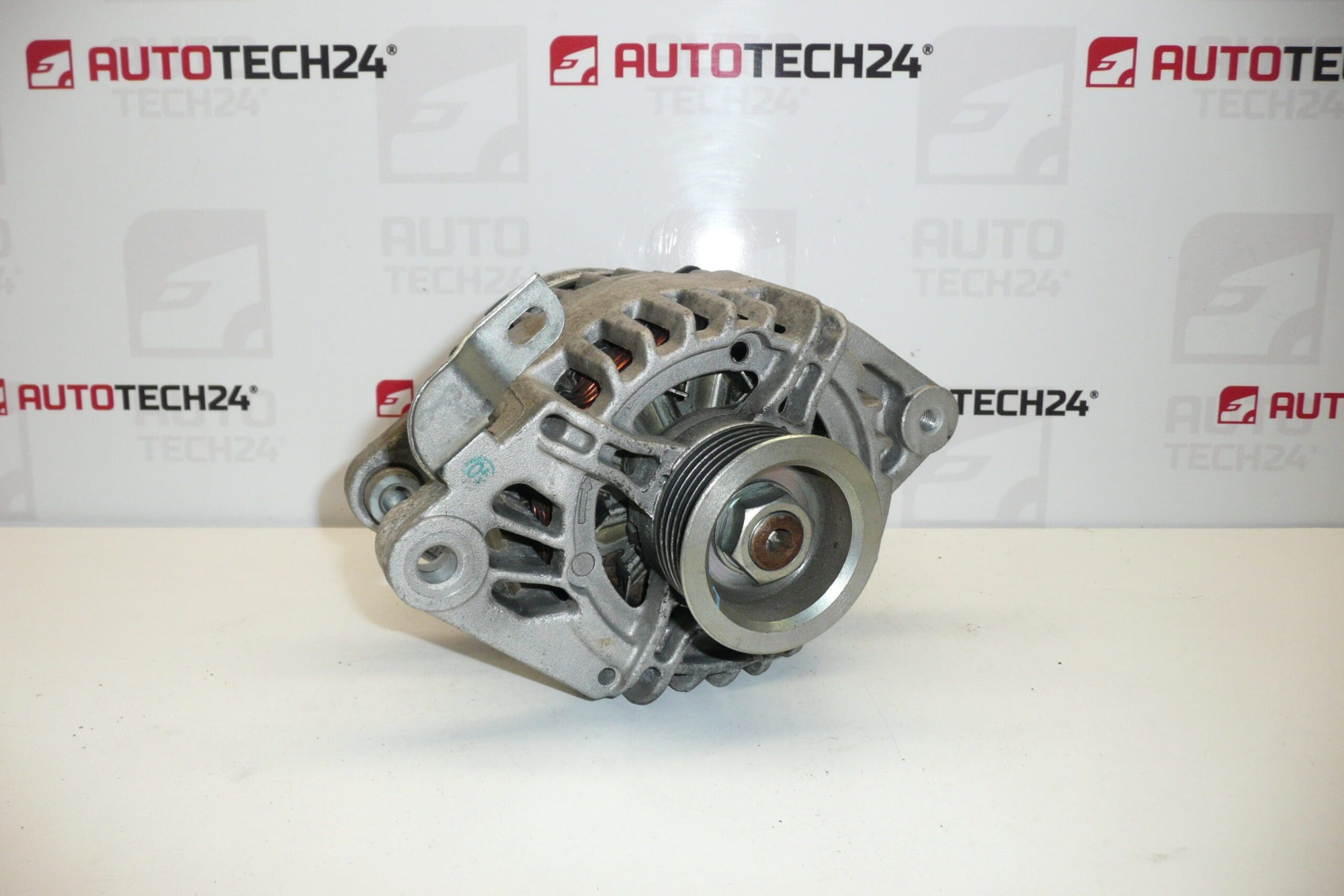
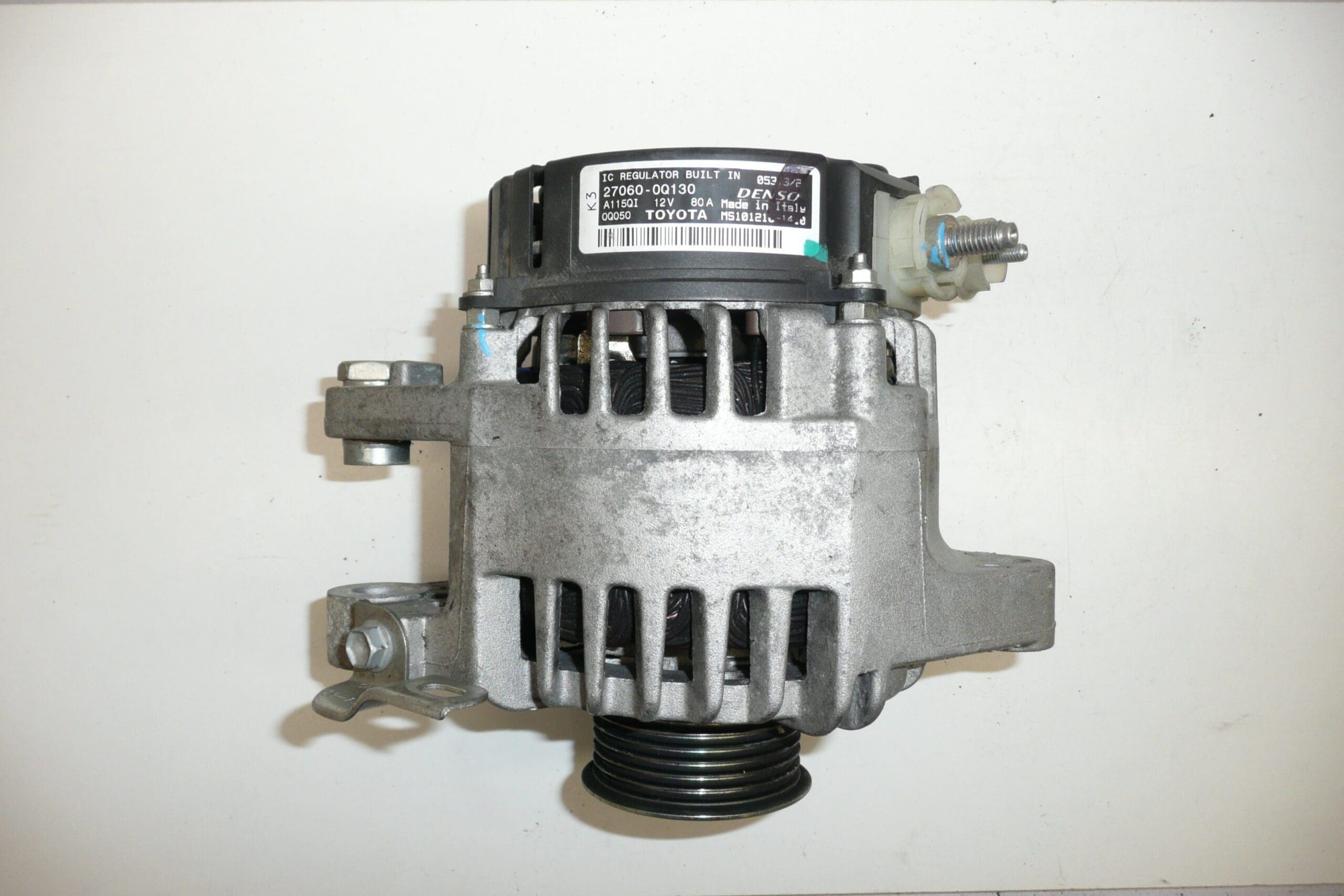
Description
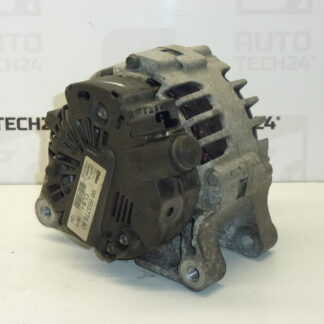
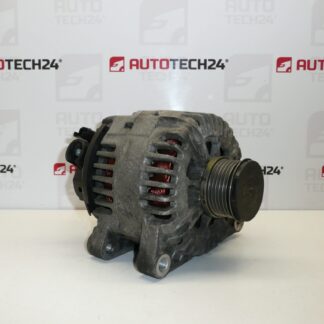
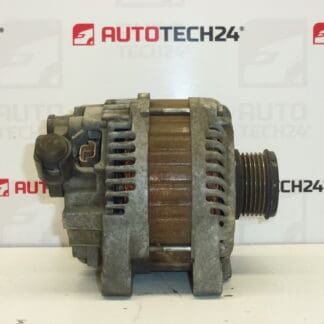
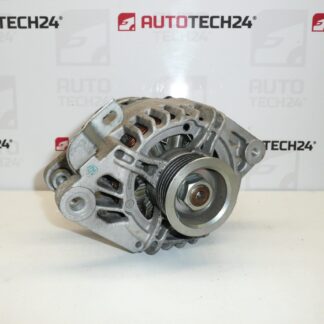
DENSO Alternator With Code 27060-0Q130 Is Compatible With Citroën C1, Peugeot 107 And Toyota Aygo. This Is A Used Part.
Product Overview
High-quality DENSO alternator 27060-0Q130 designed for first-generation city cars Citroën C1, Peugeot 107 and Toyota Aygo. The unit supplies electrical power to vehicle systems and charges the battery while the engine runs. Ideal for professional workshops and experienced DIY mechanics looking for a direct-fit replacement part identified commonly by its product code.
Key Benefits
- Direct Replacement For OE-Fit Applications — easy identification by part number 27060-0Q130.
- Reliable Charging Performance — restores proper charging and stabilizes vehicle electrical system.
- Cost-Effective Option For Repair — suitable when original-type alternator is required and replacement by part code is preferred.
Technical Information
- Manufacturer: DENSO
- Model: Citroën C1 / Peugeot 107 / Toyota Aygo
- Product Codes: 27060-0Q130
- Other Numbers: 5702J2, 5702L1, 5705KJ, 5705NP
Compatible Models (Typical Fitment)
Citroën C1 (First Generation), Peugeot 107 (First Generation), Toyota Aygo (First Generation). These models are commonly associated with the above part number—verify year and engine variant against your vehicle documentation when possible.
Signs Of A Failing Alternator
- Battery Warning Light Or Charging Light On Dashboard
- Dim Or Flickering Headlights And Interior Lights
- Electrical Accessories Running Poorly Or Intermittently
- Battery Frequently Discharged Or Vehicles Stalling At Idle
- Unusual Noises From The Alternator Area (Grinding/Whining)
Common Causes Of Failure
Alternators typically fail due to wear of internal components (brushes and slip rings), bearing failure, diode rectifier or voltage regulator faults, overheating from poor ventilation, contamination by oil or coolant, and prolonged belt slippage. Electrical overloads and corroded terminals can also reduce performance.
Expected Lifespan
Typical service life for alternators in city cars depends on driving conditions and maintenance. Expect service intervals in the order of 100,000–150,000 km under normal conditions; heavy stop/start use, short trips, or contaminated environments may shorten life.
Installation Recommendations
Before Starting Work, Disconnect The Battery To Avoid Short Circuits. Basic Replacement Steps:
- Disconnect Negative Battery Terminal.
- Release Serpentine Or Drive Belt Tensioner And Remove Drive Belt From Alternator Pulley.
- Disconnect Electrical Connectors And Remove Mounting Bolts.
- Remove Old Alternator And Install Replacement. Refit Mounting Bolts And Connectors Securely.
- Refit Drive Belt And Adjust Tension According To Manufacturer Specification.
- Reconnect Battery And Verify Charging System Operation.
Use Proper Tools And Observe Torque And Safety Specifications From The Vehicle Manufacturer. Check Belt Condition, Tensioner And Battery Health When Replacing The Alternator.
Why This Part Fails Most Often
Most failures are caused by internal wear (brushes and bearings), regulator or diode faults, or external factors such as oil/coolant contamination and belt slip. Neglected belts and poor battery condition can accelerate alternator wear. Regular inspection of belt drive components and electrical connections reduces the risk of premature failure.
Notes For Mechanics And DIYers
Customers Frequently Search By Part Number — Including 27060-0Q130 — So Make Sure The Code Matches Your Replacement Requirement. When Installing A Used Alternator, Inspect The Unit For Visible Damage, Smooth Bearing Operation, And Clean Electrical Contacts. After Installation, Verify System Voltage At Idle And Under Load To Confirm Proper Charging.