Description
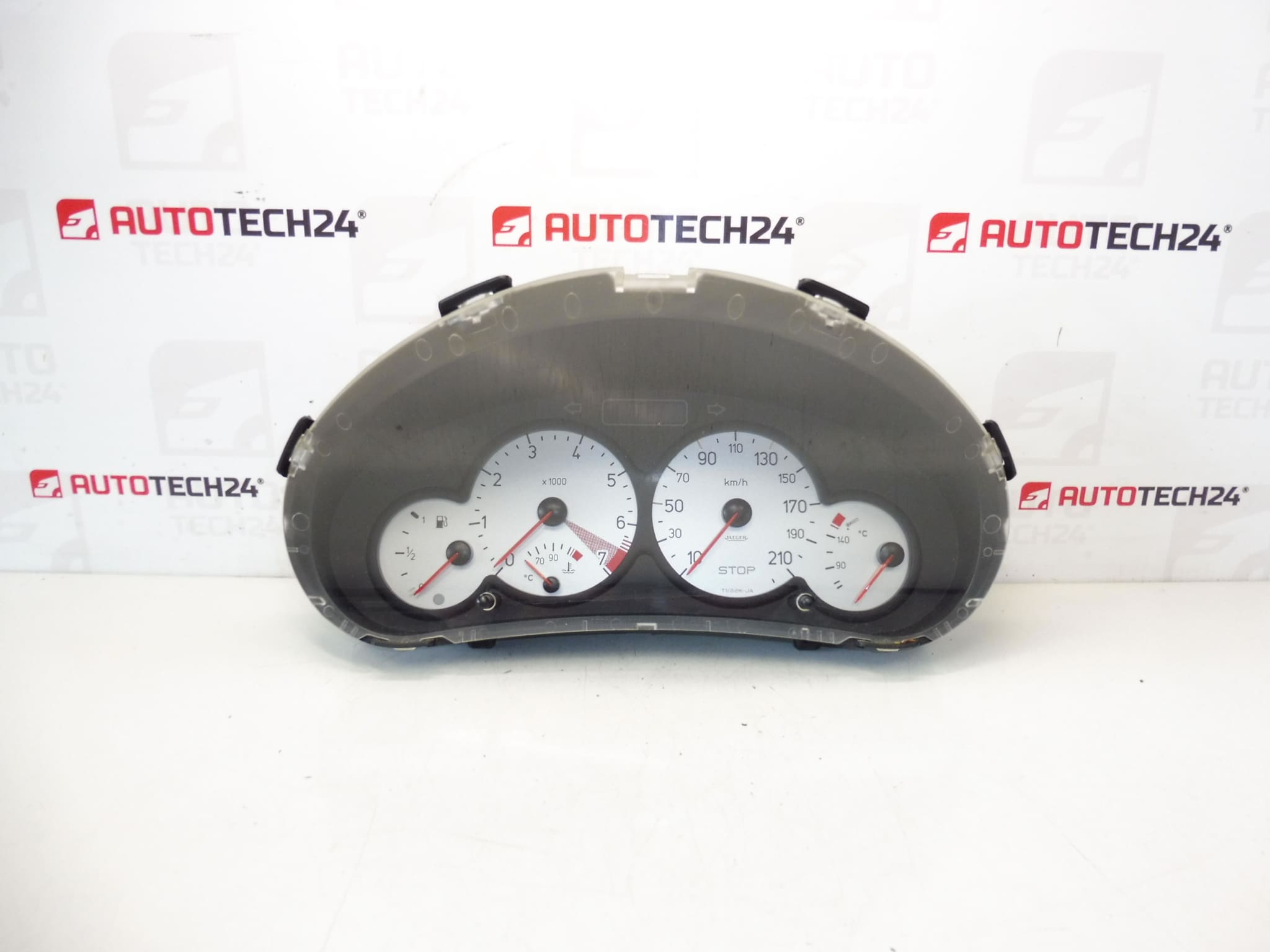
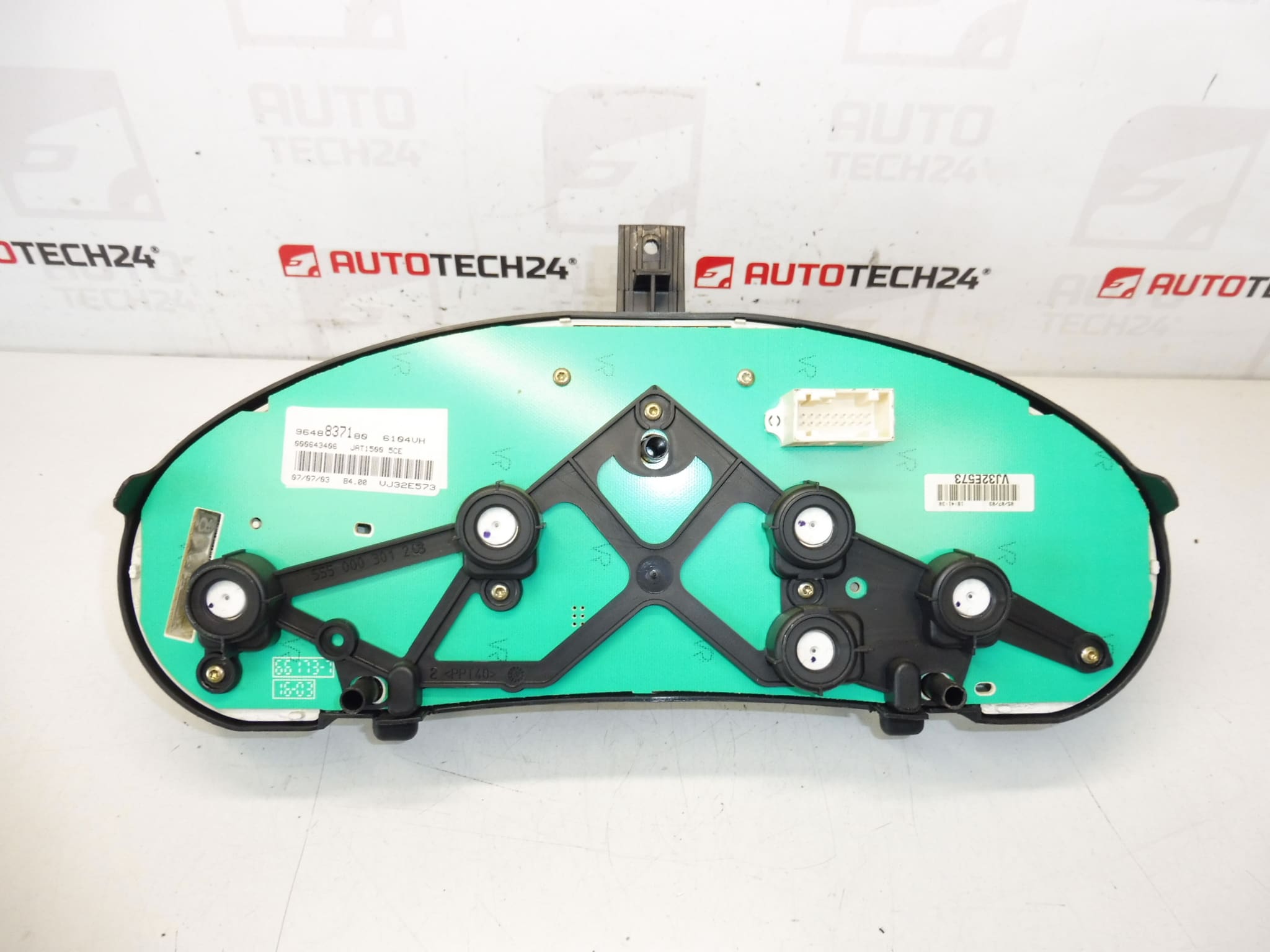
Speedometer instrument cluster from PEUGEOT 206 1.6 16V 2003
High-quality instrument cluster suitable for mechanics and experienced DIY enthusiasts servicing Peugeot 206 vehicles. This unit is commonly searched by part numbers and fits the instrumentation role for displaying vehicle speed, engine rpm, fuel level, odometer and warning indicators. Ideal replacement when the original cluster shows faulty gauges, blank display, or intermittent warning lamps. Part numbers listed below help quick identification during purchase or in-service replacement.
Technical Information
- Manufacturer: Stellantis (Citroën/Peugeot)
- Model: Peugeot 206 1.6 16V 2003
- Product Codes: 9648837180
- Additional Numbers: 6106FP, 6106FQ, NFP
Features And Function
- Displays Vehicle Speed, Tachometer (RPM), Fuel Level and Coolant Temperature
- Includes Odometer/Trip Counter and Standard Warning Lights (engine, ABS, airbag, etc.)
- Electro-mechanical needles combined with an electronic display section for mileage and icons
- Direct OE-fit for dash mounting and original connector interfaces (refer to part codes)
Installation Recommendations
Always follow safe working procedures. Before starting, disconnect the negative battery terminal to avoid electrical damage and airbag/ECU interference. Typical replacement steps:
- Remove trim panels around the steering column and dashboard to access the cluster
- Unscrew the retaining fasteners and carefully pull the cluster forward
- Disconnect the multi-pin electrical connectors and remove the unit
- Install the replacement cluster by reconnecting the plugs, refitting screws and trim, then reconnect the battery
After installation inspect all functions. In many cases the cluster is plug-and-play, but if warning lights, immobiliser or mileage display behave irregularly, diagnostic equipment may be required.
Why This Part Commonly Fails
- Age-Related Wear: Stepper motors that drive the needles can wear and lose accuracy over time
- LCD Or Pixel Failure: Electronic display segments and backlighting can fade or fail, especially after prolonged exposure to heat
- Cold Solder Joints And Cracked Traces: Thermal cycling may cause solder cracks on the circuit board, producing intermittent faults
- Moisture Ingress And Corrosion: Water or condensation can corrode contacts and components, causing display or gauge failure
Notes For Mechanics And DIYers
This instrument cluster is often identified and ordered by its part numbers (9648837180, 6106FP, 6106FQ). When replacing an instrument cluster, document mileage and instrument condition for records. Use appropriate trim tools to avoid damaging dash plastics and ensure connectors are fully seated. If uncertain about diagnostics or coding, perform electrical checks before fitting to rule out wiring or sensor faults that mimic cluster failure.
Order now to restore clear, reliable instrumentation to your Peugeot 206 and reduce diagnostic time in the workshop.