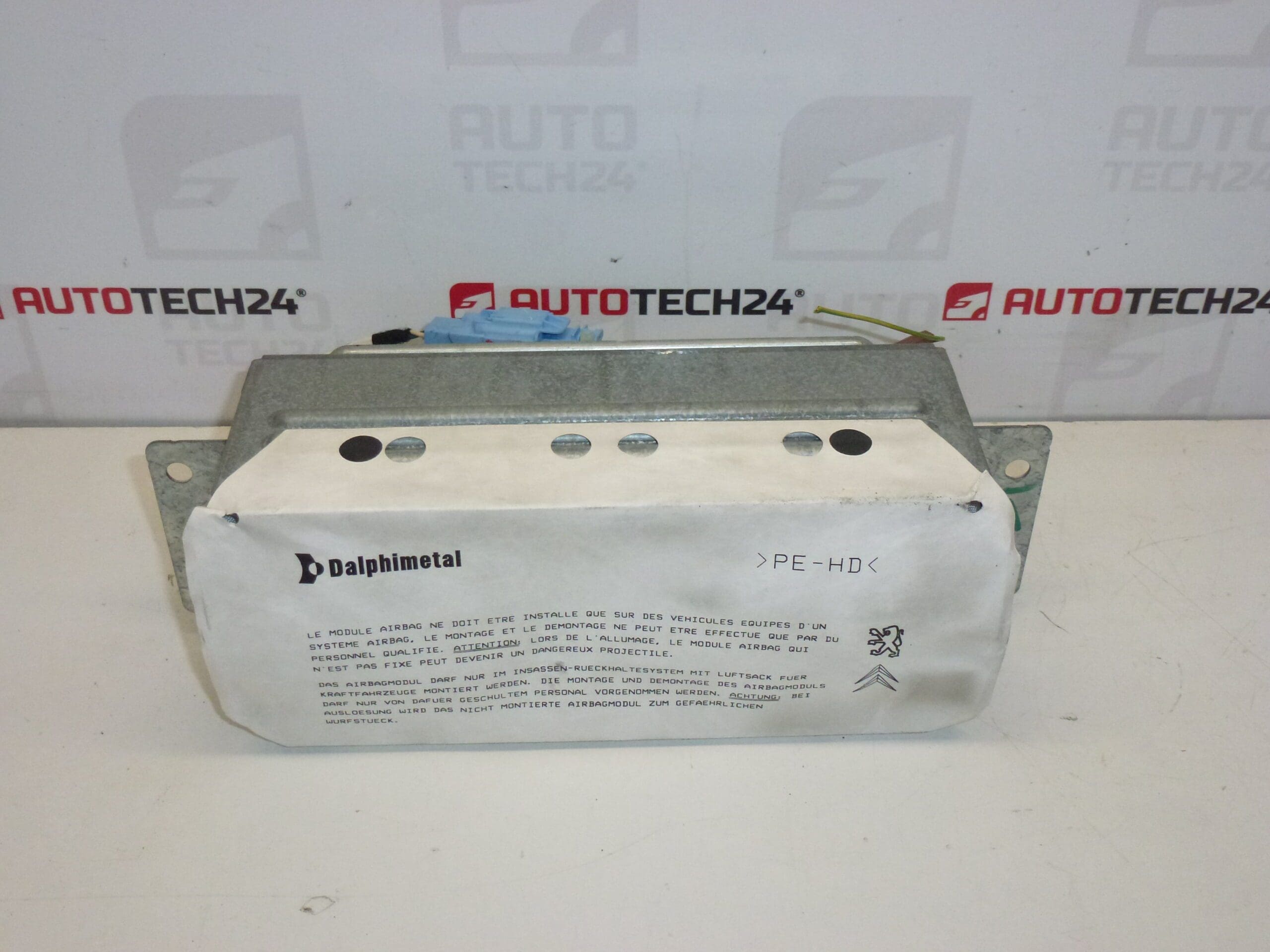
Description
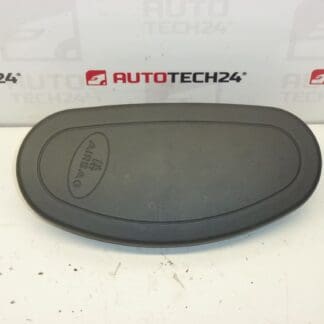
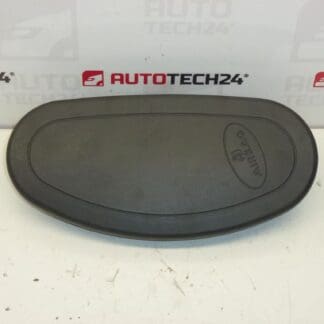
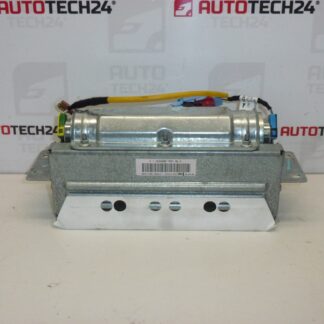
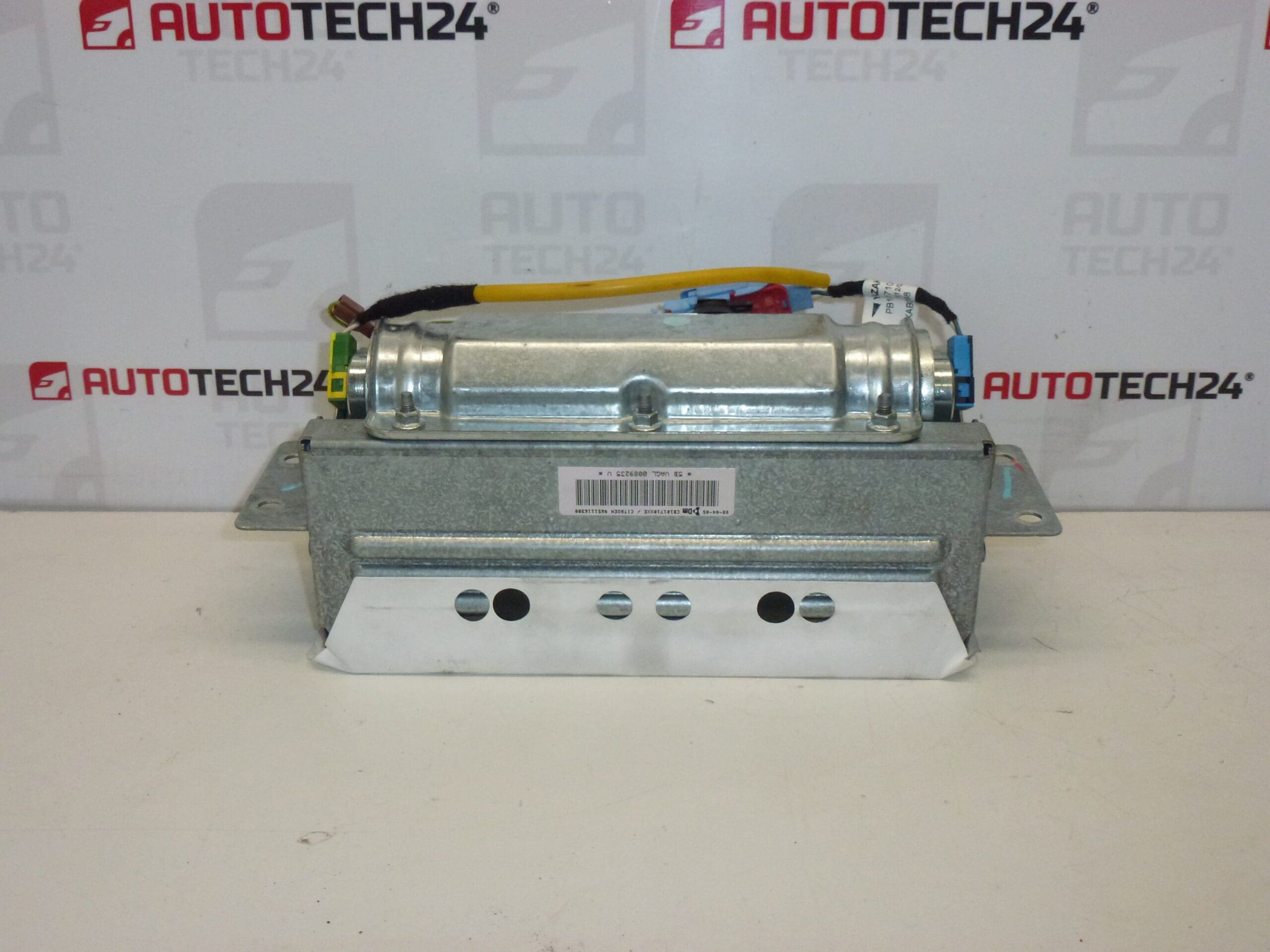
Passenger Airbag for Citroën C5 II
From 2005 to 2007
High-quality replacement passenger airbag designed for Citroën C5 II models produced between 2005 and 2007. This unit restores occupant protection in the front passenger position after deployment or damage and is suitable for professional workshops and experienced DIY mechanics. Common search terms include Passenger Airbag Citroën C5 II, Citroen C5 airbag 9651116380, and 8216ER airbag module — useful when locating parts by reference number.
Technical Information
- Manufacturer: Stellantis (Citroën)
- Model: Citroën C5 II (X7), Years 2005–2007
- Product Codes: 9651116380, 8216ER
- Other Numbers: NFP
Function and Application
The Passenger Airbag cushions and reduces impact forces for the front-seat passenger in the event of a collision. It is mounted in the dashboard on the passenger side (above the glovebox) and connects to the vehicle’s supplemental restraint system (SRS) wiring harness and airbag control module. Proper operation depends on intact wiring, seat occupancy sensors (if equipped), and a functional airbag control unit.
How Replacement Is Performed
Recommended Procedure (for qualified technicians and competent DIYers familiar with SRS systems):
- Disconnect the negative battery terminal and wait at least 10 minutes to allow the SRS capacitors to discharge.
- Remove the glovebox and surrounding trim panels to access the passenger airbag module.
- Carefully disconnect the airbag connector(s) using appropriate SRS-safe tools and methods; avoid pulling on wires.
- Unbolt the airbag module from the dashboard and remove it.
- Install the new unit in reverse order: secure mounting bolts, reconnect connectors with correct orientation, re-fit trim and glovebox, then reconnect the battery.
- Clear SRS fault codes and verify system readiness with suitable diagnostic equipment.
Installation Recommendations
- Always Disconnect The Battery Before Work: Prior to removal, disconnect the negative battery terminal and observe a waiting period (recommended at least 10 minutes) to reduce risk of accidental deployment.
- Use Proper Diagnostic Tools: After installation, use a compatible diagnostic tool to clear SRS codes and confirm system status.
- Handle With Care: Do not drop, strike, or expose the airbag to heat or static. Store face away from you and other personnel to minimize risk in case of accidental deployment.
- Follow Manufacturer Procedures: Where available, follow Citroën service instructions for torque settings and removal/installation steps.
Why The Part Most Often Fails
Airbags rarely fail under normal conditions but can become non-functional for a few common reasons:
- Deployment In A Collision: Once deployed, the airbag must be replaced.
- Electrical Faults Or Connector Corrosion: Moisture ingress or damaged connectors can interrupt the circuit between the airbag and the SRS control unit.
- Water Damage: Interior flooding or leaks can damage the module or connectors and trigger permanent faults.
- Previous Improper Repairs Or Tampering: Incorrect handling during prior repairs can damage wiring or the inflator.
Notes For Mechanics And DIYers
This part is aimed at professional technicians and experienced home mechanics. When replacing SRS components, prioritize safety and use the correct diagnostic equipment to confirm that the airbag system is fully operational after installation.