Description
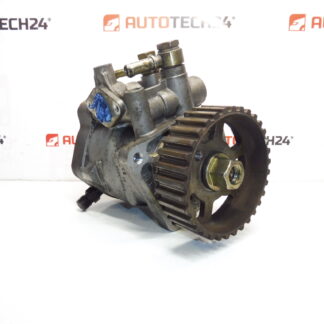
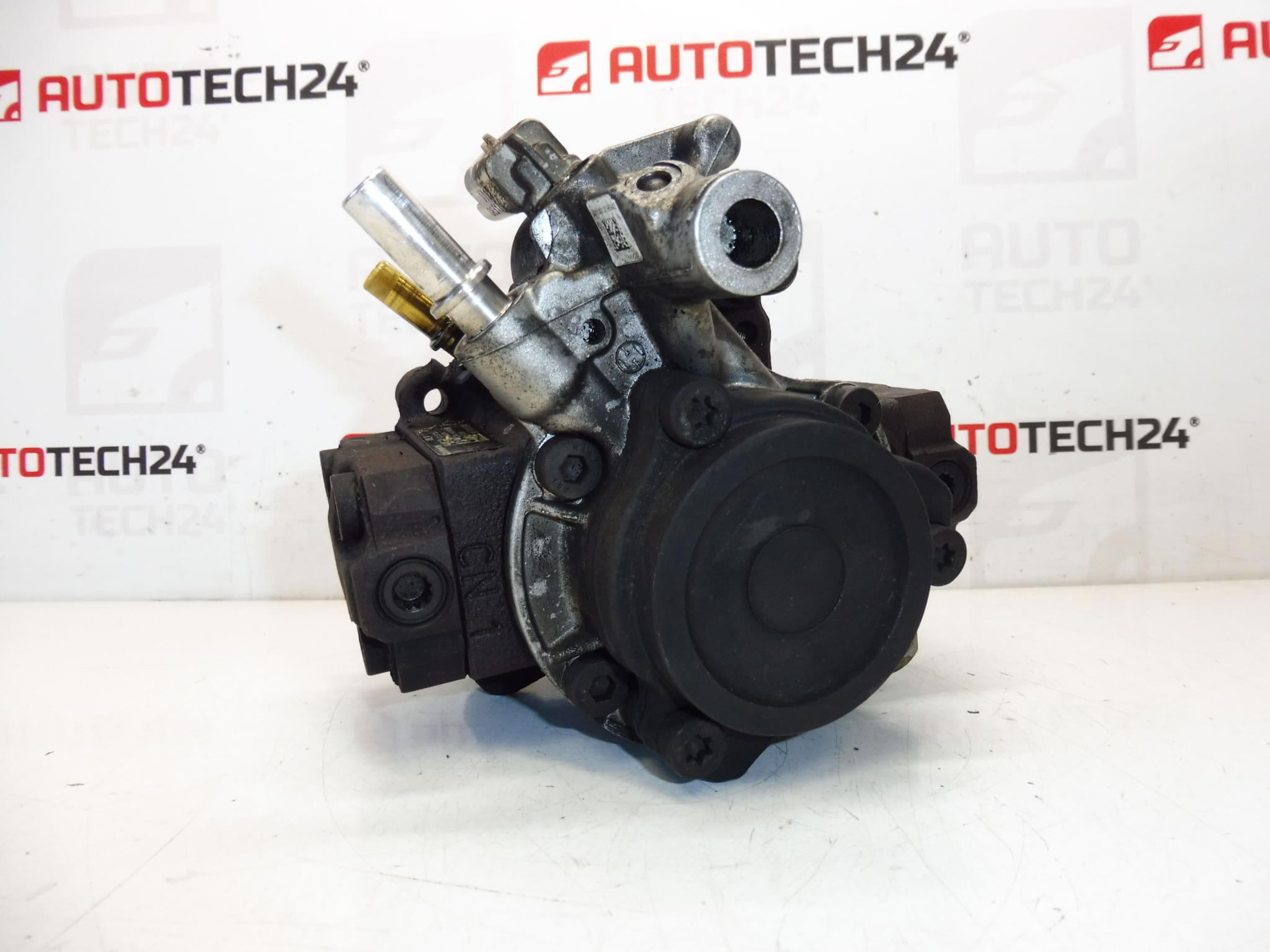
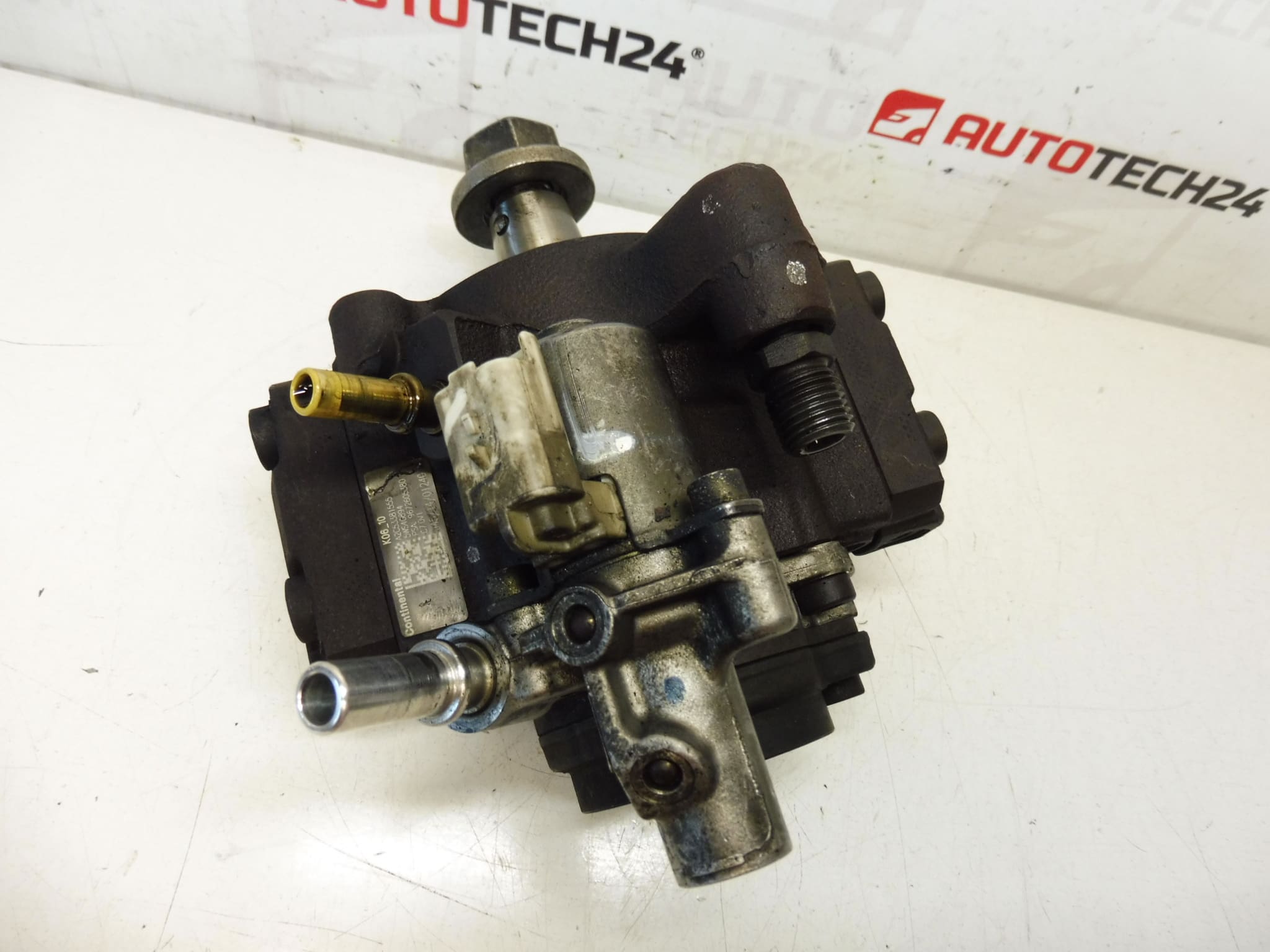
Injection Pump 1.6 eHDI Continental for Citroën, Peugeot, DS vehicles with 1.6 eHDI engines.
This high-pressure injection pump is a direct replacement for 1.6 e-HDi diesel engines used across many Stellantis models. Supplied with original reference numbers from Continental and Stellantis cross-references, it is intended for professional mechanics and experienced DIYers who need a reliable fuel-pressure source for the common-rail system. Ideal when repairing loss-of-power, hard-starting engines, or visible fuel leaks, this pump restores correct injection pressure and timing for smoother running and improved drivability.
Technical Information
- Manufacturer: Continental
- Model: 1.6 eHDI Injection Pump (Stellantis applications)
- Product Codes: A2C53381555, 5WS40894, 9672605380
- Additional Numbers: 1920RY, 1921Q7
- Compatible Vehicles: Citroën Berlingo B9; Citroën C3 II; Citroën C3 Picasso; Citroën C4 II; Citroën C4 Picasso; Citroën C5 X7; Peugeot 308; Peugeot Partner Tepee; Peugeot 508
Function
The pump pressurizes diesel fuel for the common-rail injection system, supplying the required high pressure to the injectors and enabling precise metering and timing of fuel delivery. Proper pump operation is critical for combustion efficiency, fuel economy and reduced emissions.
Symptoms Of A Failing Pump
- Hard or slow engine start
- Loss of power, hesitation under load or irregular idling
- Increased fuel consumption or black smoke
- Fuel smell or visible leaks around the pump/high-pressure lines
- Illuminated engine management light or fault codes related to fuel pressure
Replacement Overview
- Relieve fuel system pressure and disable ignition according to manufacturer procedure.
- Disconnect the battery before starting work to avoid electrical faults and accidental cranking.
- Remove engine covers and components blocking access to the pump; label and carefully remove high-pressure and return fuel lines.
- Unbolt the old pump, note mounting orientation, and replace any sealing rings or gaskets with new parts.
- Fit the new pump, torque fasteners to manufacturer specifications, reconnect all lines and fuel return, and prime the system to remove air.
- Perform initial start-up checks: inspect for leaks, verify fuel pressure, and clear any stored fault codes if present.
Installation Recommendations
- Always replace sealing washers and O-rings with new ones. Use specified torque values for high-pressure fittings.
- Prime and bleed the fuel system properly to avoid air pockets; follow the vehicle manufacturer’s bleeding sequence.
- Use clean, high-quality diesel fuel and replace the fuel filter when replacing the pump to prevent recontamination.
- Inspect high-pressure lines and banjo fittings for damage or corrosion; replace if necessary.
- If fault codes remain after installation, use a diagnostic tool to check system pressure and injection timing. For complex calibrations, consult a professional with appropriate diagnostic equipment.
Reason For Most Common Failures
Failures most commonly result from contaminated fuel (particles, water or degraded fuel), clogged or overdue fuel filters, and prolonged operation at high mileage. Corrosion, wear of internal components and damage to pressure control valves or seals can also reduce pump performance. Fuel-related contamination is the leading cause of premature wear and seizure.
Additional Notes
Use the listed product codes when searching for this pump replacement to ensure correct fitment. Always follow Stellantis service instructions for removal, installation and commissioning to guarantee safe and reliable operation.