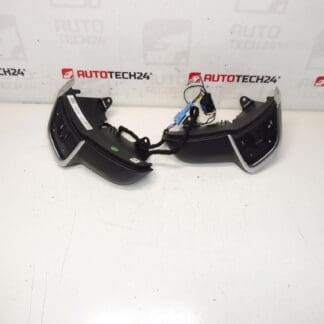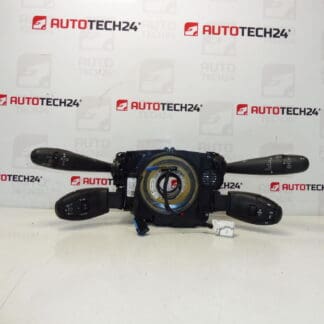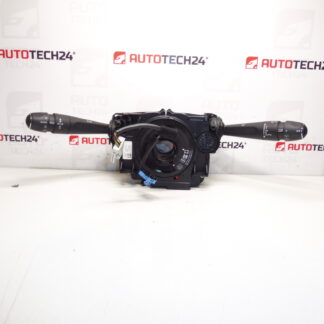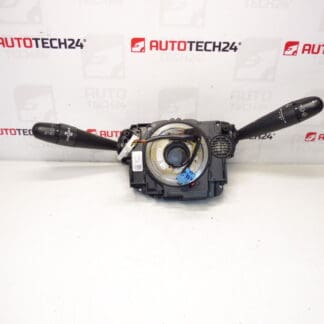
Description
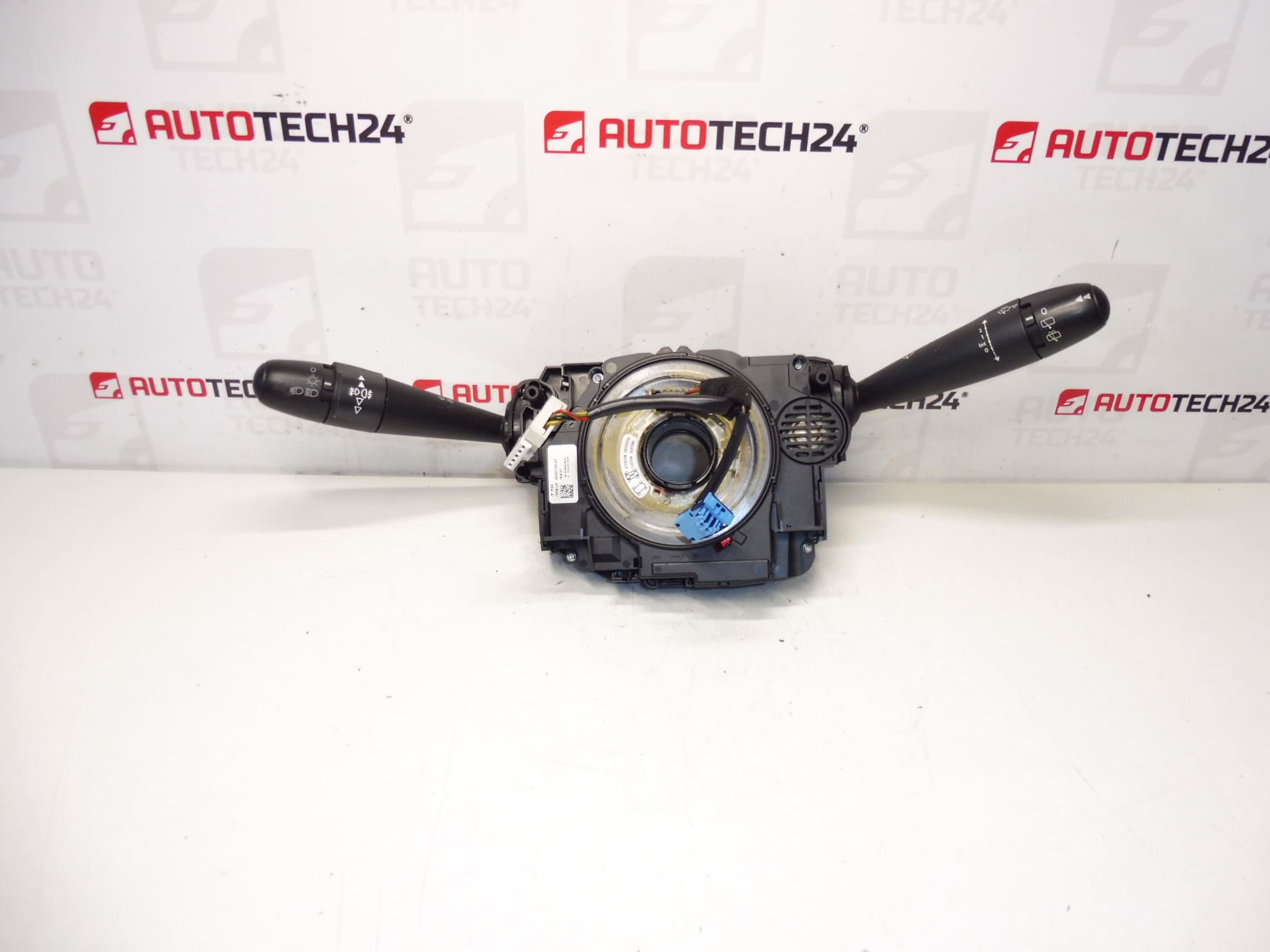
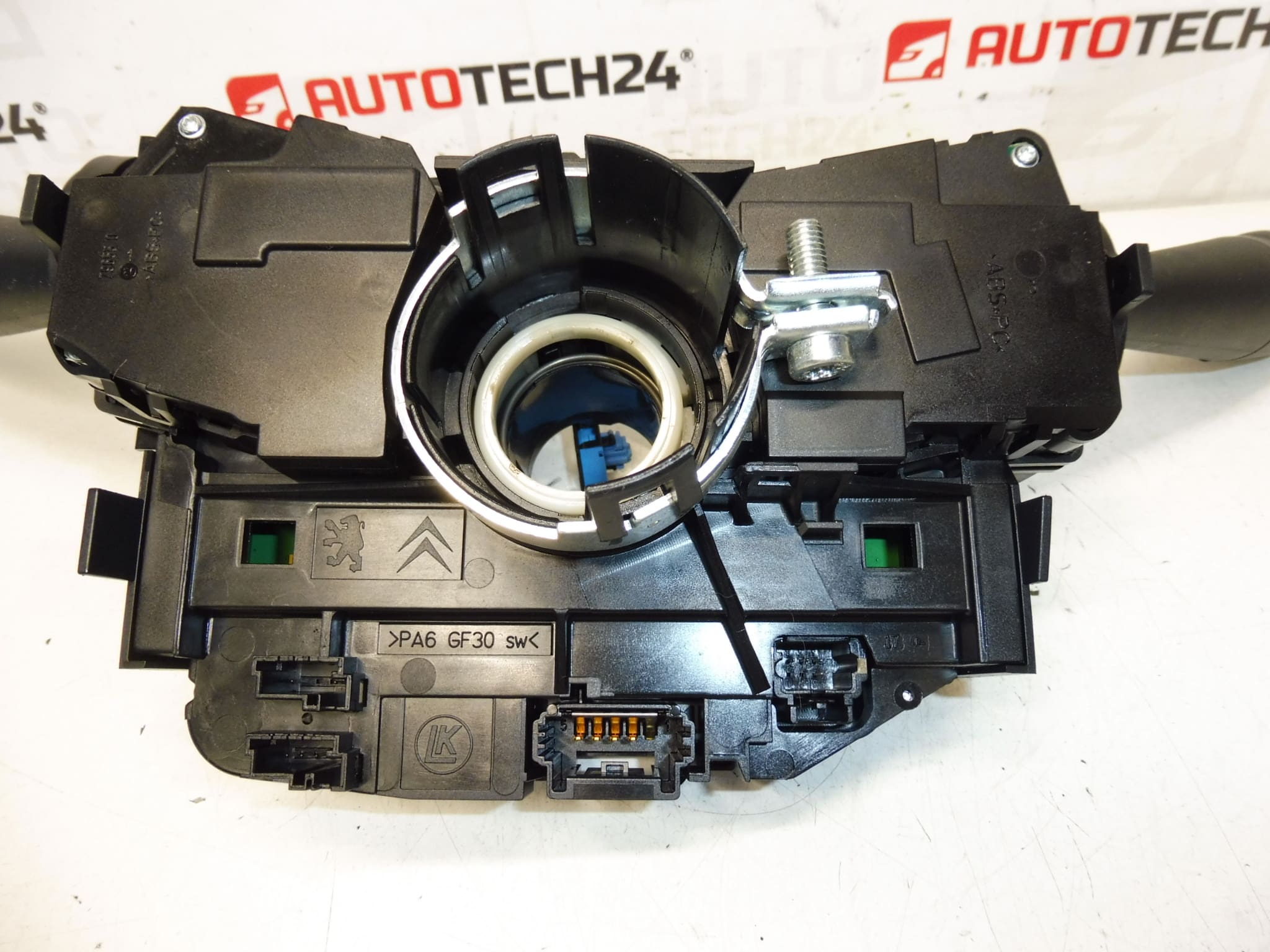
Steering column stalks, COM2008 switches for Citroën C4 II, Peugeot 508, DS4 and DS5. They control lights, fog lights, front and rear wipers, indicators, horn, and the onboard computer.
High-quality replacement steering column stalks COM2008 designed for Stellantis vehicles. These multifunction stalks combine several driver controls into a compact module mounted on the steering column, delivering reliable operation of lighting circuits, wipers, turn signals and horn. Ideal for professional workshops and skilled DIY mechanics who need a direct-fit part to restore full functionality after stalk failure. Common search terms include COM2008 switch, Citroën stalk, Peugeot stalk, and part numbers 96759249XT, 98000200ZD.
Benefits: Restores original control ergonomics and safety features, eliminates intermittent electrical faults from worn contacts, and returns full control of lighting and wiper systems. The design supports standard plug-in harnesses used on compatible Citroën, Peugeot and DS models for straightforward installation.
Compatibility
Intended For Models: Citroën C4 II, Peugeot 508, DS4, DS5. Also referenced in parts listings for certain Stellantis platforms.
How To Replace
- Safety First: Disconnect the vehicle battery before starting work to avoid accidental airbag deployment and electrical shorts.
- Access: Remove the upper and lower steering column covers to expose the stalk assembly. In some vehicles partial removal of the steering wheel or airbag module may be required—follow the vehicle manufacturer repair manual.
- Disconnect: Unplug the electrical connectors from the stalk unit. Note connector orientation and locking tabs.
- Remove and Fit: Unscrew the retaining screws or release clips, withdraw the faulty stalk, and fit the replacement. Secure fasteners to the specified torque and reconnect harnesses.
- Test: Reconnect the battery and verify all functions—indicators, headlamps, fog lamps, front and rear wipers, horn and onboard computer controls—work correctly before road use.
Installation Recommendations
- Always follow the vehicle manufacturer repair procedures and safety precautions.
- Use correct tools to avoid damaging plastic shrouds and connector clips.
- Inspect wiring and connector pins for corrosion or damage when replacing the stalk; repair any compromised wiring to prevent recurring faults.
- After installation, perform a full function check. If functions remain inoperative, check fuses, relays and body control module inputs before replacing other components.
Why The Part Most Commonly Fails
Steering column stalks typically fail due to mechanical wear of internal contacts and switches after years of use, ingress of moisture or contamination that causes corrosion, plastic fatigue or broken mounting clips from repeated operation or impact, and electrical faults from short circuits or damaged wiring. Symptoms include intermittent or non-functioning indicators, wipers that operate erratically, lights or horn that do not respond, or malfunctioning menu controls on the onboard computer.
Technical Information
- Manufacturer: Stellantis (Citroën / Peugeot / DS)
- Model: COM2008 Steering Column Stalks
- Product Codes: 96759249XT, 98000200ZD, 6243C4
- Additional Numbers: COM2008
Note for Professionals: Verify connector compatibility and wiring pinout on the specific vehicle variant before installation to ensure a trouble-free replacement.