Description
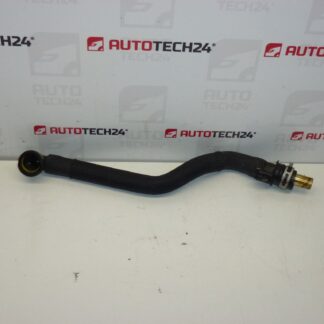
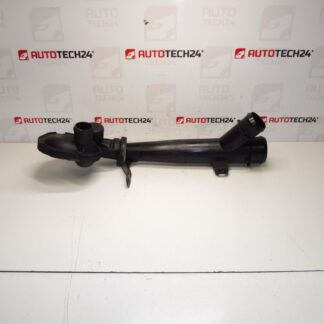
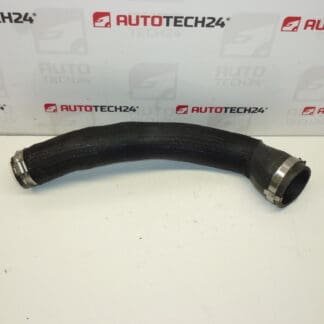
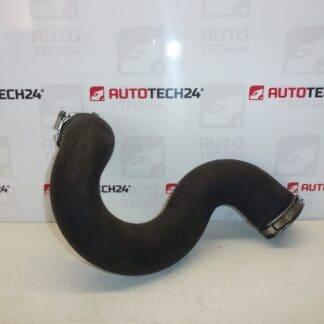
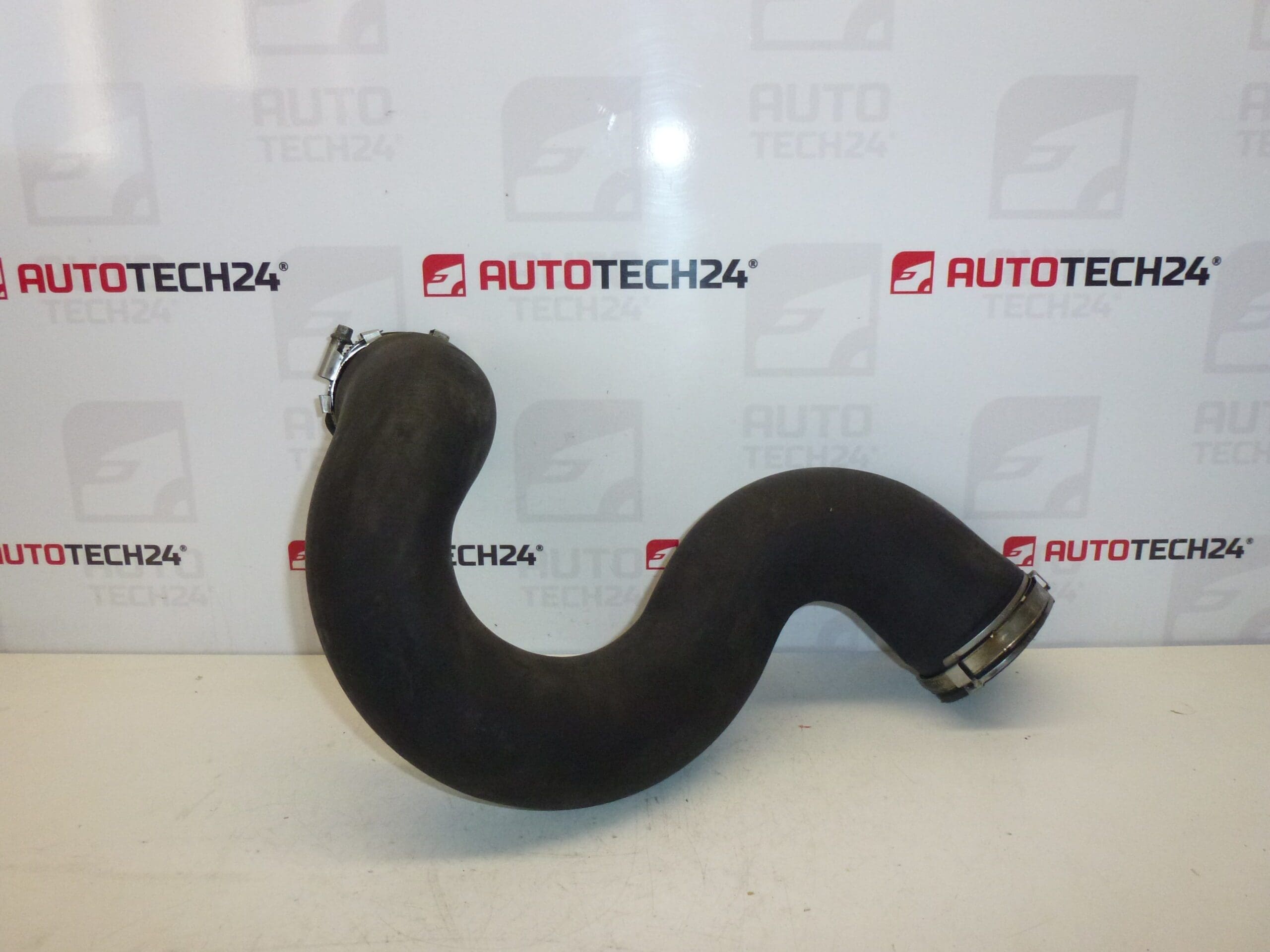
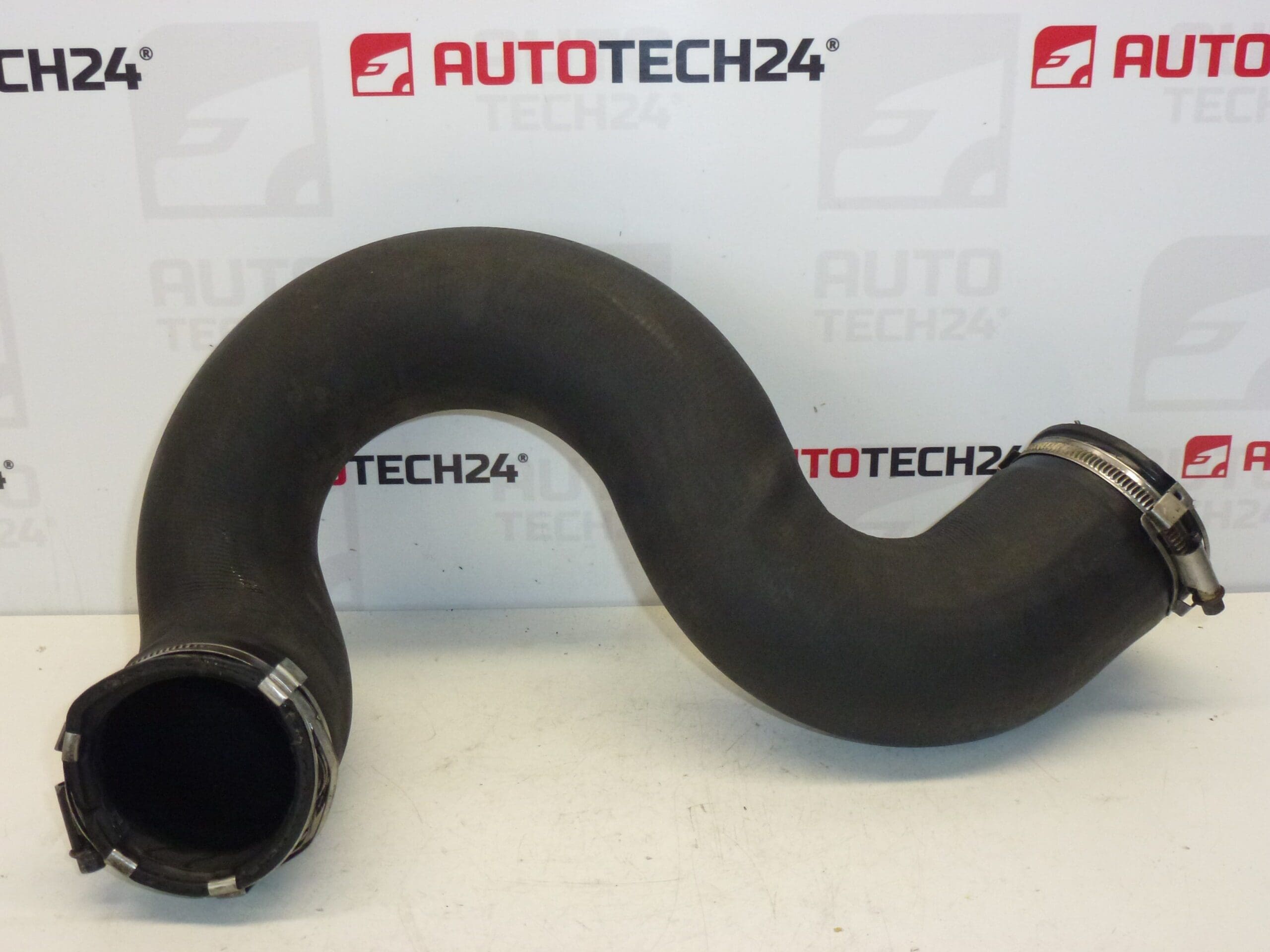
Air connection to the intercooler for Citroën and Peugeot vehicles with the 2.0 HDi engine.
This used turbo/intercooler hose is a direct-fit connection for 2.0 HDi turbocharged engines in Citroën and Peugeot models. It routes pressurised intake air between the turbocharger, intercooler and intake tract. A damaged or leaking hose leads to loss of boost, reduced engine performance and poor fuel economy — replacing the hose restores correct boost delivery and drivability. Reference code: 0382AV.
Function and Common Symptoms
The hose connects the turbo/intercooler circuit and must withstand pressure, heat and occasional oil contamination. When the hose fails, typical symptoms include audible hissing or whistling under boost, delayed turbo spool (turbo lag), intermittent loss of power under acceleration, higher-than-normal turbo speeds and possible engine fault codes related to boost pressure. Visual signs are cracks, splits, soft or oily areas and loose or corroded clamps.
Most Common Failure Causes
Failures usually result from age, constant heat cycles, oil contamination from turbo seals or crankcase ventilation, mechanical chafing against nearby components and degraded or improperly seated clamps. Repeated exposure to engine bay heat combined with oil saturation softens the rubber or silicone, accelerating cracking and splits.
Installation Recommendations
Replace the hose with the engine cold. Steps for a safe installation: relieve intake pressure by allowing the engine to cool, loosen and remove clamps securing the old hose, inspect the turbo outlet and intercooler connection for oil residue or damage, clean mating surfaces, fit the replacement hose without twisting, and secure with quality clamps tightened evenly (do not overtighten to avoid crushing the hose). After installation, start the engine and perform a boost/pressure check under load if possible, and visually inspect for leaks. Replace any worn clamps or seals found during the job. Use appropriate personal protective equipment and work in a well-ventilated area.
Technical Information
- Manufacturer: Stellantis (Citroën / Peugeot)
- Model: Citroën C4; Citroën C4 Picasso; Peugeot 307 (2.0 HDi applications)
- Product Codes: 0382AV
- Other Numbers: NFP
- Condition: Used
- Location: Intake system — Intercooler/Turbo Connection
Notes for Mechanics and DIYers
This part is suitable for professional workshops and experienced DIY enthusiasts. When fitting, inspect the surrounding intake plumbing and turbo oil seals — a leaking turbo can quickly compromise a new hose. If boost-related fault codes persist after replacement, check boost control components (wastegate, actuator, hoses to the actuator) and perform a pressure test of the intake circuit.
Replace worn or oil-soaked hoses promptly to avoid limp-home modes and potential damage to the turbocharger. Fast, correct replacement of a leaking intercooler hose typically returns engine response and fuel economy to expected levels.