Description
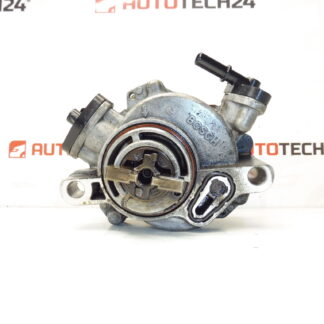
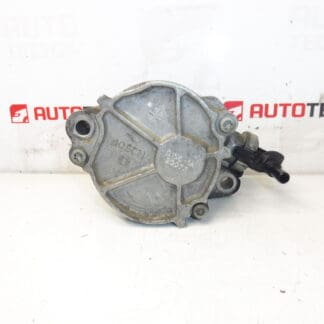
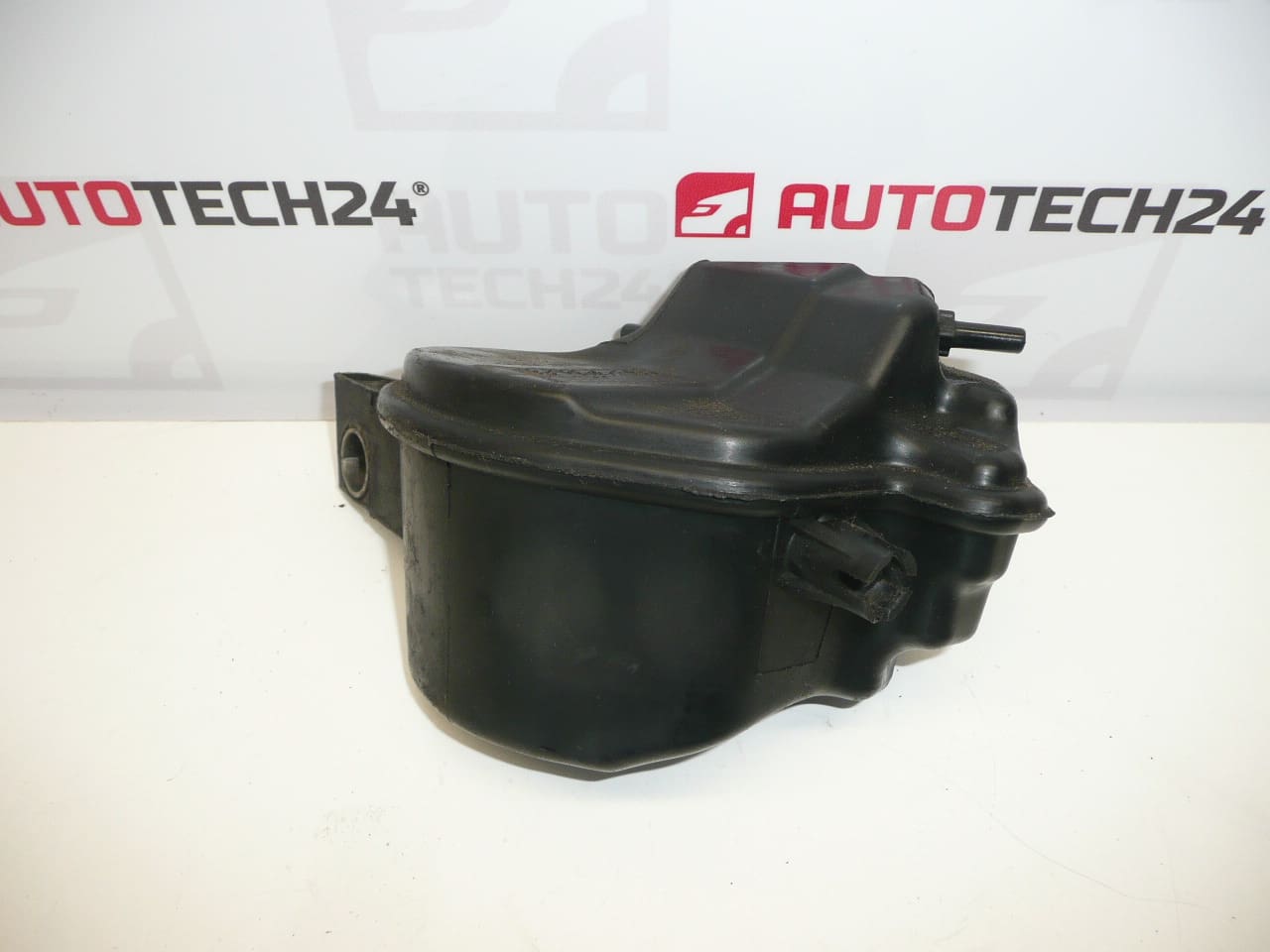
Vacuum Reservoir for Citroën, Peugeot, Ford and Volvo Vehicles with 1.6 HDi Engine
Product Overview
This vacuum reservoir (accumulator) is a direct-fit replacement for many vehicles equipped with the 1.6 HDi engine. It stores vacuum to ensure stable operation of the brake servo and other vacuum-operated systems, reducing pedal effort and improving safety under varying engine load. Suitable for professional workshops and DIY mechanics looking for a reliable OE‑style replacement. Searchable part numbers: 9649508680, 037007, Stellantis.
Compatibility And Typical Models
Fits Various Citroën And Peugeot Models Using The 1.6 HDi Engine. Also Found On Some Ford And Volvo Applications Sharing The Same Engine Family.
- Citroën Berlingo
- Citroën C3
- Citroën C3 Picasso
- Citroën C4
- Citroën C4 Picasso
- Citroën C5
- Citroën C5 X7
- Citroën Xsara Picasso
- Peugeot 206
- Peugeot 207
- Peugeot 307
- Peugeot 308
- Peugeot 407
- Peugeot Partner
How It Works
The reservoir accumulates vacuum created by the engine intake or a vacuum pump and supplies it to the brake booster and other vacuum consumers (e.g., vacuum actuators, EGR or turbo control mechanisms where applicable). By maintaining a reserve of vacuum, it prevents loss of brake assist during transient engine conditions or when the engine vacuum falls under load.
Most Common Cause Of Failure
- Ageing Or Cracking Of The Plastic Body Caused By Heat And Vibration.
- Leaking Or Brittle Vacuum Hoses And Seals Leading To Loss Of Vacuum.
- Failed Or Sticking Check Valve Causing Poor Vacuum Retention.
- Physical Damage From Road Debris Or Improper Previous Repair.
Replacement Procedure
- Park The Vehicle On A Level Surface And Allow The Engine To Cool.
- Locate The Vacuum Reservoir In The Engine Bay (Typically Near The Firewall Or Brake Booster).
- Note The Orientation And Routing Of Vacuum Hoses; Photograph If Needed For Reference.
- Remove Vacuum Hoses From The Reservoir, Inspect Hoses And Clamps, And Replace If Cracked Or Brittle.
- Unbolt The Reservoir From Its Mounting Points And Remove It From The Vehicle.
- Install The New Reservoir In The Correct Orientation, Refit Mounting Bolts And New Clamps Where Possible.
- Reconnect Hoses And Ensure All Connections Are Tight And Leak-Free.
- Start The Engine And Check For Vacuum Leaks; Confirm Proper Brake Booster Function And No Unusual Pedal Feel.
Installation Recommendations
- Always Inspect And Replace Any Associated Vacuum Hoses And Clamps When Replacing The Reservoir.
- Check The One-Way Check Valve Function; If Faulty, Replace To Ensure Vacuum Retention.
- Use Proper Mounting Hardware And Avoid Over-Tightening Plastic Fasteners.
- After Installation, Verify Brake Assist And Perform A Road Test Under Safe Conditions.
- When In Doubt, Refer To The Vehicle Service Manual For Exact Removal And Installation Procedures.
Technical Information
- Manufacturer: Stellantis
- Model: 1.6 HDi Applications (Citroën, Peugeot; Also Some Ford And Volvo Variants)
- Product Codes: 9649508680, 037007
- Additional Numbers: 037007 9649508680
Why Choose This Replacement
Replacing a worn or leaking vacuum reservoir restores proper brake assistance and the reliability of vacuum‑dependent systems. Installing a correctly sized OE‑style reservoir with the matching product codes (9649508680 / 037007) ensures correct fitment and long service life, helping to avoid intermittent braking issues and vacuum-related fault codes.