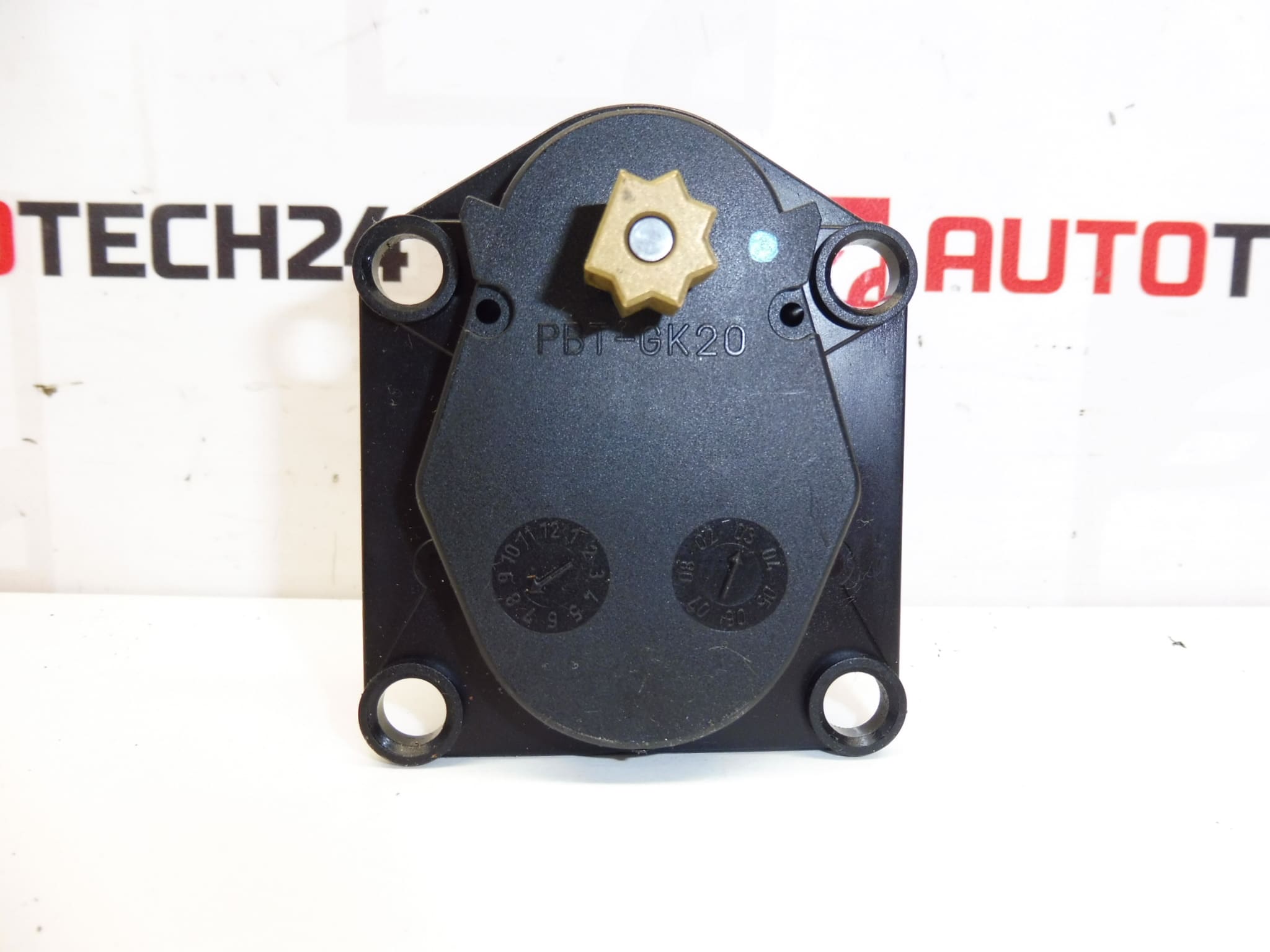
Description
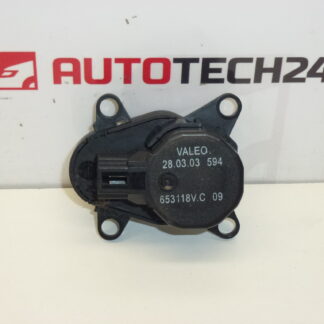
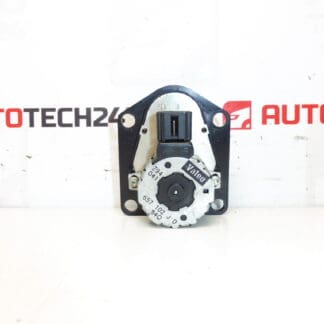
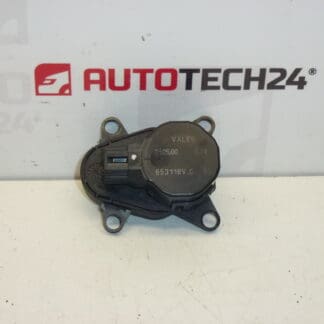
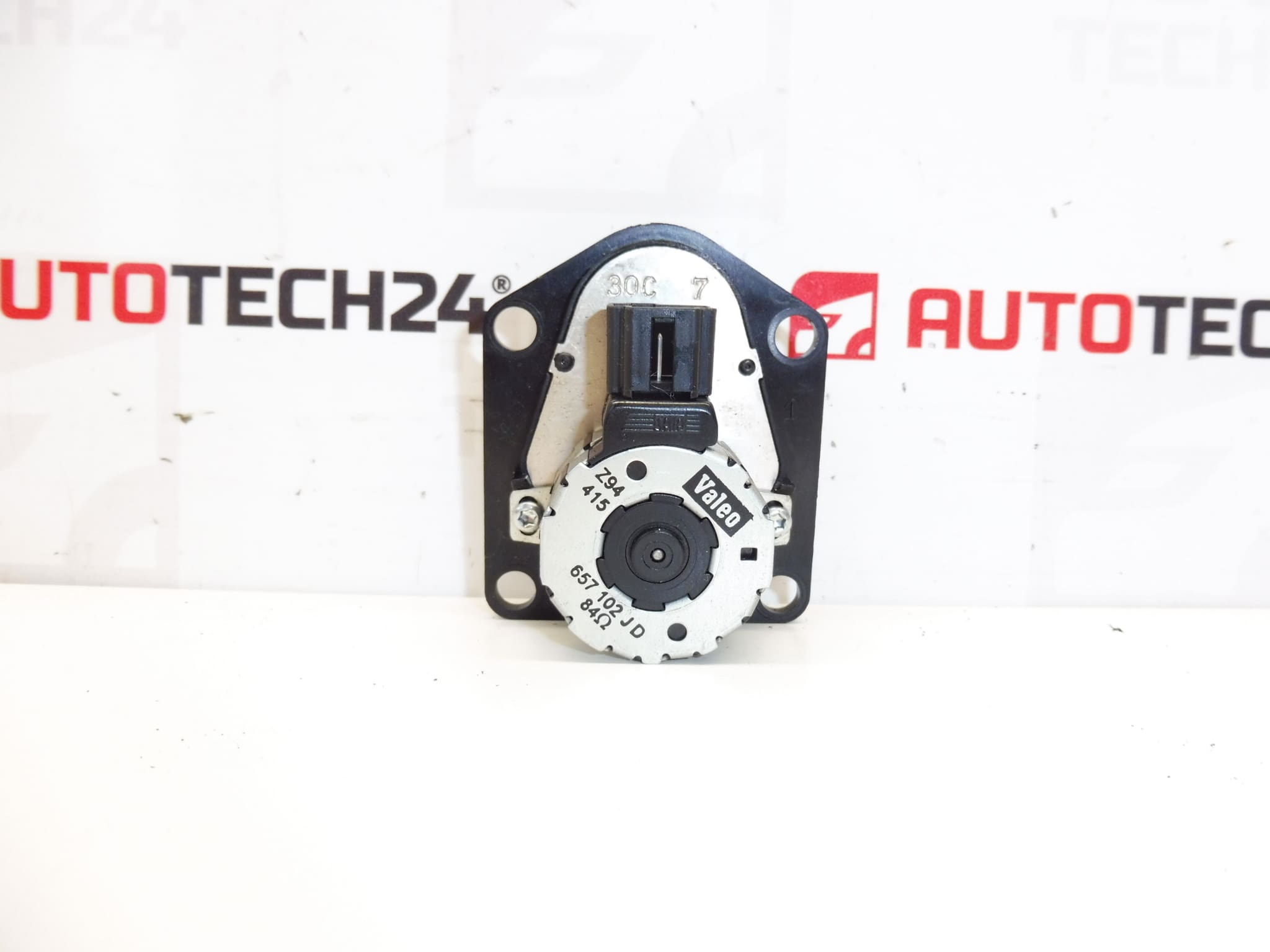
VALEO Heater Servo Motor For CITROËN And PEUGEOT Vehicles. We May Send A Fully Equivalent Genuine VALEO Replacement.
Product Overview
High-quality VALEO heater servo motor (heater blend door actuator) designed for climate control systems in selected Citroën and Peugeot models. This actuator controls the position of HVAC flaps to direct airflow and mix hot and cold air for temperature regulation. Common symptoms of a failing unit include loss of airflow direction control, inconsistent cabin temperature, audible clicking or grinding from the dash, and stuck flaps.
Compatibility And Application
Typical Fitment Includes: Citroën C5 I, Citroën Xsara and Peugeot 607 (see product codes below). Compatibility depends on the vehicle variant and factory HVAC configuration. The actuator is often searched by part numbers 657102JD and 6447HH — include these in searches to locate the correct replacement.
Technical Information
- Manufacturer: Valeo
- Model: Citroën C5 I; Xsara; Peugeot 607
- Product Codes: 657102JD
- Other Numbers: 6447HH
Function
The servo motor actuates the HVAC blend/direction flaps inside the heater box. By moving internal linkage and gears, it changes airflow distribution (windshield, face, feet) and, depending on system design, helps regulate temperature mixing. Proper operation is essential for passenger comfort and defogging performance.
Common Failure Modes
- Plastic Gear Wear Or Breakage: Internal plastic gears can wear or strip, causing loss of position control or grinding noises.
- Motor Burnout Or Electrical Faults: Motor windings or contacts may fail after long service or exposure to voltage spikes.
- Seized Mechanism Due To Contamination Or Corrosion: Debris, moisture, or long-term sludge can jam the flap linkage.
- Connector Or Wiring Issues: Corroded pins or broken wires can interrupt power/control signals to the actuator.
Replacement Interval And Diagnostics
There is no fixed lifetime; many units last well over 100,000 km, but failures are common on higher-mileage vehicles or after water ingress and long-term wear. Diagnose by listening for abnormal noises from the dash, checking HVAC mode changes, and verifying actuator movement when switching airflow modes. Compare movement and resistance to the healthy side where applicable.
Installation Recommendations
- Safety First: Disconnect the negative battery terminal before starting work to avoid short circuits and accidental airbag deployment.
- Access: Depending on model, removal may require lowering or removing the glovebox, center console trim, or portions of the lower dashboard to reach the heater box cover.
- Removal: Unplug electrical connector, remove mounting screws/clips and detach the actuator from the flap linkage. Note the orientation and spline alignment for correct reinstallation.
- Fitting: Install the new actuator in the same position, ensure splines engage fully, fasten hardware, and reconnect the electrical plug. Cycle the HVAC controls to verify full range of motion and proper quiet operation.
- Post-Installation Check: With ignition on, operate all vent modes and temperature settings to confirm correct response and absence of binding or unusual noise.
Why This Part Usually Fails
Most failures stem from mechanical wear of the small plastic gears and linkages inside the actuator, accelerated by repeated movement, contaminants, or moisture. Occasional electrical failures occur from overheating, corrosion of connector pins, or intermittent wiring faults. Addressing root causes (sealing points, drainage, connector condition) helps extend service life.
Practical Tips For Mechanics And DIY Enthusiasts
- Always Compare Part Numbers: Use the listed product codes (657102JD / 6447HH) to ensure correct fitment for the specific vehicle build.
- Keep Replacement Hardware: Inspect and, if necessary, replace any brittle clips or screws removed during access to avoid future rattles.
- Operate The System After Fitment: Run the HVAC through all modes and temperatures to confirm calibration and eliminate air pockets in case of recent coolant work.