Description
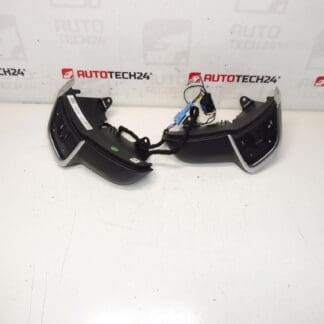
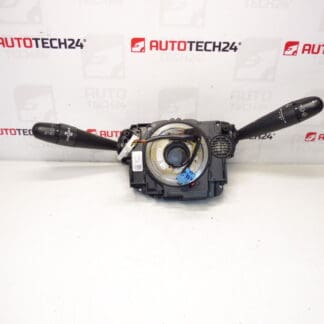
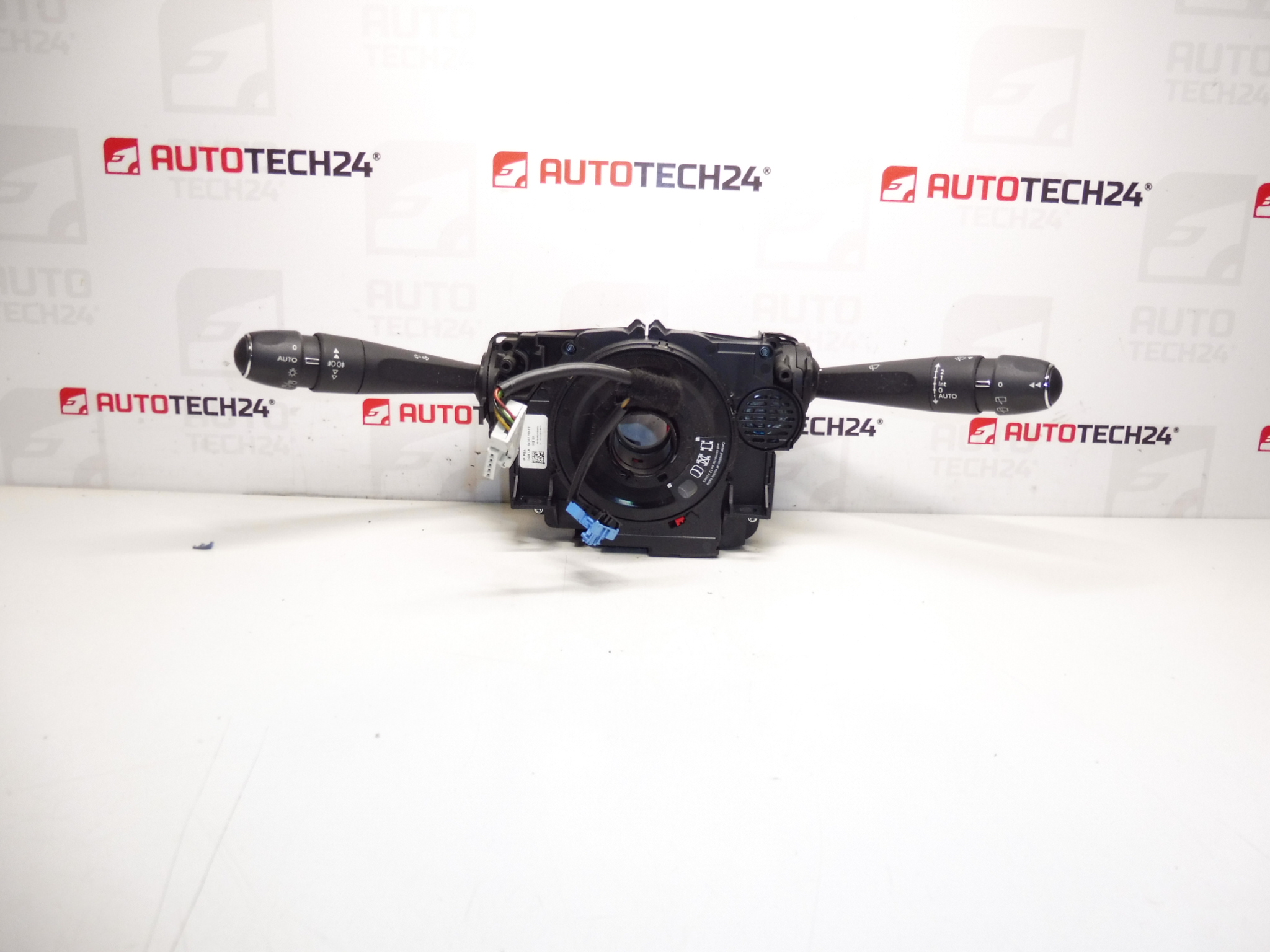
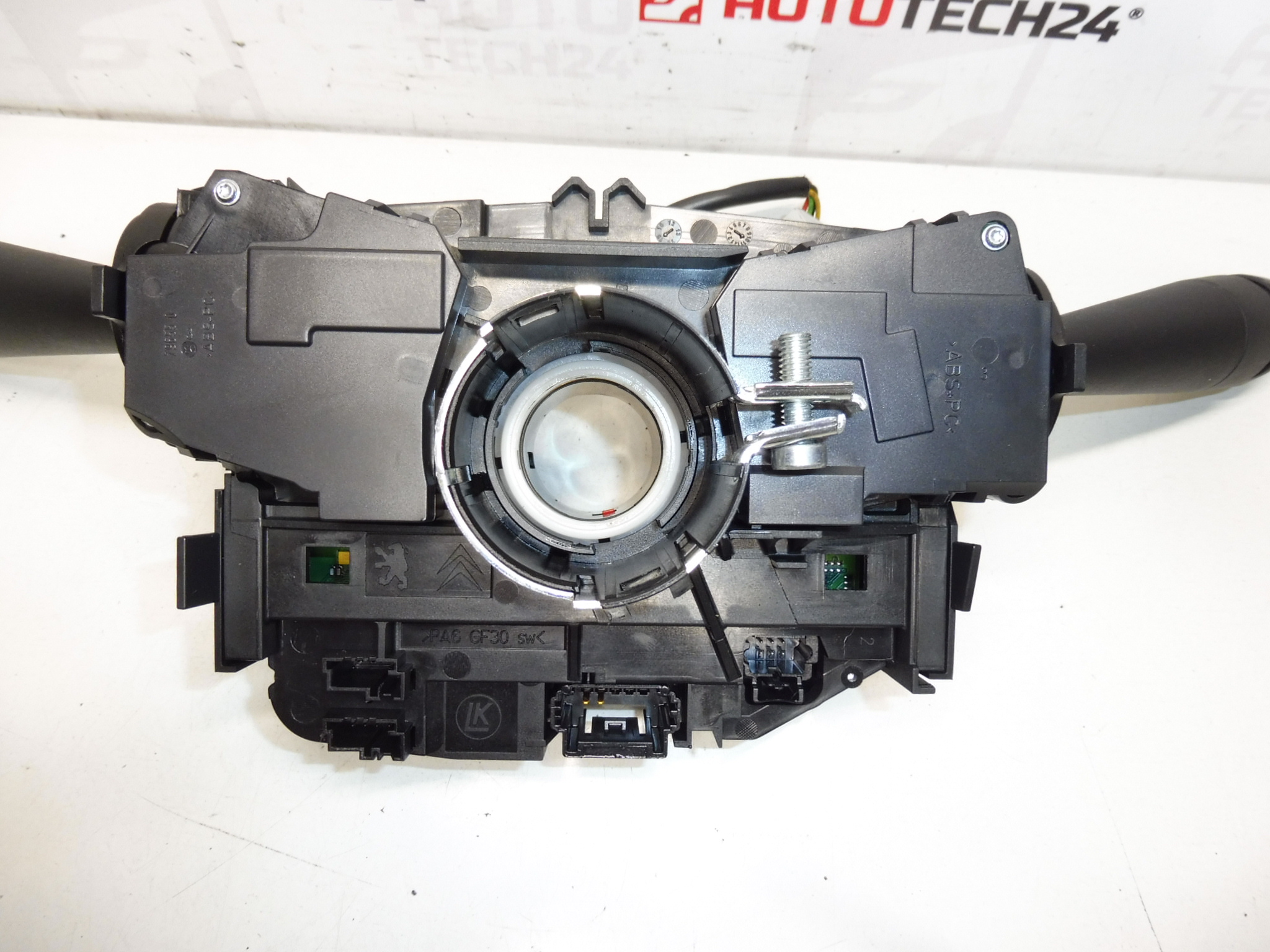
Steering-column control stalks COM2008 for Citroën C4 II, Peugeot 508, DS4 and DS5. They control headlights, fog lights, front and rear wipers, turn signals, horn and the trip computer.
High-quality COM2008 steering-column stalk assembly designed for Stellantis vehicles (Citroën / Peugeot). This multifunction switch controls lighting, indicators, fog lamps, windshield wipers (front and rear), horn and the onboard trip computer functions. The part is commonly searched by product codes 98000242ZD and 98199434ZD, so using these references helps you find the exact replacement fast. Built for workshop use and DIY maintenance, the unit restores full steering-column functionality and eliminates typical intermittent electrical faults caused by worn internal contacts.
Technical Information
- Manufacturer: Stellantis (Citroën / Peugeot)
- Model: Citroën C4 II; Peugeot 508; DS4; DS5
- Product Codes: 98000242ZD, 98199434ZD
- Additional Numbers: COM2008
Installation Recommendations
Follow safe workshop practices. Disconnect the negative battery terminal and wait at least 10 minutes before starting to avoid accidental airbag deployment. Set the steering wheel in the straight-ahead position. Remove the lower and upper steering column trim panels to access the stalk assembly. Unplug the electrical connector(s) and release any retaining clips or screws holding the stalk module in place. Fit the new stalk, reconnect the wiring harness, reassemble trims and reconnect the battery. After installation, verify all functions—headlights, fog lights, turn signals, front and rear wipers, horn and trip computer—before returning the vehicle to service. If the vehicle stores steering-angle or airbag fault codes, follow the manufacturer’s diagnostic and reset procedures.
Why This Part Most Commonly Fails
- Mechanical Wear: Frequent use of switches and stalks causes internal contacts and plastic parts to wear over time.
- Electrical Contact Degradation: Arcing and oxidation on contact surfaces lead to intermittent operation of lights, indicators or wipers.
- Moisture and Corrosion: Water ingress or condensation can corrode connectors and switch contacts.
- Physical Damage: Impact to the steering column or aggressive handling when removing trims can break levers or mounting points.
Function And Common Symptoms
This multifunction stalk assembly handles lighting selection, fog lamps, turn signals, front and rear wiper control, horn activation and trip computer inputs. Typical failure symptoms include intermittent or non-functioning indicators, wipers that operate only on some speeds or not at all, fog lights or headlights failing to respond, malfunctioning horn, error messages related to steering-column switches, or the trip computer buttons not responding.
Because many customers search by reference numbers, use the product codes 98000242ZD and 98199434ZD or the internal reference COM2008 to quickly locate the correct replacement for Citroën C4 II, Peugeot 508, DS4 and DS5 models.