Description
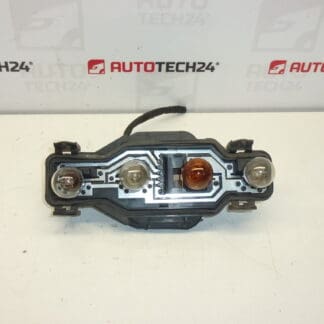
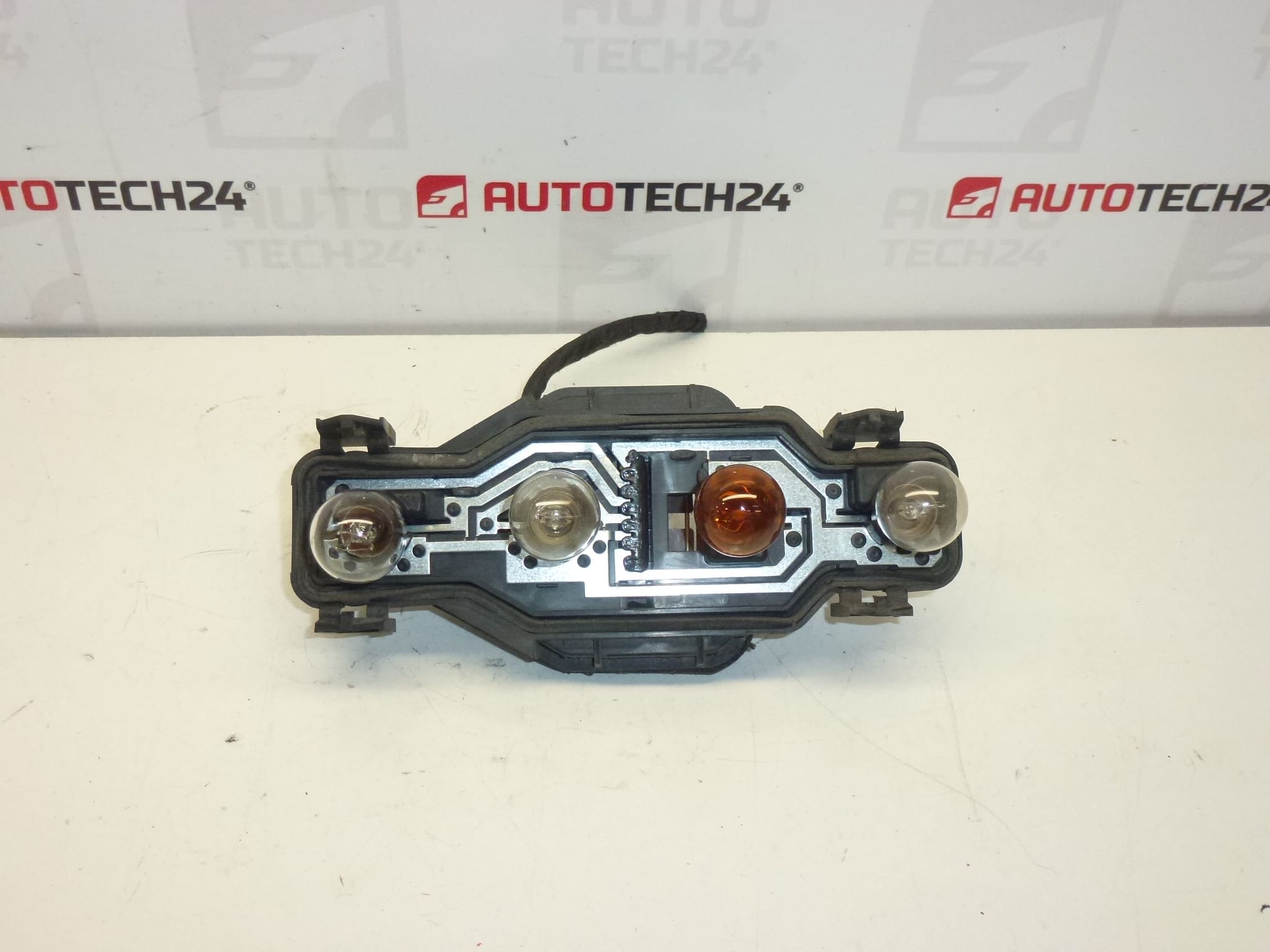
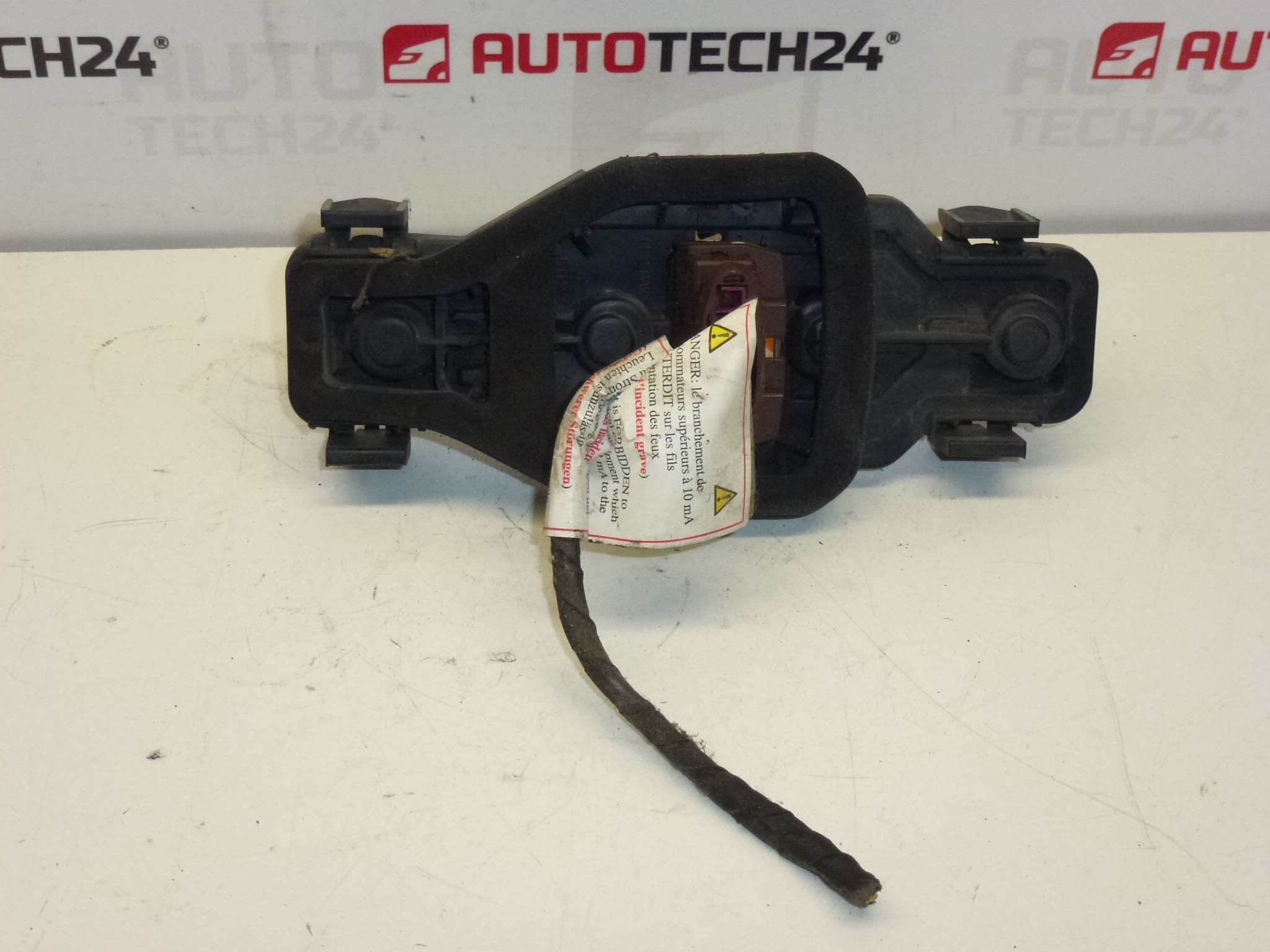
Bulb holder – rear light – for Citroën Berlingo and Peugeot Partner first series. No Corrosion, Not Heat-Damaged, Fully Functional, Functionality Of Bulbs Is Not Guaranteed.
This replacement bulb holder with a short length of wiring is a practical and cost-effective solution for workshop professionals and DIY enthusiasts working on Citroën Berlingo and Peugeot Partner first‑series rear lamp assemblies. Designed to restore electrical contact and secure bulb retention in tail lights, the unit helps eliminate flickering, intermittent lighting or complete lamp failure caused by worn or damaged lamp sockets. Commonly searched by product code 634679, this part is ideal for fast on‑vehicle repairs and parts stocking.
Technical Information
- Manufacturer: Stellantis (Citroën/Peugeot)
- Model: Citroën Berlingo; Peugeot Partner (First Series)
- Product Codes: 634679
- Additional Numbers: Not Available
Compatibility And Fitment
Intended For Rear Lamp Applications On First‑Series Citroën Berlingo And Peugeot Partner Models. Fitment Should Be Verified Visually Against The Existing Socket And Wiring Harness On The Vehicle. Typically Replaces Factory Tail Lamp Bulb Holders That Show Signs Of Contact Wear Or Connector Damage.
Installation Recommendations
- Disconnect The Battery Before Starting Work To Avoid Short Circuits And Prevent Damage To Vehicle Electronics.
- Remove The Tail Light Lens/Assembly To Access The Bulb Holder; Retain All Fasteners For Reassembly.
- Unplug The Vehicle Connector And Remove The Old Bulb Holder From The Lamp Housing. Inspect The Wiring And Plug For Signs Of Damage.
- Install The New Holder Into The Lamp Housing Ensuring Proper Orientation And Secure Clip Engagement. Reconnect The Vehicle Connector.
- Refit The Tail Light Assembly And Reconnect The Battery. Test All Rear Light Functions (Brake, Tail, Indicator, Reverse) After Installation.
- Use Dielectric Grease On Contacts If Exposed To Moisture Or Corrosive Environments To Improve Longevity.
Why This Part Fails Most Often
Bulb Holders Typically Fail Due To Corrosion From Moisture Ingress, Heat Damage From Overheating Or Poor Bulb Contact, Mechanical Wear From Vibration, And Cracked Or Brittle Plastic From Age And UV Exposure. Loose Or Oxidised Contacts Cause Intermittent Lighting And Increased Electrical Resistance, Leading To Further Heating And Accelerated Degradation.
Practical Notes For Mechanics And DIYers
The Unit Is Supplied With A Short Piece Of Wiring To Facilitate Direct Fitment In The Tail Lamp Housing. Because The Functionality Of Bulbs Is Not Guaranteed, Replace Bulbs If They Show Any Sign Of Failure After Installing The Holder. Keep The Part Number 634679 Handy When Searching Catalogues Or Ordering To Speed Up Sourcing.
Robust, Easy To Fit And Optimised For Quick Garage Repairs, This Bulb Holder Is A Reliable Choice To Restore Rear Lamp Function On First‑Series Berlingo And Partner Models.