Description
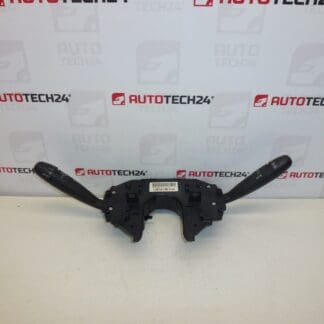
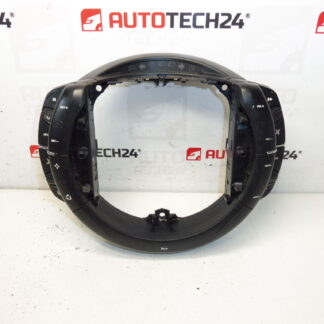
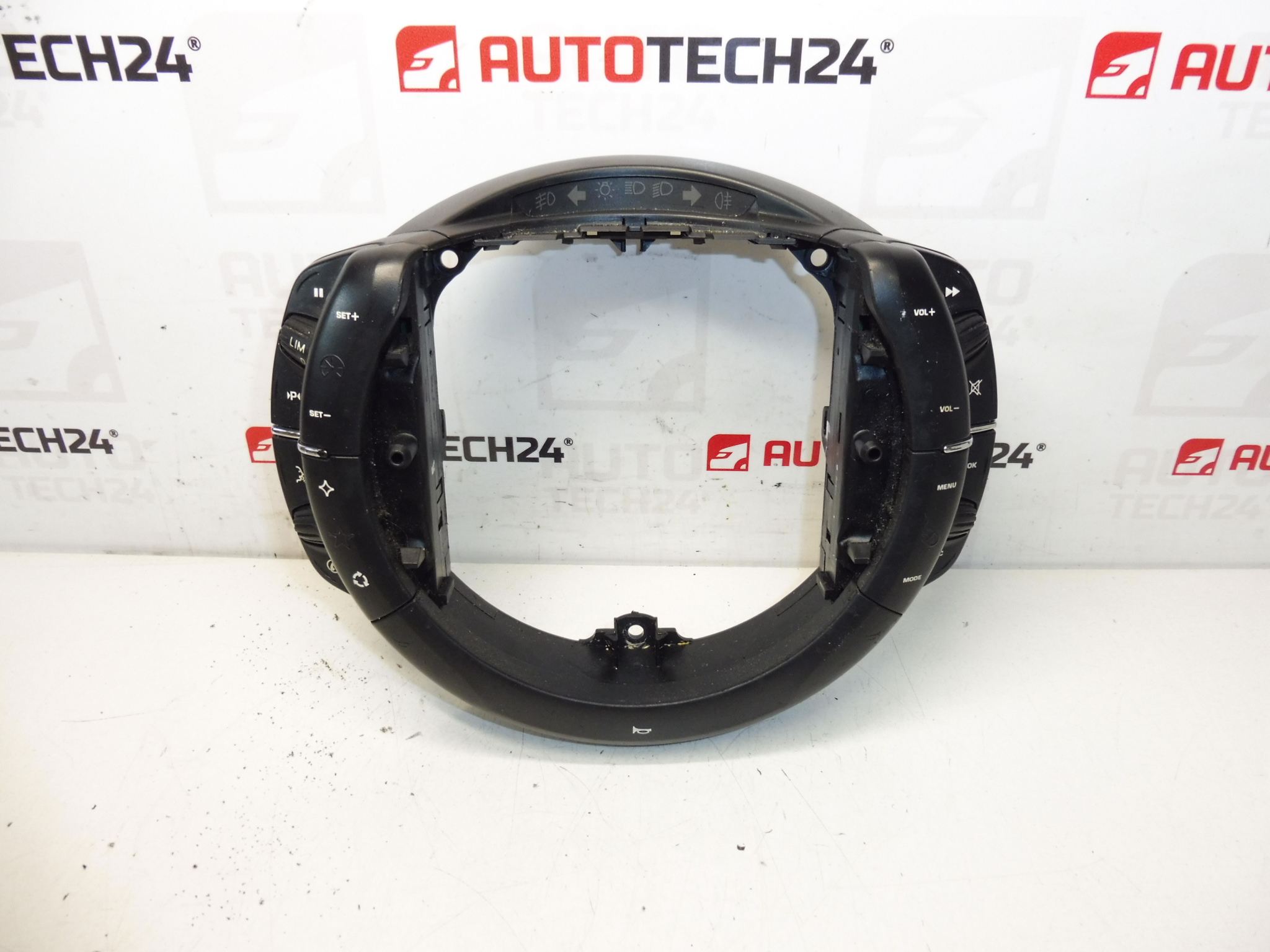
VALEO steering wheel controls for CITROEN C4, C4 PICASSO and GRAND PICASSO cars
They control the cruise control, car radio, on-board PC and horn
Part description
This used part is intended for Citroën C4, C4 Picasso and C4 Grand Picasso cars. These are controls on the steering wheel that ensure convenient control of selected car functions without having to take your hands off the steering wheel. Thanks to this, they are important not only for comfort, but also for practicality in everyday car use.
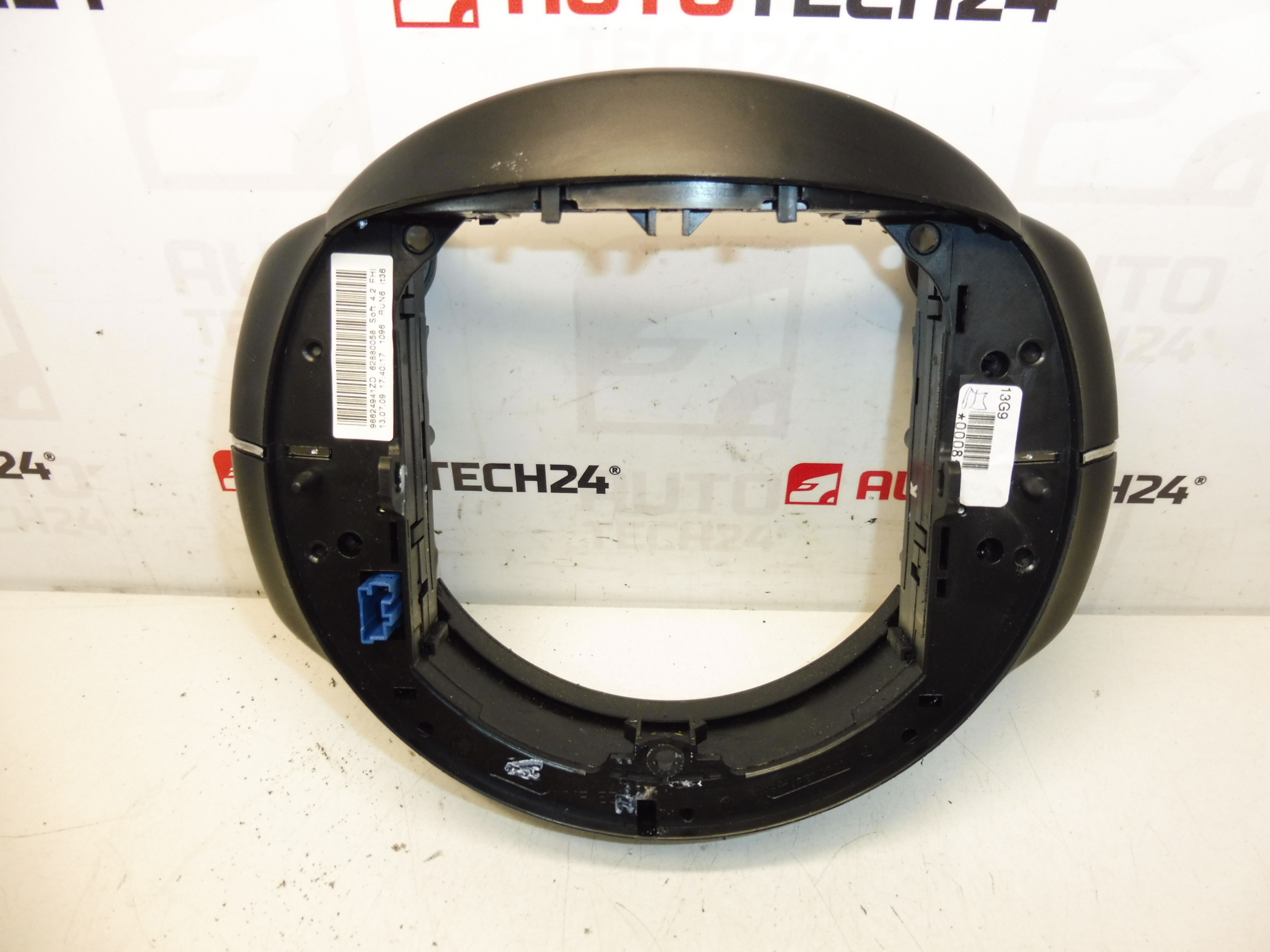
The controls are used to operate the functions that are listed in the documents, i.e. cruise control, car radio, on-board computer and horn. For many owners of Citroën and Peugeot cars, the most common search for this part is based on the production or order number, so here we also present important identification codes to make it easier to find the right part.
The advantage of an original used part is the preservation of the original design and connectors, which are often important during replacement. If you are looking for steering wheel controls for Citroën C4 or C4 Picasso by number 96624941ZD or 6242Y9, this is the part.
Technical information
- Manufacturer: VALEO
- Model: Citroën C4, Citroën C4 Picasso, Citroën C4 Grand Picasso
- Other numbers: 96624941ZD, 6242Y9, NFP
Product codes
- Product codes: 96624941ZD, 6242Y9
- Tags / model names: Citroën C4, Citroën C4 PICASSO
Installation recommendations
Generally/typically, the exact replacement procedure for controls on the steering wheel and parts around the steering column depends on the specific design of the car. Below is a safe and practical general procedure typical for this type of electrical work.
1) Before assembly
- Check that the part codes and connector designs match the old part.
- Compare the shape of the body of the part, the attachment, the position of the latches and the condition of the contacts.
- Check that the used part is not mechanically damaged, cracked or dirty.
- Disconnect the battery and wait a reasonable time before starting work, especially if you will be working in the area of the steering wheel and steering column.
2) Necessary tools and materials
- A common set of hand tools
- Screwdrivers and possibly bits according to the type of connecting material
- Plastic pry bar for removing interior covers
- Cleaning agent for electrical contacts
- Clean cloth or tea towel
- Protective gloves
3) Step-by-step assembly procedure
- Park the vehicle in a safe place and secure it against movement.
- Turn off the ignition and disconnect the battery.
- Dismantle the necessary plastic covers around the steering column so that there is safe access to the part.
- Carefully disconnect the electrical connectors of the original controller without force and without pulling on the wiring.
- Unfasten the old part according to the specific design of the car.
- Remove the original drivers and compare them to the new piece – especially the connectors, mounts and overall design.
- If necessary, gently clean the contact surfaces and the surrounding area of the installation.
- Place the used part in place so that it fits correctly in the holder and is not under tension.
- Connect the connectors in the same position as they were connected on the original part.
- Check that the wiring is not pinched and that no part is obstructing the movement of the controls.
- Reinstall all covers and fasteners.
- Connect the battery and perform a basic function check.
-
4) Post-assembly checks and function verification
- Verify the correct operation of the car radio control.
- Check the reactions of the on-board computer to commands from the controllers.
- Test the cruise control functions if the car is equipped with them.
- Check horn function.
- Observe that the controls respond smoothly, without dropouts and without the need for excessive pressure.
5) The most common assembly mistakes + how to avoid them
- Similar part interchange – always compare product numbers and connectors.
- Damage to plastic covers – use a suitable pry bar and proceed without violence.
- Insufficiently inserted connectors – always check their correct seating after connection.
- Pinched wiring – check cable routing before final assembly.
- Assembly without checking the condition of the part used – check the condition of contacts, mounting and mechanical parts before installation.
Reasons why the part is damaged
- Normal wear from frequent use of control levers and buttons.
- Mechanical stress around the steering wheel and steering column.
- Damage to contacts due to age, oxidation or pollution.
- Reckless disassembly or assembly, during which plastics crack or connectors are damaged.
- Intrusion of dirt into the moving parts of the controller, which can cause a worse reaction or malfunction of individual functions.