Description
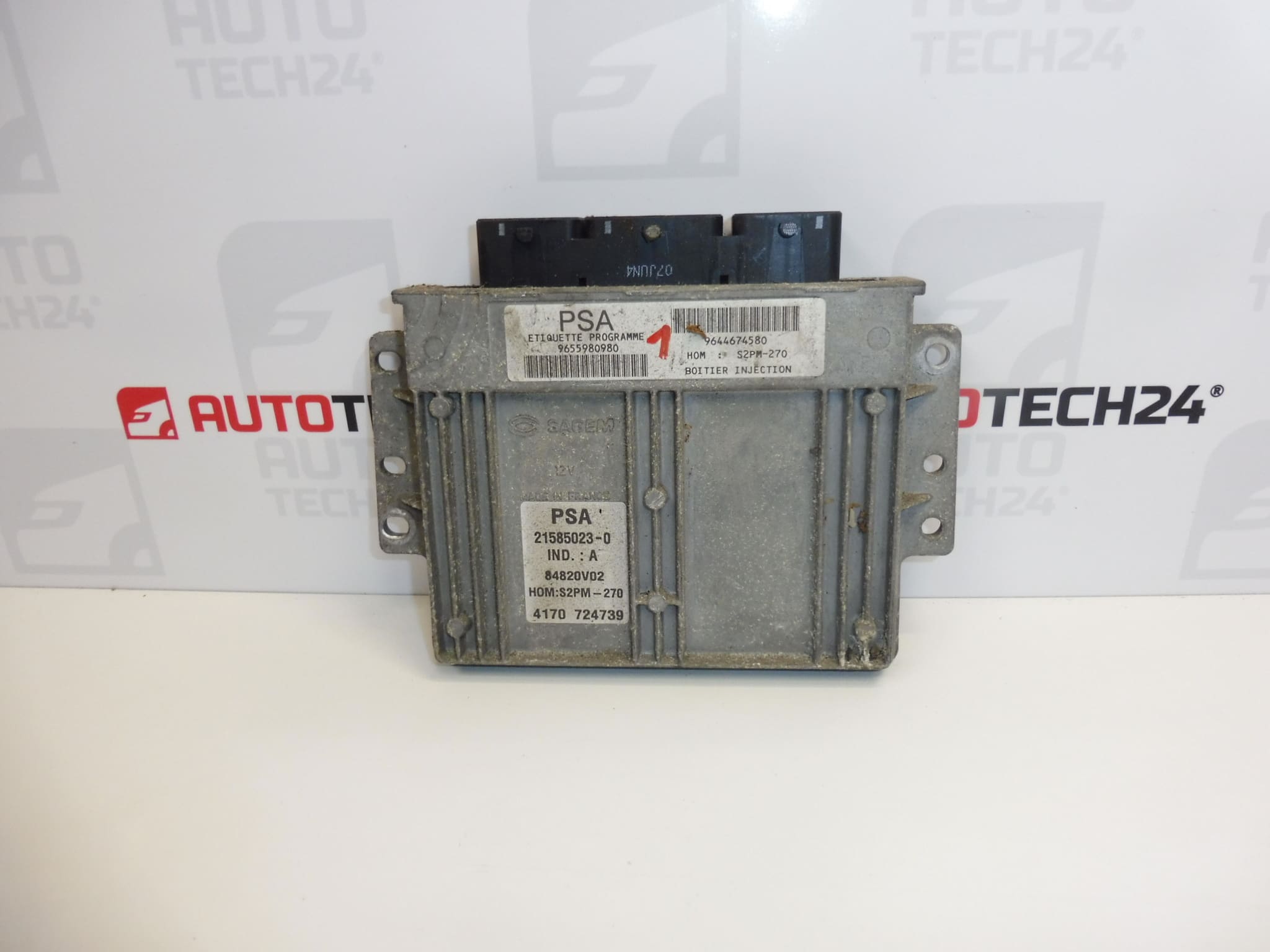
SAGEM Engine Control Unit for Citroën Xsara Picasso 1.8 16V 6FZ
Replacement SAGEM ECU S2PM-270 designed for Citroën Xsara Picasso 1.8 16V. Frequently searched by part numbers 9655980980, 9644674580, 194211 and 194216. Suitable for professional garages and experienced DIY mechanics who look up parts by product codes. This injection control unit manages fuel delivery, ignition timing and diagnostics to ensure correct engine performance.
The Engine Control Unit (ECU) is responsible for processing sensor signals and controlling actuators to optimize combustion, emissions and drivability. Typical symptoms of ECU-related faults include rough idle, stalling, difficulty starting, poor acceleration, increased fuel consumption and stored fault codes in the engine management system. Immobilizer or anti-theft related pairing errors can also prevent engine start if the unit is not correctly coded to the vehicle.
Replacement Procedure
Basic removal and installation steps for an experienced mechanic or competent DIY technician:
- Disconnect the negative terminal of the battery before any work to avoid short circuits or damage to the unit.
- Locate the ECU (position can vary by model year; commonly under the dashboard or in the engine bay behind protective covers).
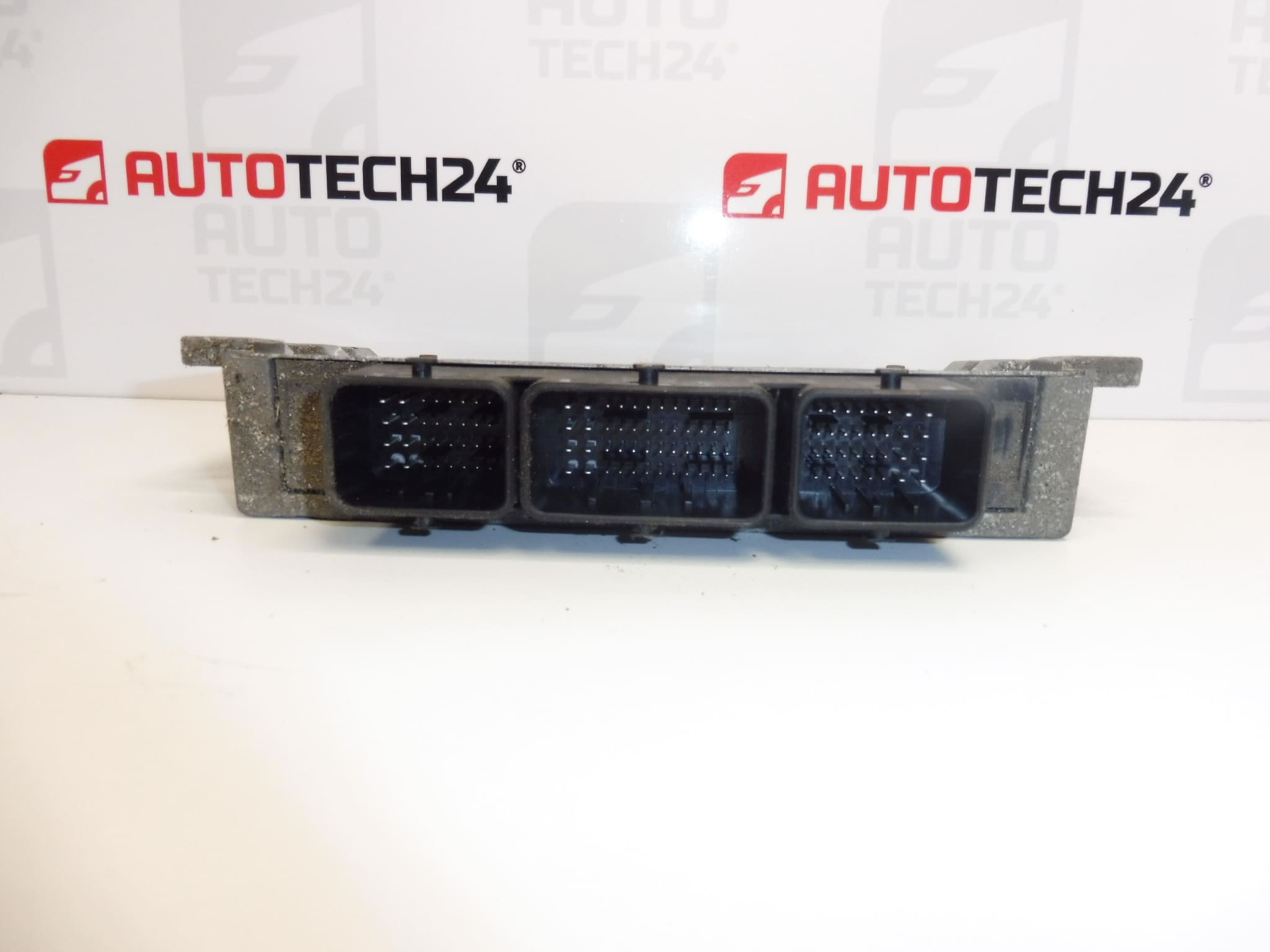
- Remove any trim or protective covers, then disconnect electrical connectors carefully, avoiding damage to pins and locking tabs.
- Unscrew the mounting bolts and remove the faulty unit.
- Install the replacement ECU, secure bolts and reconnect connectors. Refit covers and reconnect the battery.
- After mechanical installation, perform cloning or coding as required (see Installation And Coding – Important section below).
Technical Information
- Manufacturer: Sagem
- Model: Citroën Xsara Picasso 1.8 16V (6FZ)
- Product Codes: 9655980980, 9644674580, 194211, 194216
- Other Numbers: S2PM-270
Installation And Coding – Important
– The unit is used and is paired with the original vehicle (VIN/PIN/keys).
– Options to put the unit into operation:
- Cloning data from the old unit (EEPROM/Flash) – after cloning the unit is plug and play.
- Virginization and subsequent initialization/telecoding via DiagBox (or online) plus key adaptation.
– It is recommended to be performed by a specialist with PSA service equipment (DiagBox/Lexia/PP2000).
– Always disconnect the battery before removal/installation and follow the manufacturer procedure to avoid damaging the unit.
Recommendations For Installation
- Handle connectors and circuit boards with care; avoid touching electronic components and pins directly.
- Use proper tools and static-safe precautions when handling the ECU.
- Ensure all connectors are dry and corrosion-free before reconnection; apply dielectric grease on exposed terminals if appropriate.
- Perform cloning or coding immediately after fitting to restore immobilizer and engine management communication.
- Verify and clear fault codes with a diagnostic tool after installation and perform a test drive to confirm correct operation.
Why The Part Most Often Fails
- Water ingress or moisture reaching the ECU or its connectors, often due to degraded seals or after repairs.
- Corrosion on connector pins leading to intermittent contacts and communication errors.
- Electrical faults from poor grounding, voltage spikes, or incorrect jump-start procedures.
- Thermal stress and aging of internal components after many years of service.
- Software/immobilizer pairing issues following battery replacement or prior ECU replacement without proper coding.
Choosing the correct ECU by product number and following the recommended coding/cloning procedure restores full engine management functionality and prevents common immobilizer-related no-start conditions.