Description
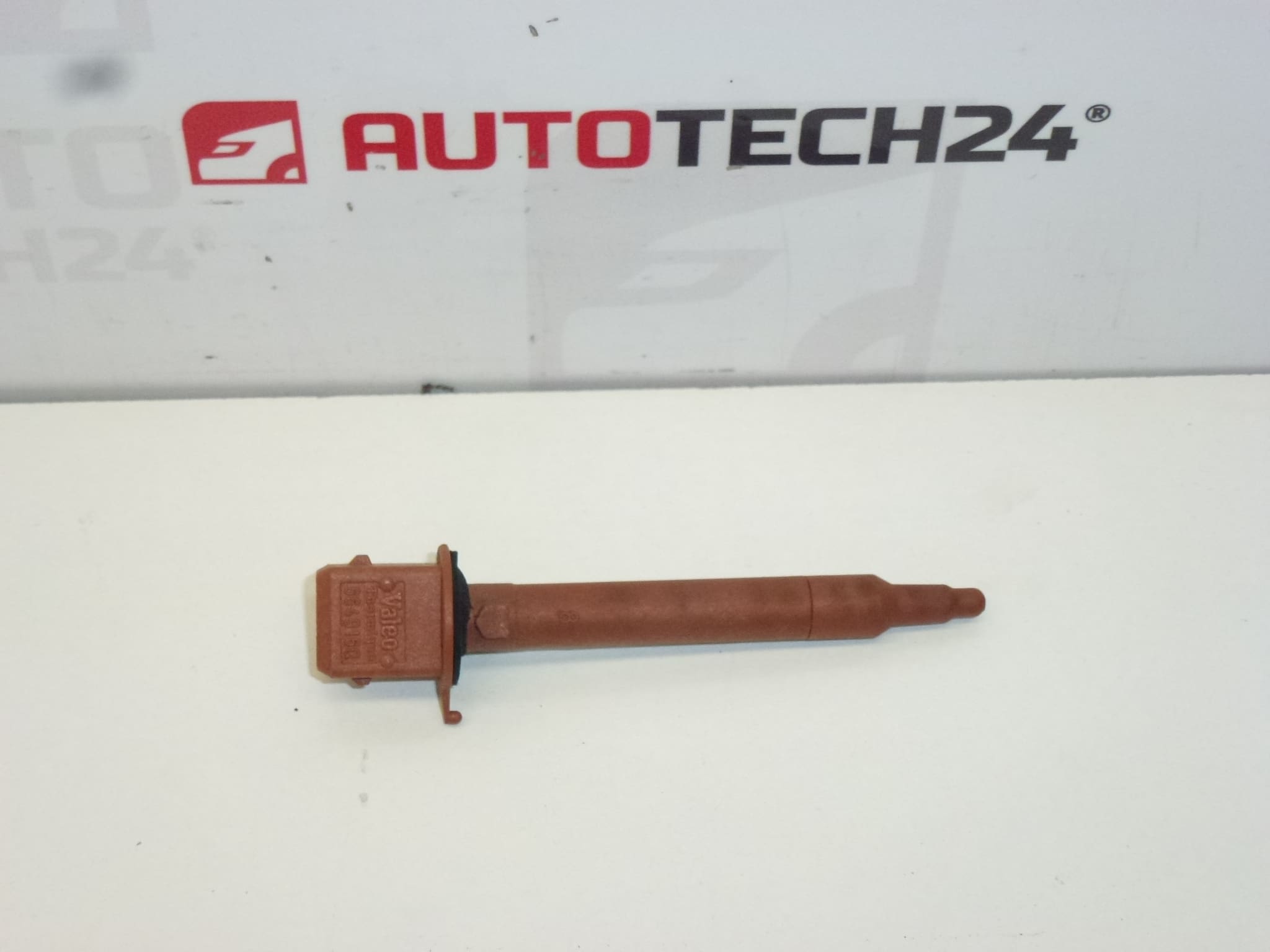
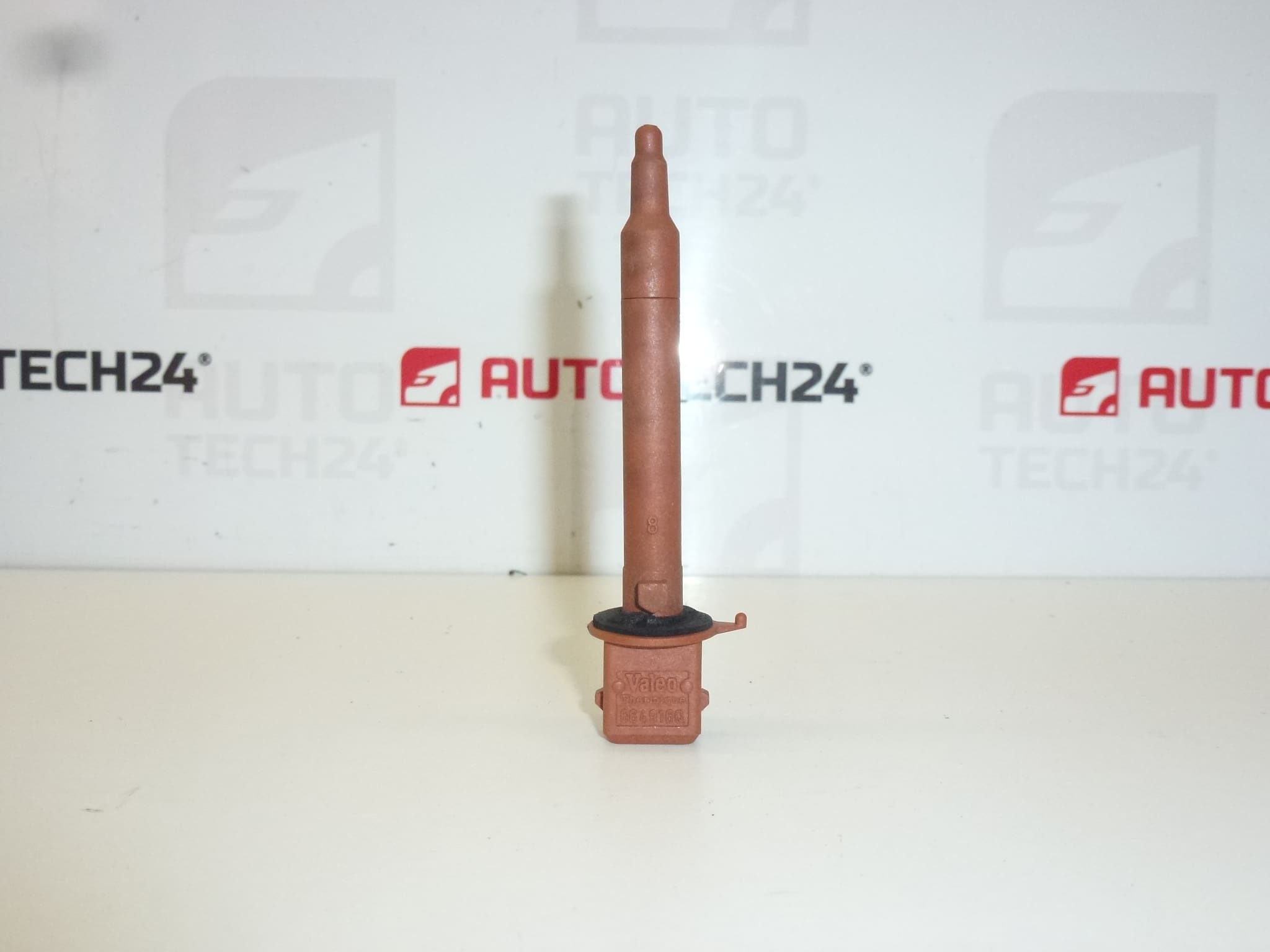
Interior Air Temperature Sensor for Peugeot 406 and other compatible models. Evaporator Probe by Valeo.
Description
This interior/evaporator temperature sensor is designed for climate control systems on Citroën and Peugeot vehicles, most notably the Peugeot 406. The sensor monitors the temperature of the air around the evaporator and inside the HVAC housing, providing the control unit with accurate readings to regulate heating, ventilation and air conditioning (HVAC) operation. Commonly referenced by part numbers 664916Q and 6445NG, this evaporator probe is a direct-fit replacement for technicians and DIY enthusiasts seeking reliable cabin temperature control.
Technical Information
- Manufacturer: Valeo
- Model: Peugeot 406 (and other compatible Stellantis models)
- Product Codes: 664916Q, 6445NG
- Other Numbers: References used by Stellantis/Peugeot/Citroën as listed above
Function And Benefits
The sensor measures air temperature near the evaporator and sends this data to the HVAC control unit. Accurate readings allow the climate system to prevent evaporator freeze-up, optimize compressor cycling, and maintain stable cabin temperature. Replacing a worn or faulty probe restores correct automatic climate behavior and improves passenger comfort.
Installation Recommendations
Removal and fitting are straightforward for a trained mechanic or experienced DIYer. Typical steps:
- Ensure vehicle is parked, ignition off, and battery isolated if recommended by the vehicle manufacturer.
- Gain access to the HVAC housing—this often requires removing glovebox trim or lower dashboard panels to reach the evaporator area.
- Disconnect the electrical connector from the sensor and remove any retaining clip or screw.
- Carefully extract the probe from its mounting grommet or holder and install the new sensor in the same position and orientation.
- Reconnect the connector, reassemble trim panels, and verify HVAC operation. Check for proper blower and temperature regulation during a short test drive.
Use care when working near the evaporator to avoid damaging fins or introducing contaminants. Replace any worn grommets or seals to maintain correct sensor positioning and to prevent moisture ingress.
Common Failure Causes
- Moisture Ingress: Condensation around the evaporator can corrode contacts or degrade the sensor element.
- Contamination: Dust, debris or refrigerant oil can impair sensor response when it accumulates on the probe.
- Mechanical Damage: Mishandling during dashboard or evaporator service can break the probe or its mounting.
- Ageing And Thermal Cycling: Repeated temperature changes over years can lead to drift or failure of the sensing element.
Diagnosis Tips
Typical symptoms of a faulty sensor include incorrect cabin temperature readings, erratic compressor cycling, repeated defrost/anti-freeze cycles, or poor climate control regulation. When diagnosing, compare actual cabin temperature to setpoint behavior, inspect the sensor and connector for corrosion, and scan HVAC fault codes where available. Replacing a suspect sensor often resolves automatic climate control anomalies.