Description
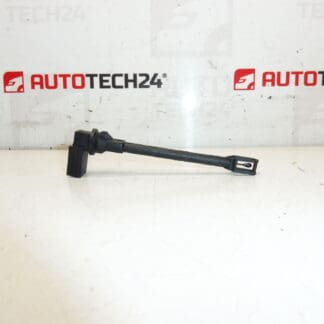
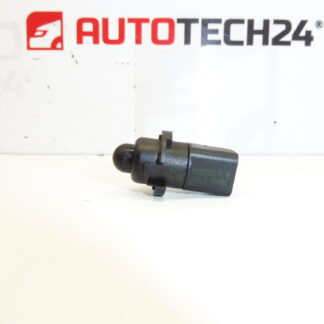
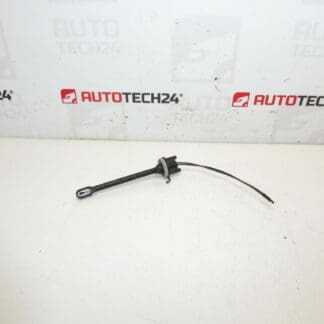
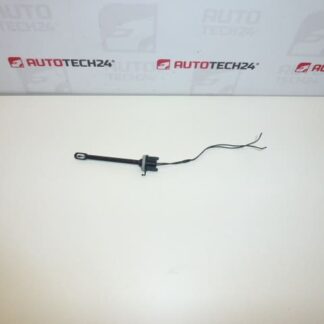
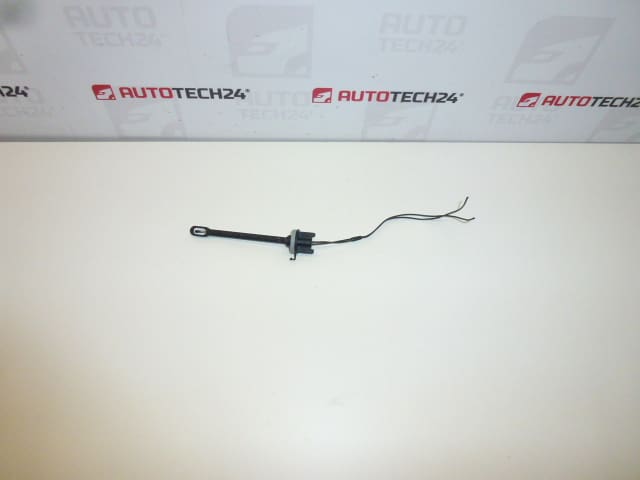
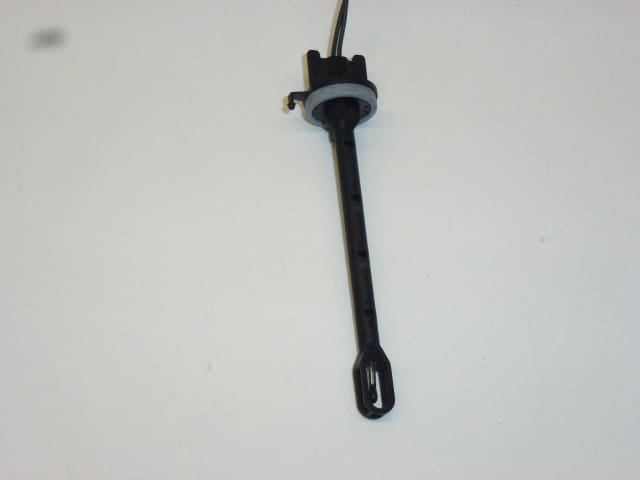
Interior air temperature sensor for Citroën and Peugeot vehicles.
The Cabin Temperature Sensor 6445ZT is a direct-fit replacement part designed to restore accurate interior temperature readings for climate control systems on select Citroën and Peugeot models. Correct measurement of cabin air temperature is essential for automatic HVAC regulation: a faulty sensor can cause incorrect temperature display, poor automatic climate control behaviour and increased fuel consumption from excessive heating or A/C use. This sensor is compact, electrically connected to the HVAC control unit and usually installed in or near the ventilation/evaporator housing to sample cabin air.
Benefits for professional technicians and DIY mechanics include straightforward access on many models, direct product code reference (6445ZT) for fast identification, and reliable OEM-fit geometry that matches mounting points and connectors of the original sensor.
Technical Information
- Manufacturer: Stellantis (Citroën / Peugeot)
- Model: Citroën C2, Citroën C3, Peugeot 207, Peugeot 208
- Product Codes: 6445ZT
- Other Numbers: 6445.ZT (alternate notation)
How It Works
The sensor monitors the temperature of the cabin air and sends an electrical signal to the HVAC control module. The control unit uses this information to regulate blower speed, blend doors and compressor cycling in order to maintain the selected cabin temperature in automatic mode.
Common Symptoms Of A Faulty Sensor
- Incorrect cabin temperature displayed on the HVAC panel.
- Automatic climate control not reaching or maintaining set temperature.
- Frequent cycling of the air conditioning compressor or heater without achieving target temperature.
- Unusual climate control behaviour after interior cleaning or water ingress.
Typical Causes Of Failure
Failure is usually caused by environmental and electrical factors rather than mechanical wear:
- Moisture ingress or condensation inside the HVAC housing leading to corrosion of sensor elements or connectors.
- Dirt, dust or debris obstructing the sensor opening and changing the measured temperature.
- Damaged wiring harness or corroded connector pins producing intermittent or no signal.
- Physical damage from improper handling during dashboard or HVAC servicing.
Replacement Procedure (Overview)
Replacement method may vary by model and year; the following is a general guide for experienced technicians and competent DIYers:
- Prepare the vehicle: switch off ignition and, as a safety precaution, disconnect the battery before starting work.
- Remove required interior trim or glovebox panels to access the HVAC housing or the lower dashboard area where the sensor is mounted.
- Locate the cabin temperature sensor in the ventilation duct or on the HVAC housing. Note the orientation and connector position.
- Release the electrical connector (press lock tab) and carefully remove the sensor from its clip or socket. Avoid forcing fragile plastic tabs.
- Fit the new sensor ensuring correct seating and connector engagement. Reassemble trim in reverse order.
- Reconnect the battery and verify proper operation of the climate control system and correct temperature indication.
Installation Recommendations
- Always handle the sensor and connector gently to avoid damaging plastic clips and pins.
- Check the connector for corrosion or bent pins and clean if necessary before fitting the new sensor.
- Ensure the sensor aperture is free from debris and that airflow to the sensor is unobstructed for accurate readings.
- After replacement, test the HVAC system in automatic and manual modes to confirm correct operation.
Why This Part Usually Fails
Cabin temperature sensors are exposed to variable humidity and dust inside the HVAC system. Over time, moisture accumulation, airborne contaminants and connector corrosion are the most common reasons for drift or loss of signal. Additionally, mechanical damage during dashboard disassembly is a frequent cause of failure when servicing the vehicle.
Compatible part code 6445ZT makes this sensor easy to locate and replace on the listed Citroën and Peugeot models. For workshop efficiency, keep spare sensors and basic trim tools ready when performing HVAC or dash work to avoid additional disassembly if the sensor is found faulty.