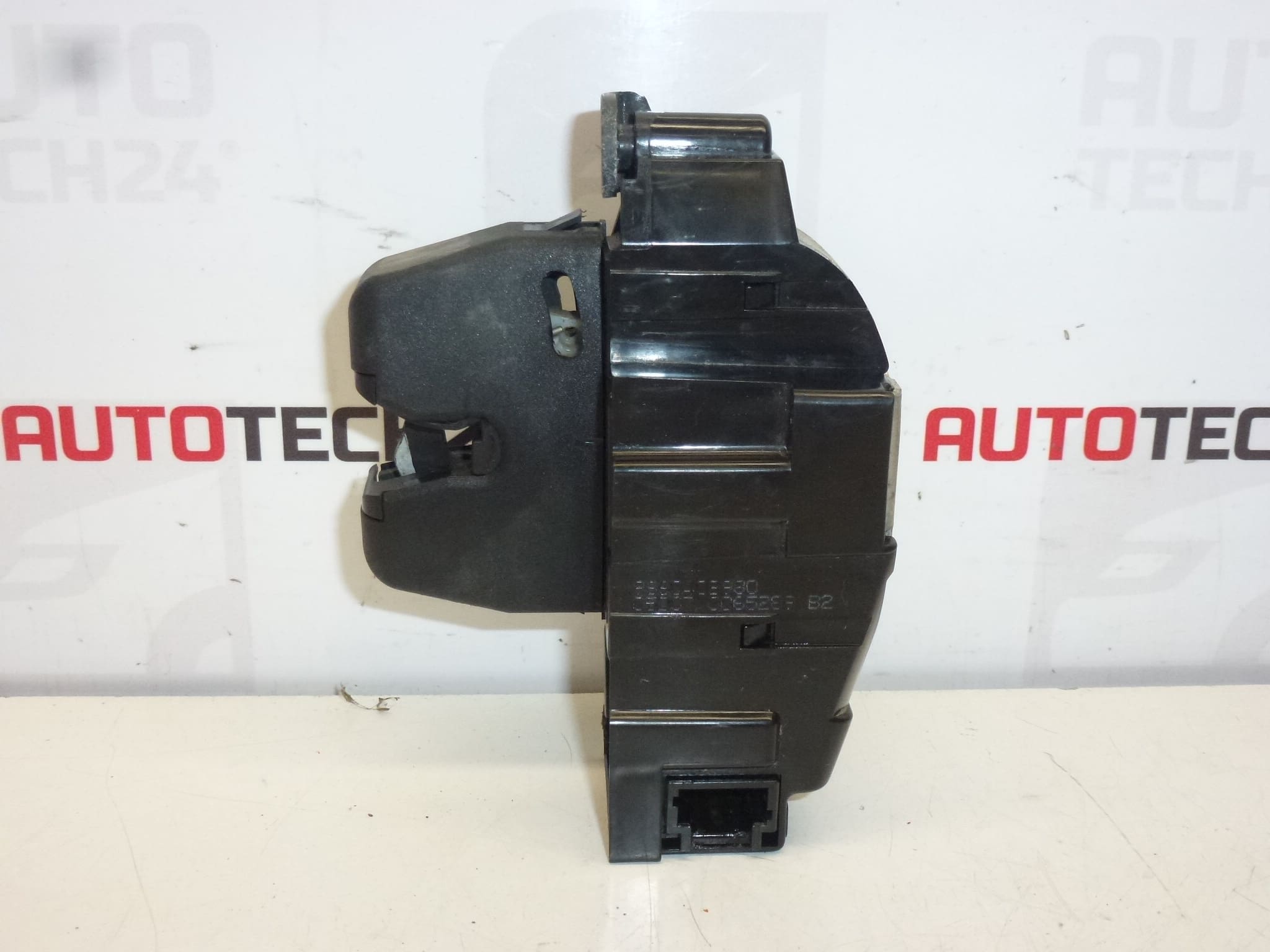
Description
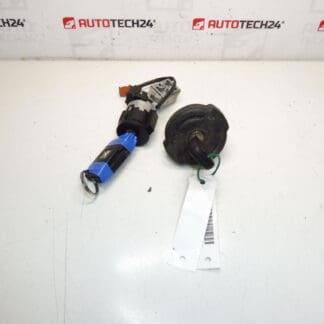
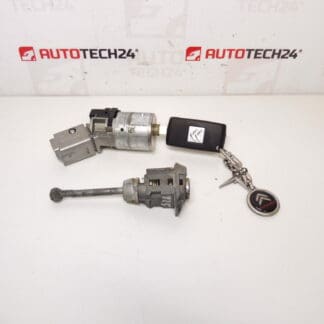
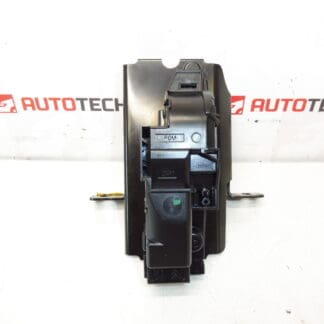
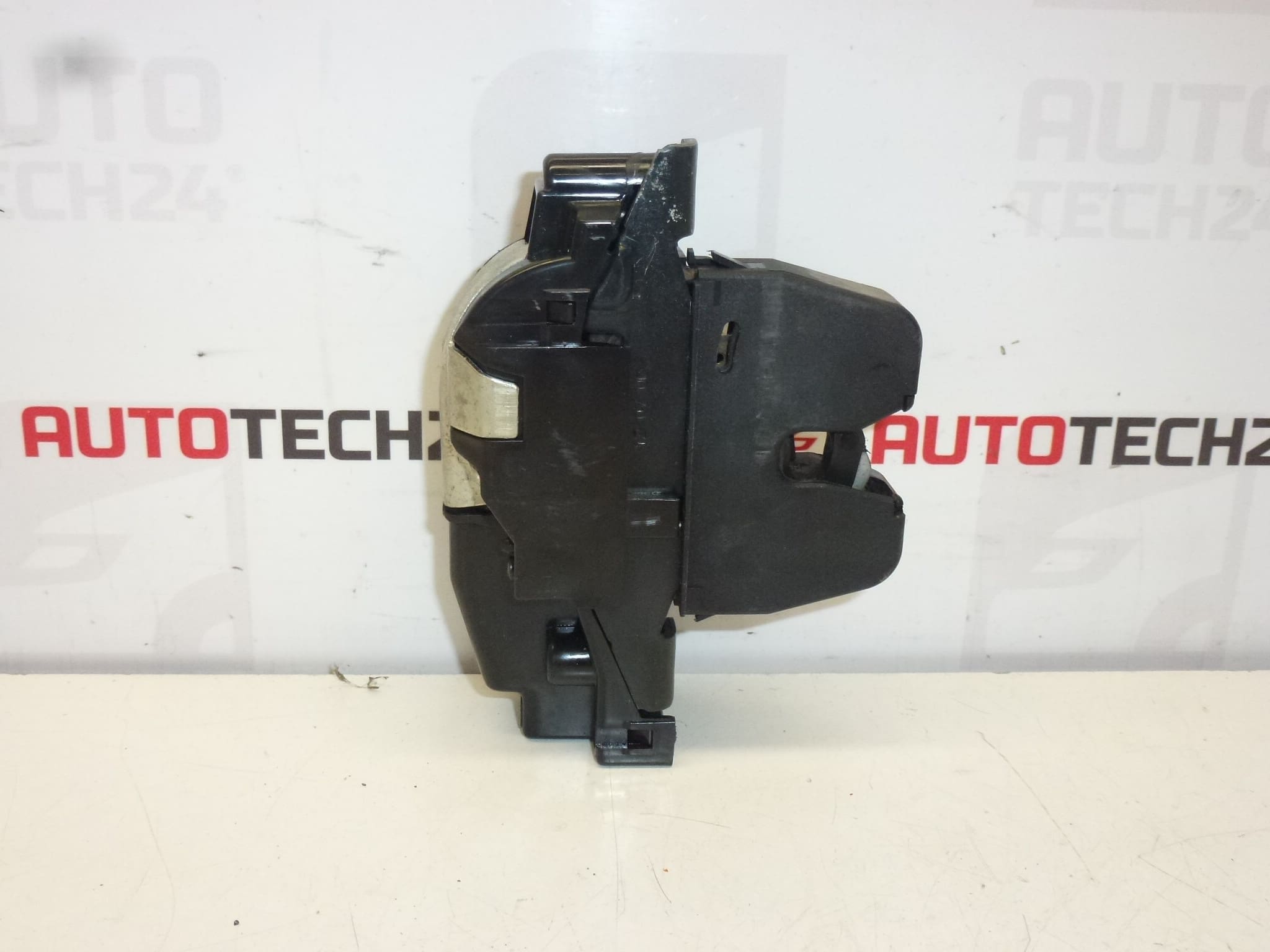
Electric tailgate lock for Citroen C4 Picasso, C5 X7 and PEUGEOT207 cars
Part description
This electric tailgate lock is designed for Citroën/Peugeot cars and serves to securely lock and unlock the lid based on electrical control. It is a used car part suitable as a replacement in case of defects in the original lock, typically when the lid cannot be reliably locked/unlocked or the lock does not respond consistently.
Product numbers 9660403980, 871992, 8719G5, by which these locks are most often searched for and identified in practice, are key for quick tracking and pairing with the existing part.
Technical information
- Manufacturer: Stellantis Citroën Peugeot
- Model: not specified
- Other numbers: 871992, 8719G5
Product codes
- Product codes: 9660403980, 871992, 8719G5
Installation recommendations
Generally/Typically for replacing the power tailgate lock, the exact steps vary depending on the specific model and design of the lid (mounts, connectors, wiring). The procedure below is a practical one-size-fits-all framework.
1) Before assembly
- Compare old and new piece: same product number (9660403980 / 871992 / 8719G5), lock body shape, position of pull/grips and connector type and orientation.
- Check the condition of the connector on the lock (pins straight, no corrosion) and the mechanical part (no cracks, loose parts).
- If possible, manually verify that the lock mechanism runs smoothly (no stuttering).
2) Necessary tools and materials
- Basic set of screwdrivers and bits (according to the used connecting material)
- Plastic crowbar for removing upholstery/covers
- Pliers for buckles/pins (depending on the design of the tie rods)
- Electrical contact cleaner (optional) and cloth
3) Step-by-step assembly procedure
- Secure the vehicle against movement and open the tailgate.
- For work safety, disconnect the battery (typically when working on electrical components in the body).
- Remove the inner trim/back cover to gain access to the lock.
- Disconnect the electrical connector of the lock (unlock the connector first, do not pull on the cables).
- Release and disconnect the mechanical connection (rod/handle) between the lock and the control mechanism according to the design.
- Unscrew/unlock the lock fastening and remove the lock.
- Compare the old and new part (mounting, connector, cable guide) once more to avoid confusion.
- Place the new lock in its original position and fasten it in the same way as the original piece.
- Attach the mechanical tie rod/mount and check that nothing rubs and the tie rod is not under tension.
- Connect the electrical connector and check that the fuse clicks properly.
- Reinstall the trim/cover of the back cover (seat the clips and handles evenly).
- Connect the battery and perform a functional test.
-
4) Post-assembly checks and test drive/function verification
- Verify the function of locking/unlocking the back cover repeatedly (several times in a row).
- Check that the lid holds properly when closed and there is no play or ‘click’ from not being seated.
- After a short drive, check whether the fault does not return (e.g. self-unlocking / non-functioning unlocking).
5) The most common assembly mistakes + how to avoid them
- Part replacement by appearance instead of number → always verify codes 9660403980 / 871992 / 8719G5.
- Damage to the connector or wiring when disconnecting → release the connector fuse, do not pull the wires.
- Incorrect fit of the tie rod/handle → after assembly, manually check for free movement and correct seating.
- Loose lid lining → push the clips in gradually so that they don’t crack and nothing resonates.
Reasons why the part is damaged
- Wear of the lock mechanism due to frequent use (backlash, stuttering, reluctance to click).
- Moisture and corrosion in the lock/connector area, poor contact or stiffening of the mechanism.
- Electrical fault in the connector or supply (loose pins, oxidation) which leads to irregular function.
- Mechanical stress when closing the lid violently or when the seat is not properly adjusted.
- Pollution (dust, mud) in the mechanism, which gradually worsens the operation.