Description
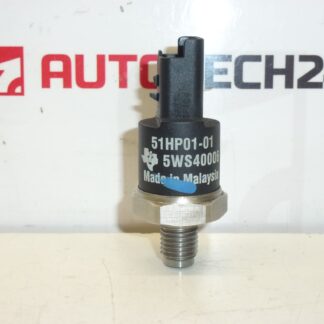
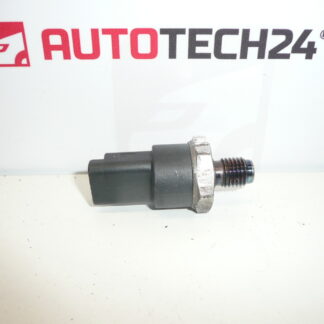
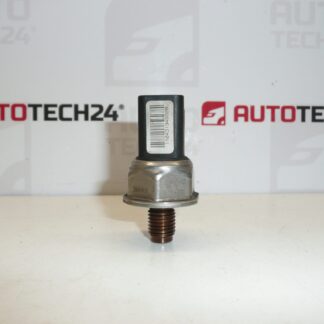
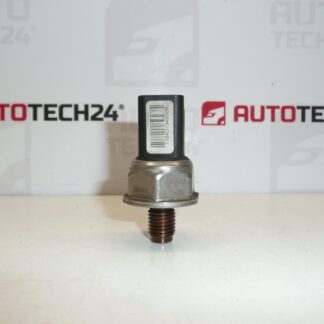
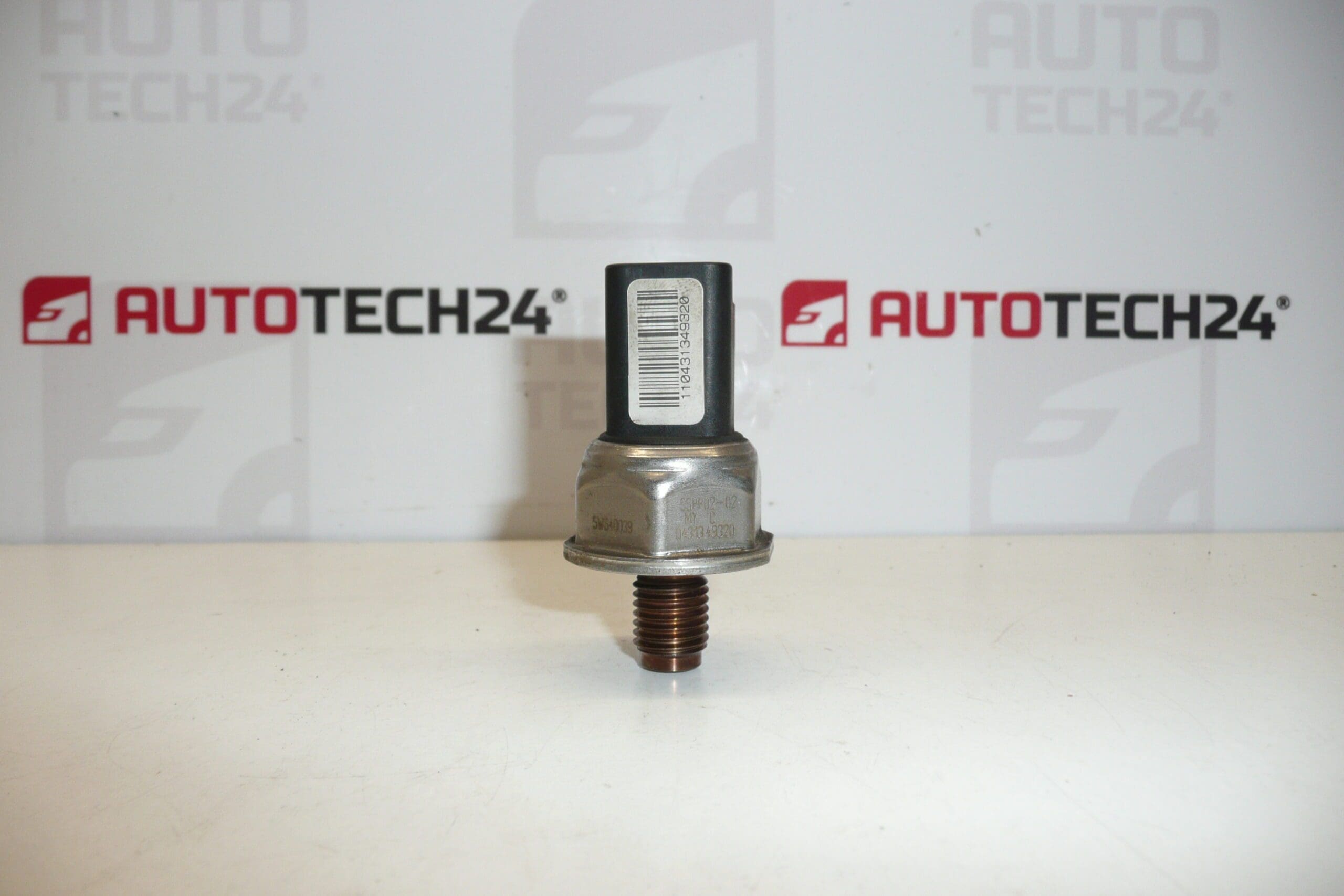
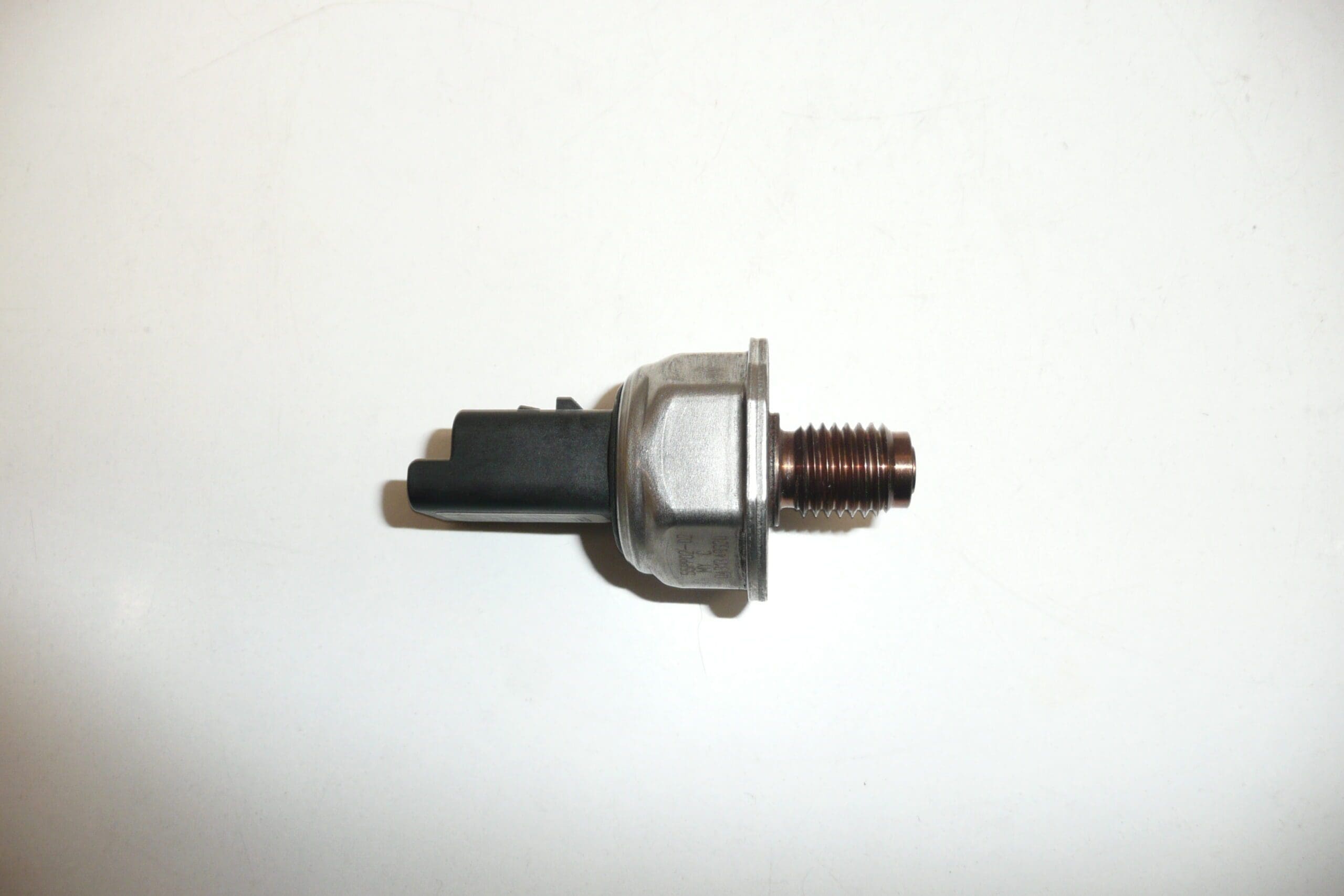
Fuel pressure sensor for Citroën Peugeot 1.4 HDi 1.6 HDi. High-pressure sensor on the common rail. Used part with a guarantee of functionality.
This high-pressure fuel rail sensor (rail pressure sensor) is designed for diesel Common Rail systems on Citroën and Peugeot vehicles equipped with 1.4 HDi or 1.6 HDi engines. The sensor continuously monitors rail pressure and sends a signal to the engine control unit (ECU), allowing precise fuel quantity control and optimal combustion. A correct-functioning sensor helps maintain smooth idle, good throttle response, efficient fuel consumption and low exhaust emissions. Ideal for professional workshops and experienced DIY mechanics who search by part number (e.g. 1920GW, 9653981180, 1570N5, 5WS40039).
Technical Information
- Manufacturer: Stellantis (Citroën / Peugeot)
- Model: Fits vehicles with 1.4 HDi and 1.6 HDi engines
- Product Codes: 1920GW
- Other Numbers: 9653981180, 1570N5, 5WS40039
Compatibility And Typical Applications
Compatible with a range of Citroën and Peugeot models that use the 1.4 HDi or 1.6 HDi Common Rail engines. Common examples include small and compact models such as C3, C4, Berlingo, 207, 307 and Partner depending on engine variant and production year. Always compare part numbers when ordering to ensure correct fitment.
How The Part Works
The rail pressure sensor measures the fuel pressure inside the high-pressure common rail and converts it into an electrical signal for the ECU. The ECU uses this information to calculate injector pulse width and to control the high-pressure pump. Accurate rail pressure feedback is essential for correct fuel metering, engine performance and emissions control.
Symptoms Of A Faulty Sensor
- Check Engine Light (fault codes such as P0190–P0193 may appear)
- Hard starting or difficulty cranking
- Rough idle, hesitation or reduced power under load
- Increased fuel consumption or black smoke from the exhaust
- Intermittent stalling or limp-home mode
Installation Recommendations
Work should be carried out by a qualified technician or an experienced DIYer with appropriate safety precautions. General replacement steps:
- Relieve fuel system pressure before any disconnection (follow workshop procedure).
- Disconnect the negative battery terminal to avoid accidental cranking.
- Clean the area around the sensor to prevent dirt entering the fuel system.
- Unplug the electrical connector and remove mounting fastener(s).
- Carefully unscrew and remove the sensor from the common rail; replace the sealing O-ring if present.
- Install the new sensor finger-tight, then tighten to the manufacturer’s torque specification (refer to the vehicle repair manual).
- Reconnect the electrical connector and battery, prime the fuel system if required, and check for leaks.
- Clear any stored fault codes and perform a test run to verify correct operation.
Why This Part Most Commonly Fails
Rail pressure sensors are exposed to high temperatures, vibration and contaminated fuel. The most frequent causes of failure are contamination from dirty fuel or particles, electrical connector corrosion or wiring damage, degraded internal electronics after long service life, and seal/O-ring failure leading to leakage. Poor fuel quality or lack of regular maintenance accelerates wear. Failures are more likely after extended mileage—often after 100,000 km—depending on vehicle use and maintenance history.
Notes For Buyers
This is a used part supplied with a guarantee of functionality. Verify the part numbers listed in the Technical Information section against your vehicle’s existing part to ensure compatibility. Inspect connectors and wiring during replacement to avoid repeat faults caused by harness issues.